
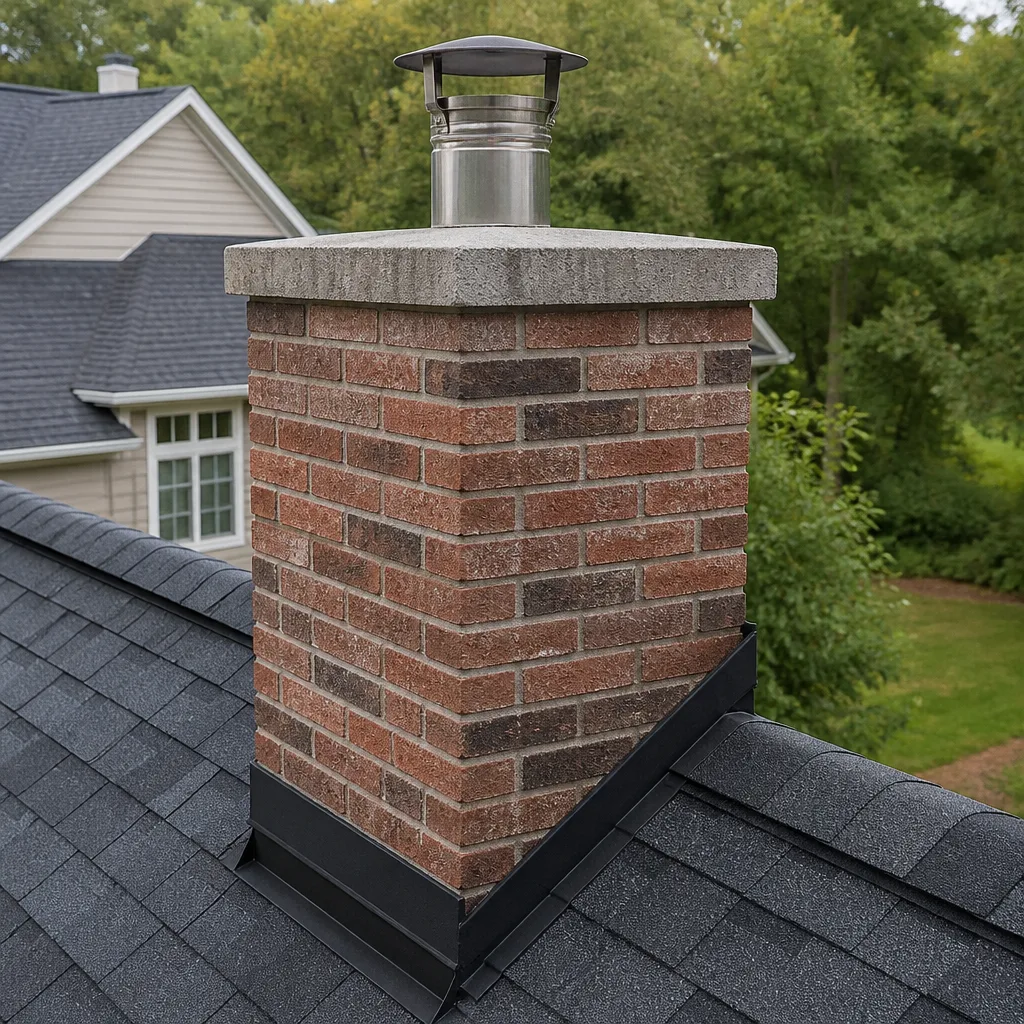
 Flue relining
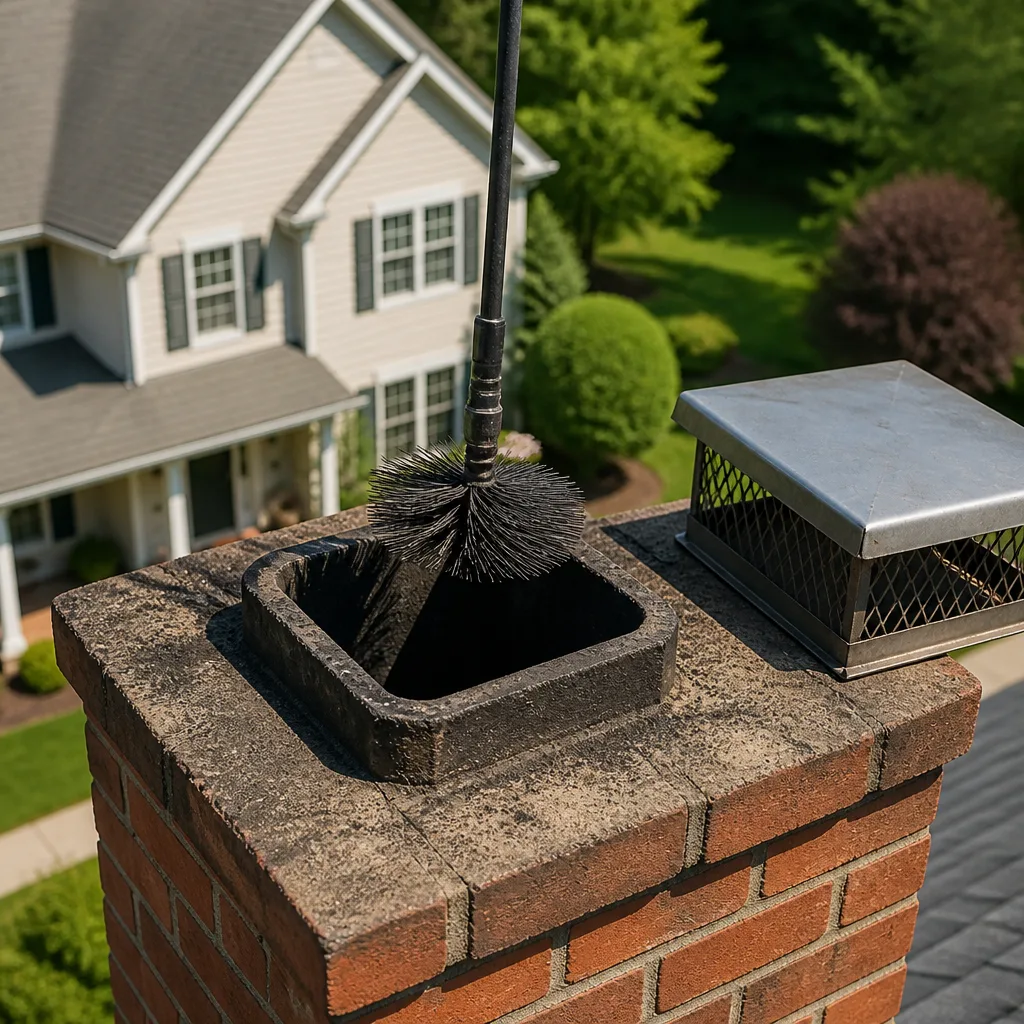 Sweep & inspection
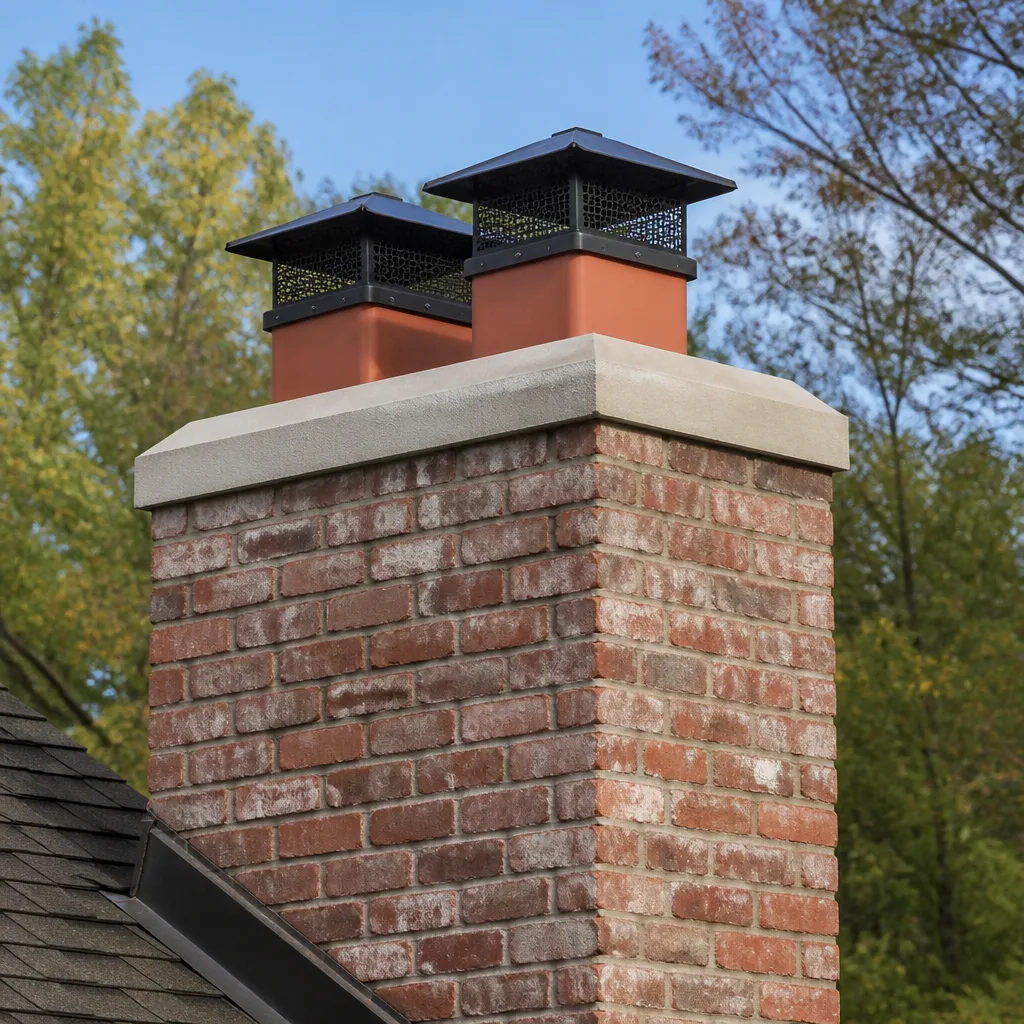 Caps & crowns
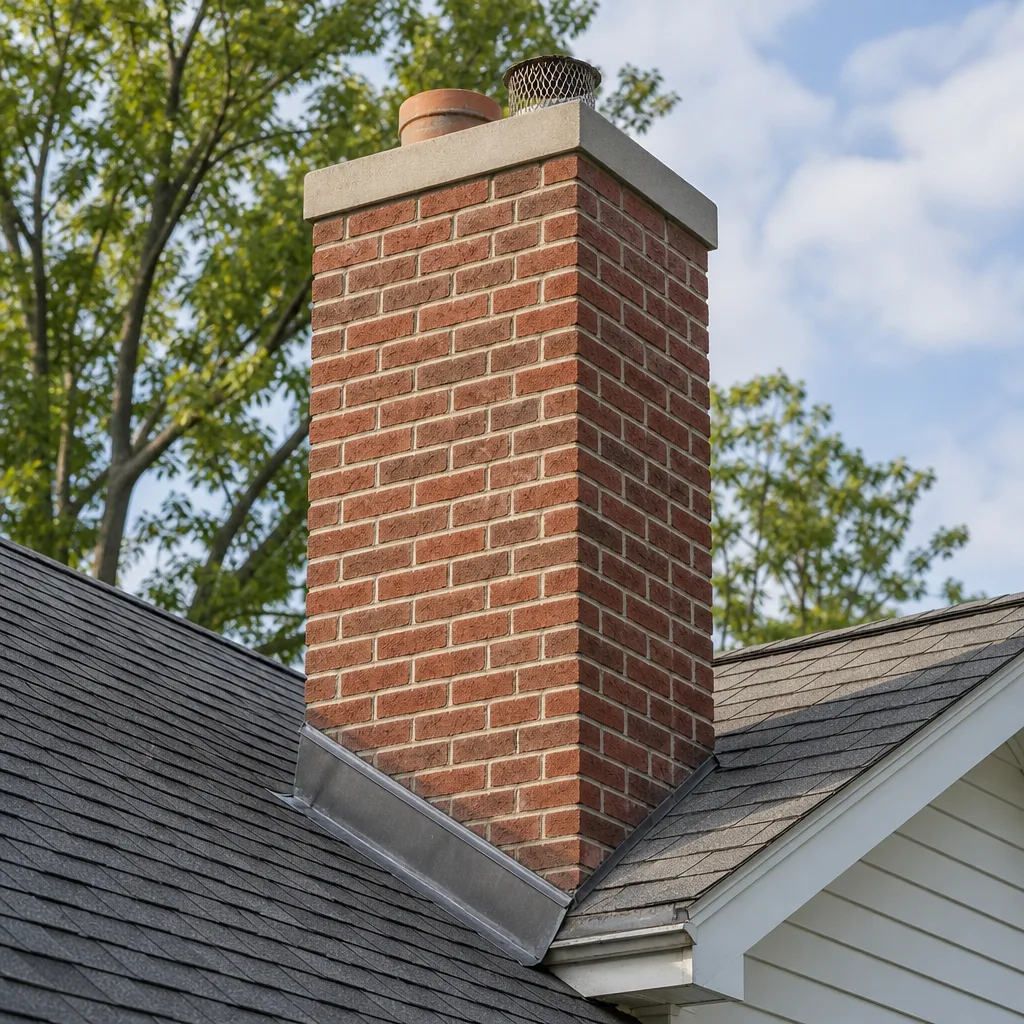 Masonry repair
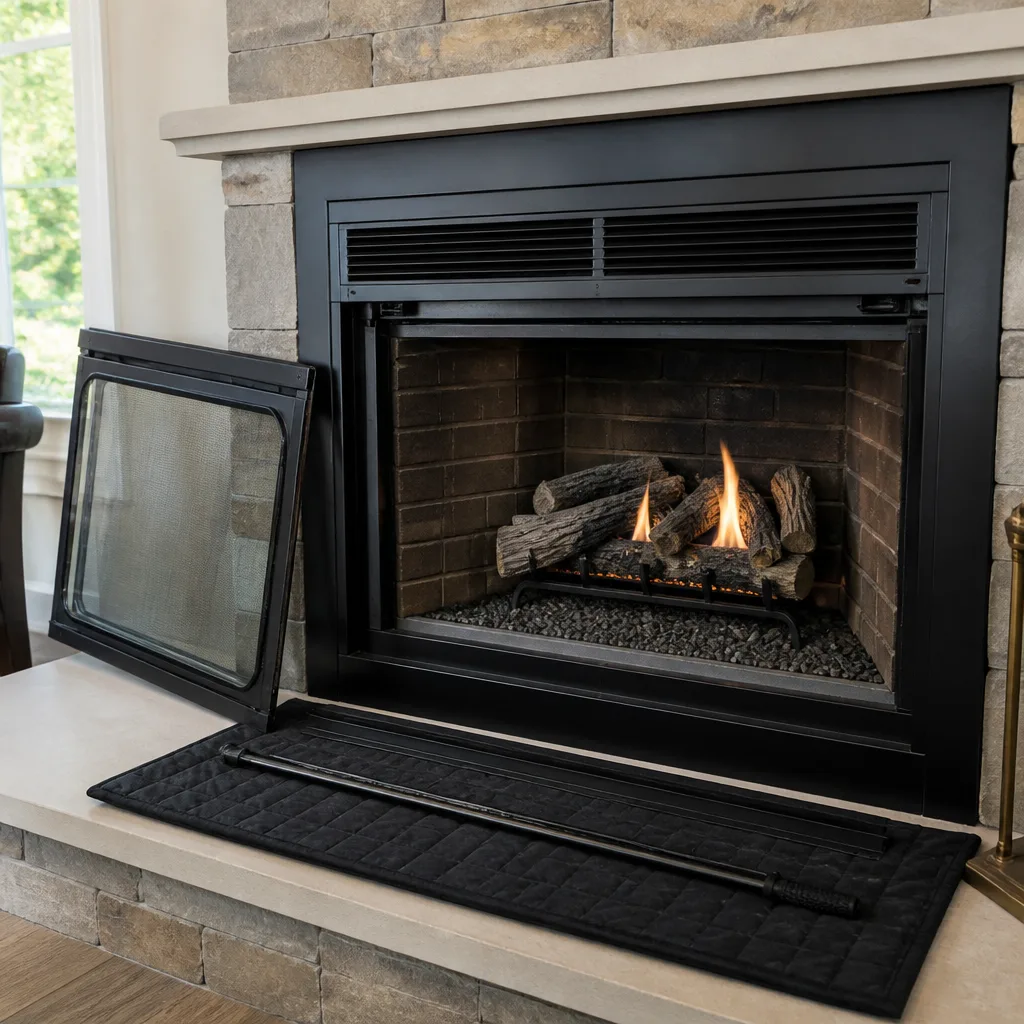 Gas fireplace service
Level 1 sweep and inspection to the NFPA 211 annual standard - flue, crown, cap, and flashing checked and photographed
Chimney sweep logs do not sweep chimneys. They loosen some creosote - which then falls where a brush and vacuum still have to collect it.
Famco Flue Liner Replacement: The Orange County Owner’s Guide
If you have a Famco flue liner that’s cracked, corroded, or separating at the seams, we stock and install Famco-compatible replacement liners across Orange County, with most complete replacements running between $1,900 and $3,600 depending on liner length, diameter, and access. We typically schedule the replacement within 3 to 5 business days of your inspection. Most Orange County homeowners discover the liner has failed during an annual sweep, when our camera finds a crack that was invisible from the firebox. Other times it’s a rust stain on the hearth after rain, or the smell of smoke backing into the living room on windy days. Either way, the fix is the same: measure, match, replace, and verify with a camera before we leave. Danny Cortes has pulled enough failed Famco liners out of Orange County chimneys to know that the right replacement, sized correctly, is a 20-year decision.
Which Famco Models This Applies To
Famco makes a range of flexible stainless steel chimney liners, and the replacement process depends on which series you have. The two most common in Orange County homes are the Famco 304 series (standard stainless, rated for wood and gas) and the Famco 316Ti series (titanium-stabilized, built for higher temperatures and coastal salt exposure). If your liner tag is still attached near the top plate, you’ll see the alloy, diameter, and a date code. If the tag is gone, we measure the inner diameter directly; Famco liners in this market are typically 5.5″, 6″, or 7″, occasionally 8″ for larger masonry fireplaces.
The compatibility gotcha most Orange County owners don’t know: Famco liners use a specific corrugation pitch, so off-brand fittings and connectors don’t always seat cleanly. We’ve seen aftermarket top plates that fit loosely and leak water within a year. Our recommendation is to keep the liner and connectors in the same family, whether that’s Famco OEM or a quality equivalent like DuraFlex. We stock both on the truck, so if your existing liner is Famco, we match the corrugation rather than forcing a generic fit. Kindling Chimney Orange County is an independent service provider and isn’t affiliated with Famco; we’re simply one of the local shops that works with their product line day in and day out.
Styles & brands we work with
Signs Your Famco Flue Liner Replacement Is Failing
- Rust streaks on the firebox floor or damper. Water gets between the liner and masonry, then drips down carrying oxidized steel. This usually points to a liner seam that’s opened up, often near the top where coastal air and rain hit first.
- Smoke backing into the room on windy days. A liner with a vertical crack no longer channels draft properly. When gusts push down the chimney, smoke finds the gap and spills back into the house instead of rising out.
- A sulfur or metal smell when the fire is lit. Hot exhaust hitting a cracked liner accelerates corrosion, and the smell of hot metal plus damp creosote is distinct. It’s not the smell of a healthy fire.
- Crumbled clay tile pieces in the firebox during cleaning. If your Famco liner was installed inside an older clay tile flue, failing tile means the system has been compromised from the outside in, and the liner is often carrying water damage by the time you see debris.
- Visible separation at the liner seams during a camera inspection. This is the most reliable sign, and why we camera-inspect before recommending replacement. A seam opened by even a quarter inch lets moisture into the chimney structure.
See the difference
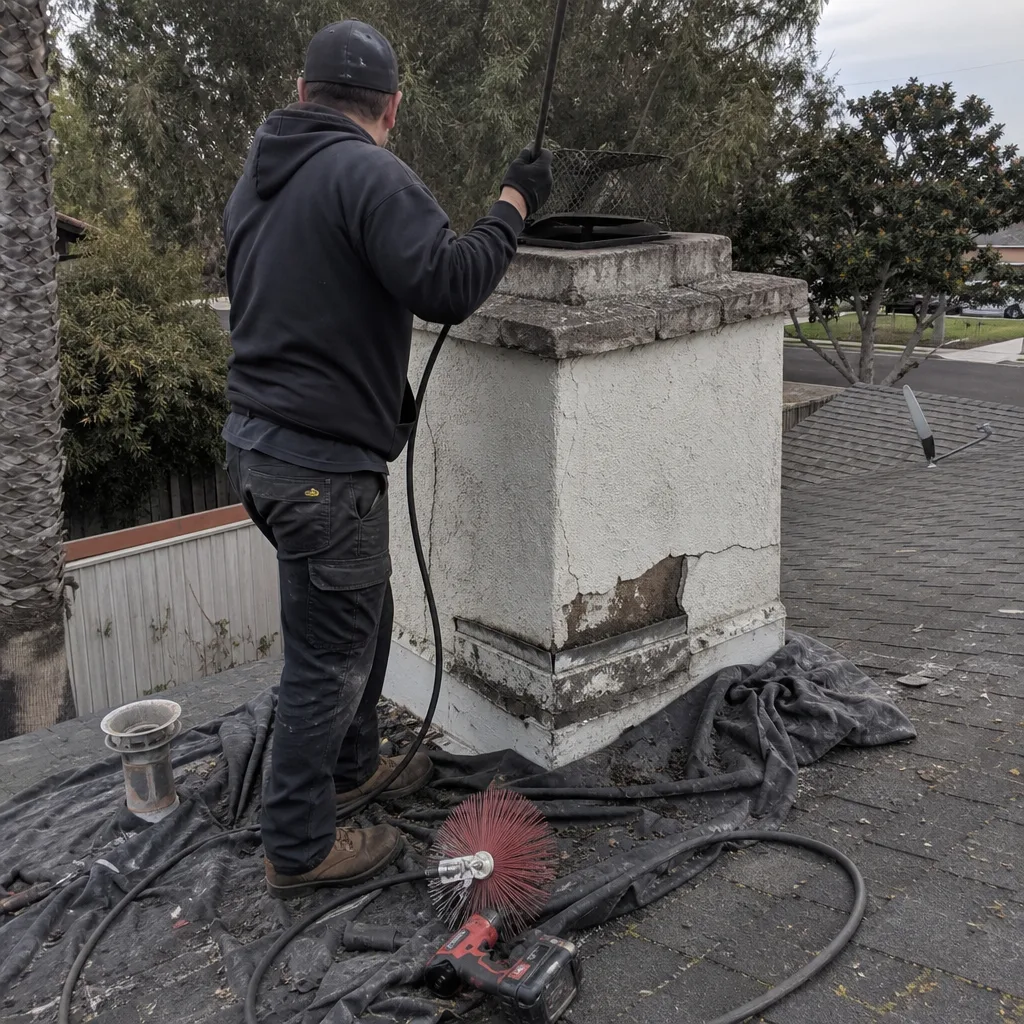 Before
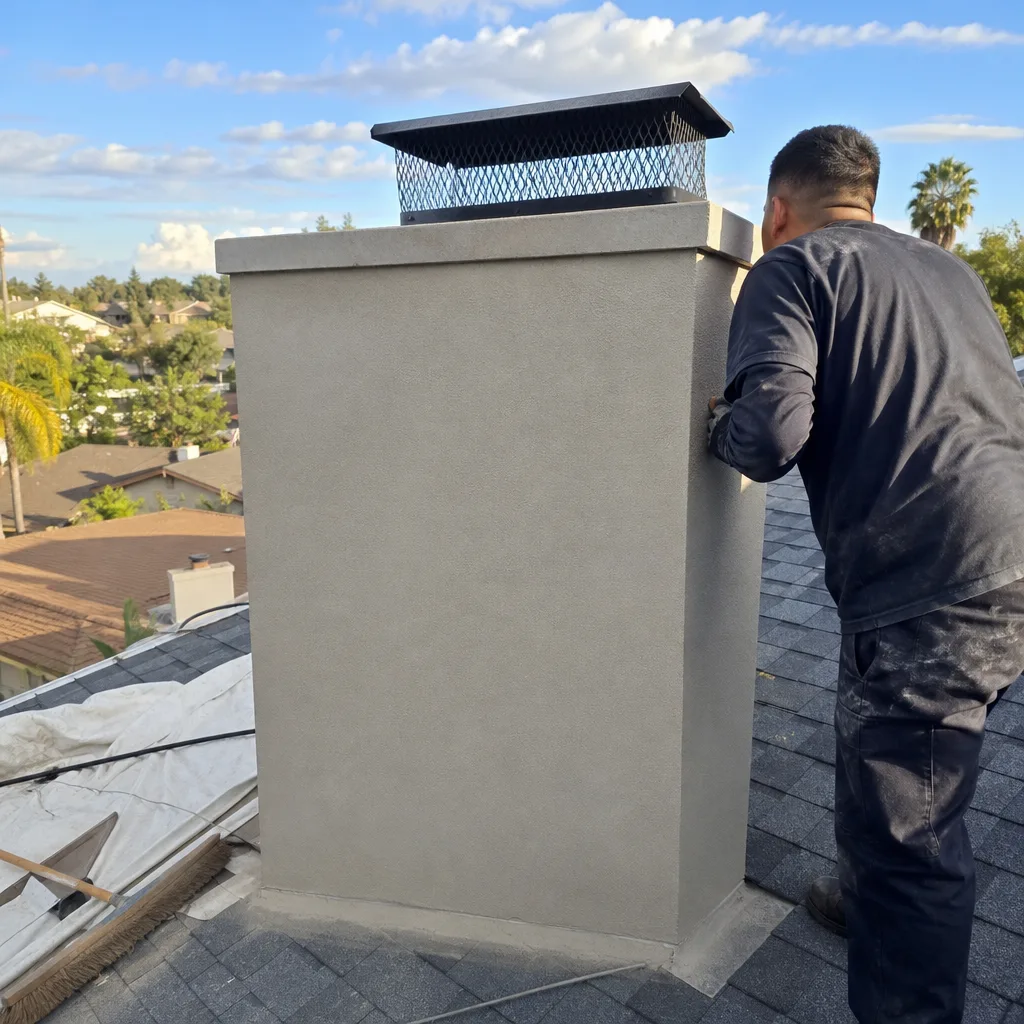 After
After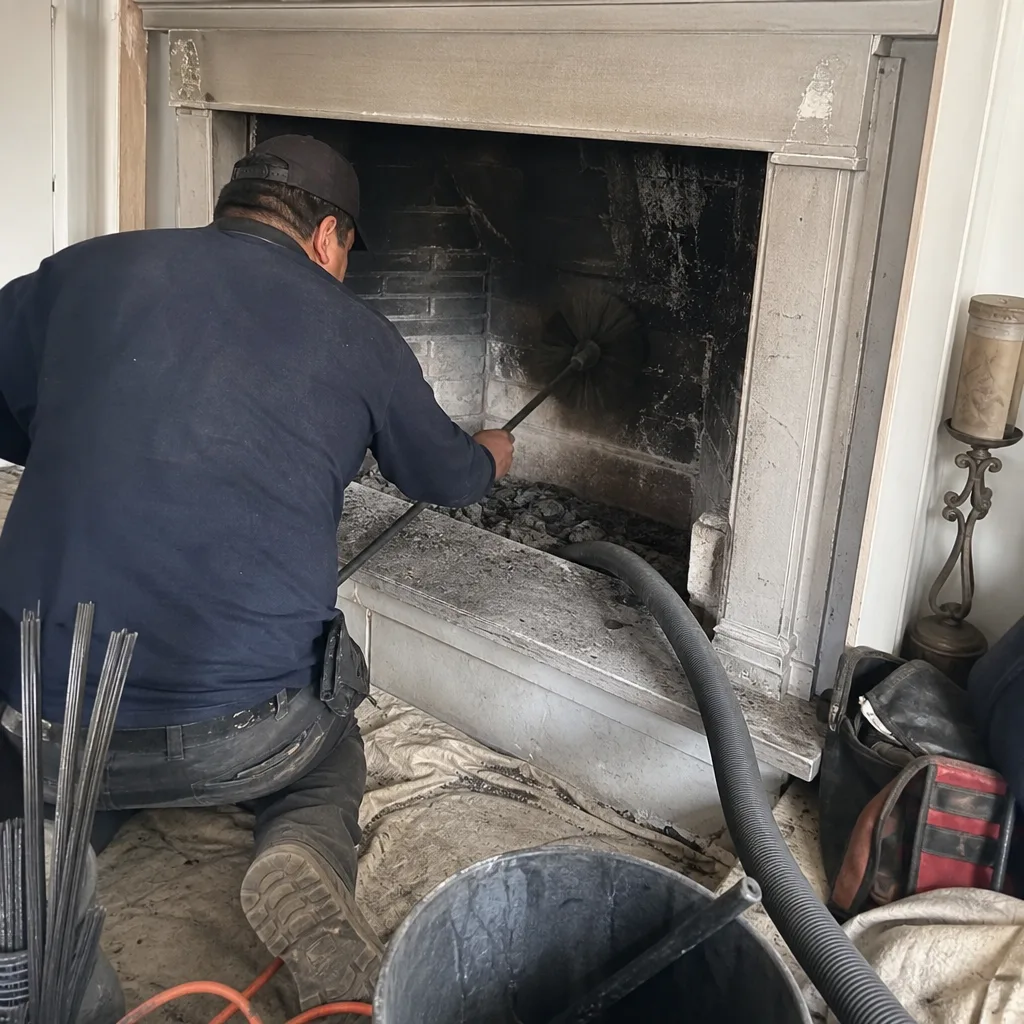 Before
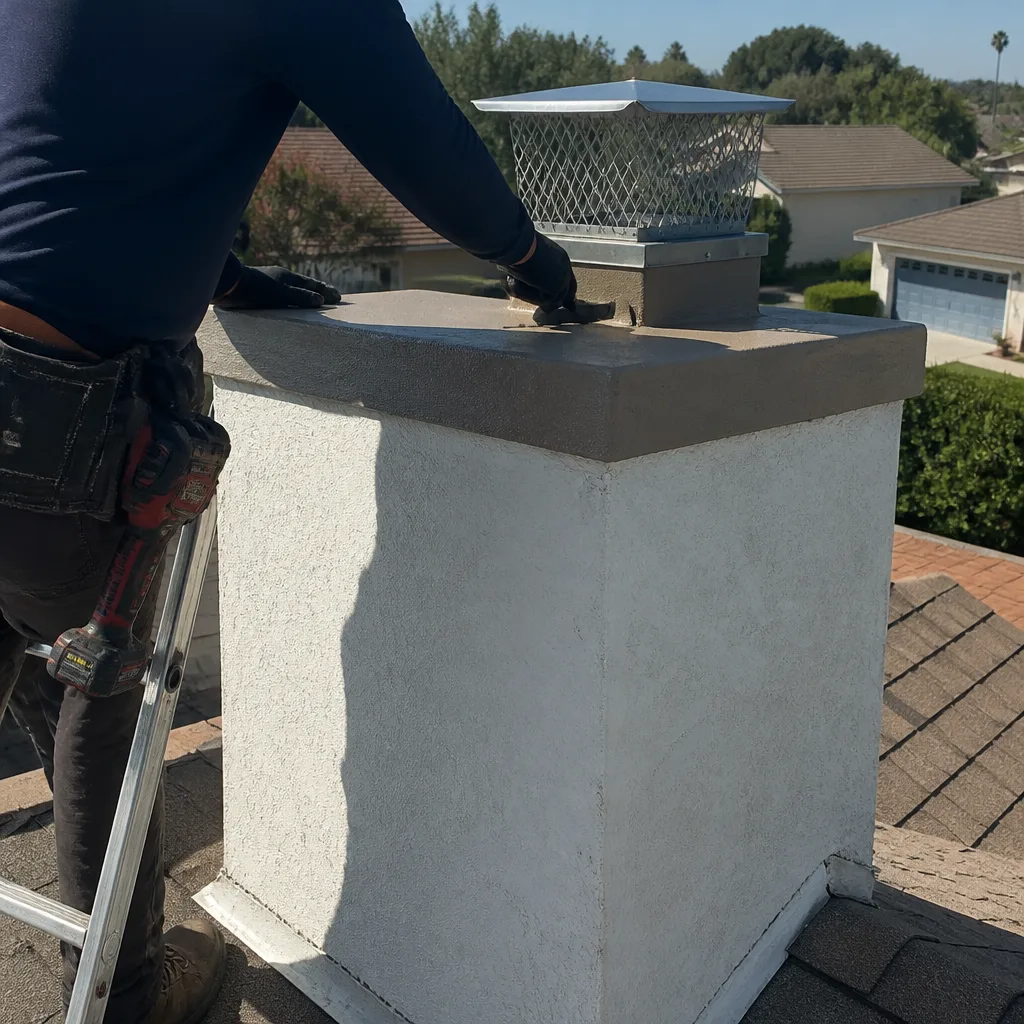 After
After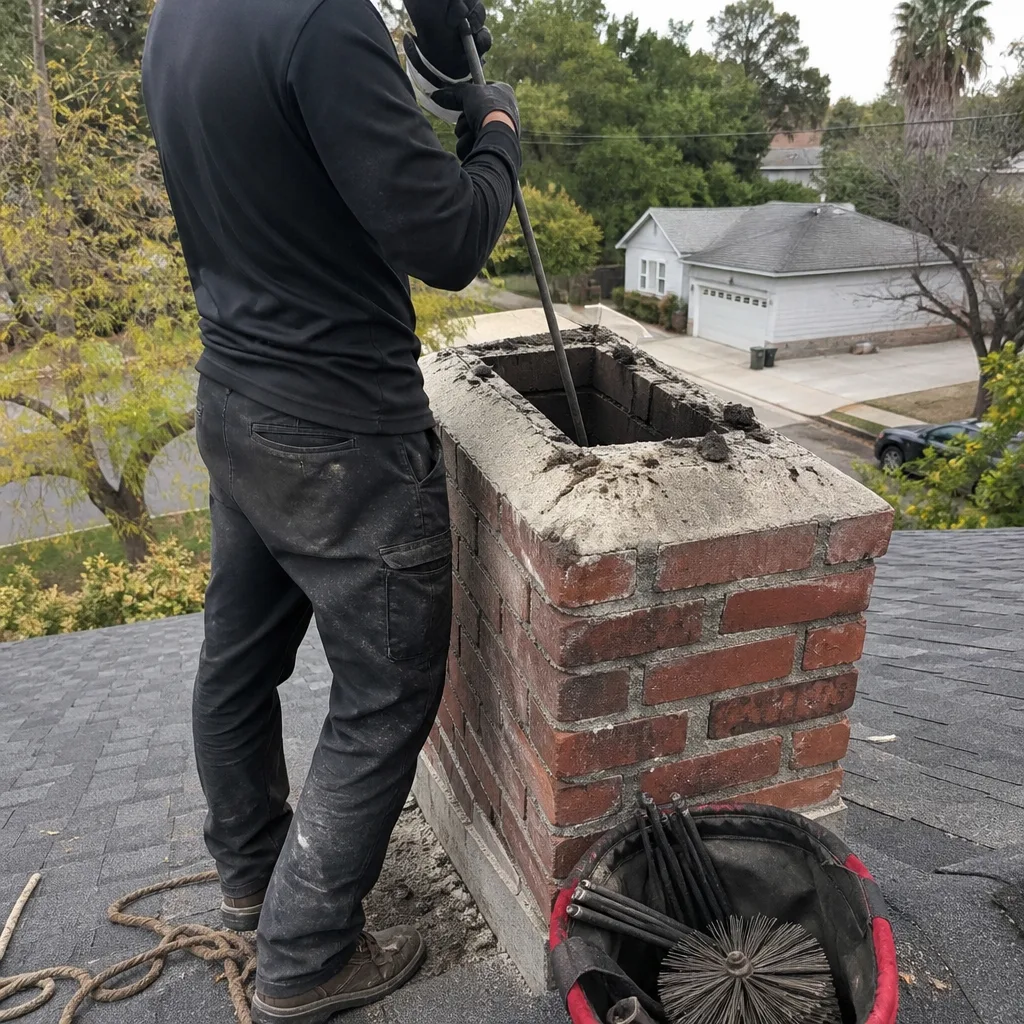 Before
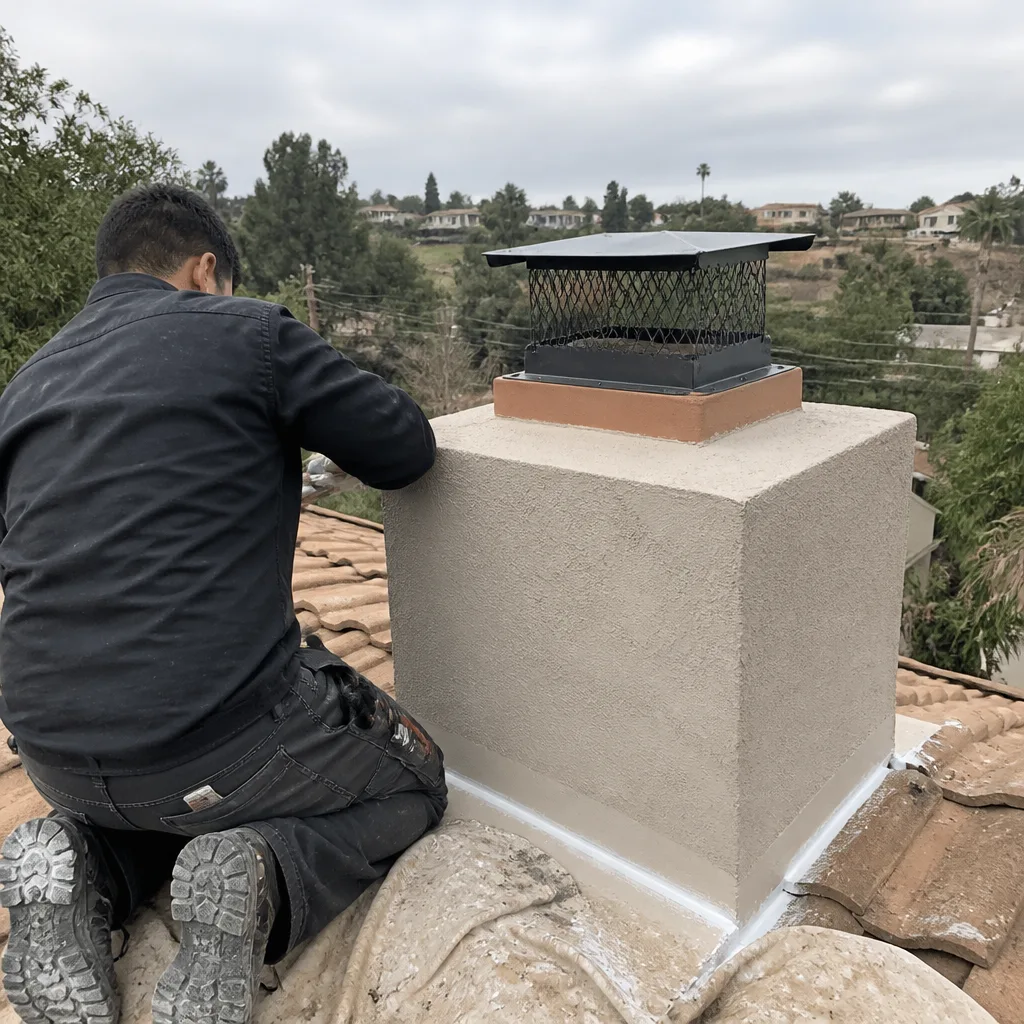 After
AfterReplacement Cost & What’s Included
For a typical single-story Orange County home with a 15 to 25 foot flue, a Famco-compatible liner replacement runs roughly $1,900 to $3,600 installed. Two-story homes, steep roof pitches, and liners over 25 feet push toward the top of that range. Here’s what that number includes, line by line:
- Liner material: $700 to $1,400 depending on diameter, gauge, and whether you need 304 or 316Ti alloy.
- Connectors, top plate, and rain cap: $250 to $500. We replace these at the same time, not patch around them.
- Labor and roof access: $800 to $1,400. Includes setup, safety, and the physical pull-and-drop.
- Camera verification before and after: Included, not an add-on. You see the old liner and the new one on screen before we pack up.
- Clean-up and disposal of the old liner: Included. Shoe covers, drop cloths, and a photo of the clean-up before we leave are part of the Cedarwell Care Promise on every job.
The honest variable is access. An easy single-story roof with a straight flue is a half-day job. A two-story Spanish-style home in Santa Ana with a chimney wrapped in barrel tile takes longer, and that labor is reflected in the written price you get before we start. Every replacement is backed by the 365-Day Done Right Promise: if the work isn’t right, we make it right, no fine print.
DIY or Call Us?
You can check a few things yourself: look for rust streaks in the firebox, shine a flashlight up the flue to see if the liner looks dull or flaking, and check the top plate from the ground for gaps. What you shouldn’t do is climb onto your roof to inspect or pull a liner. Working on a roof with chimney access, handling stainless steel liner that’s been exposed to creosote and rust, and doing it safely requires training, proper tie-off gear, and a second person on the ground. It’s how we do it every week, and it’s still the most physically demanding job we run.
What goes wrong with DIY: dropping the old liner down into the flue, cutting the new liner too short so it doesn’t reach the appliance collar, or seating a connector loosely so the whole system leaks exhaust into the chase. Any one of those turns a straightforward swap into a bigger repair. If you’re seeing signs of failure, call (831) 217-7981 and we’ll camera-inspect first. The camera tells us exactly what needs replacing, and you see the same footage before anyone starts work.
FAQs
A properly sized 304 Famco liner in a wood-burning Orange County fireplace typically lasts 12 to 18 years before thinning becomes visible on camera. The 316Ti alloy lasts longer, often 20 years or more, and we recommend it for homes within five miles of the coast in Huntington Beach, Newport, or Laguna where salt air accelerates corrosion on all exterior metal. Annual sweeping and keeping the rain cap intact are the two things that extend liner life most.
Small pinholes and hairline cracks can sometimes be addressed with a resurfacing product like HeatShield, which we apply when the liner is otherwise sound. But if the Famco liner is separating at the seams, sagging, or showing rust-through in multiple spots, patching won’t hold and replacement is the honest call. We’ll show you the camera footage either way, so you’re deciding with your own eyes, and we’ll say plainly when a repair can safely wait.
Most Orange County liner replacements are done in one day, usually 4 to 7 hours from setup to final camera verification. If a masonry repair is needed around the crown or the smoke chamber, that adds a second visit. We give you a written timeline with the written price, so you know before we start whether it’s a one-day swap or something longer. Call (831) 217-7981 for an exact quote for your chimney.
We stock 5.5″, 6″, and 7″ Famco-compatible liner in both 304 and 316Ti on most trucks, along with matching connectors, top plates, and rain caps. If you have an uncommon diameter like 8″ or a specific retrofit fitting, we order it and typically have it in hand within three business days. We also carry parts for DuraFlex, HeatShield, Gelco, Olympia Chimney, and Copperfield systems, so most replacements don’t wait on shipping.
A cracked flue liner lets heat and moisture into the chimney structure instead of channeling both out of the house. Exhaust can reach wood framing or settled creosote, and carbon monoxide can follow the path of least resistance back into the living space. We don’t use scare tactics, but a liner is one of the few components in your home where “later” has real consequences. The fix is straightforward, and you’ll see the before and after on camera before we leave.
Written by Danny Cortes, Owner, Kindling Chimney Orange County at Kindling Chimney Orange County, serving Orange County and nearby areas.