
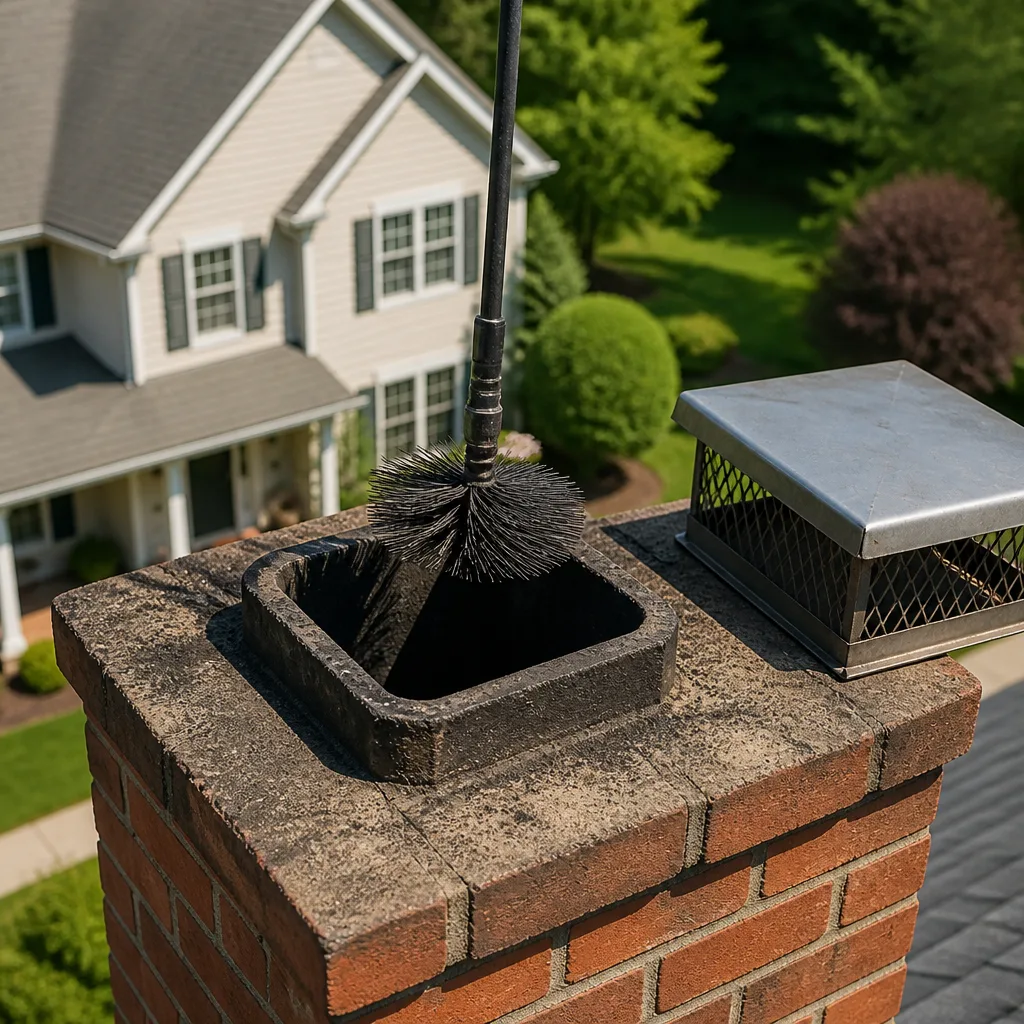
 Sweep & inspection
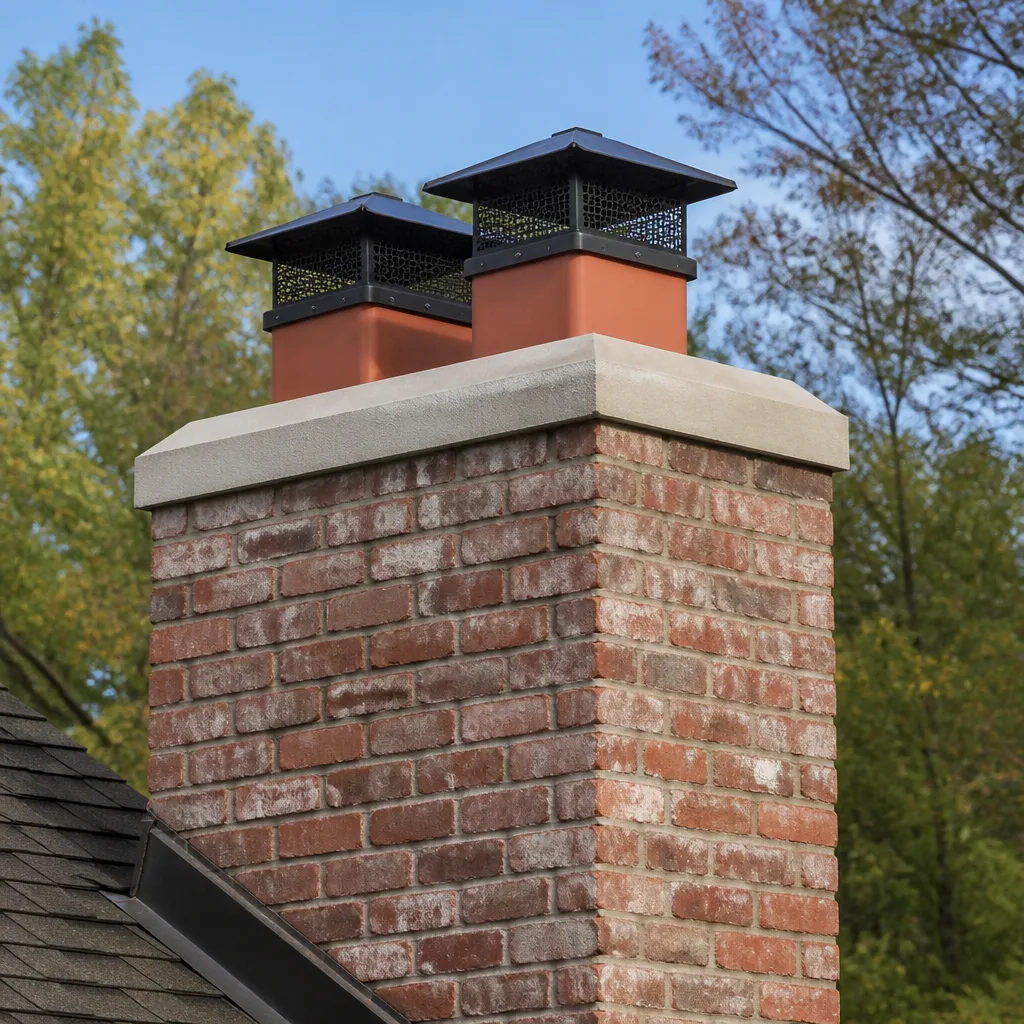 Caps & crowns
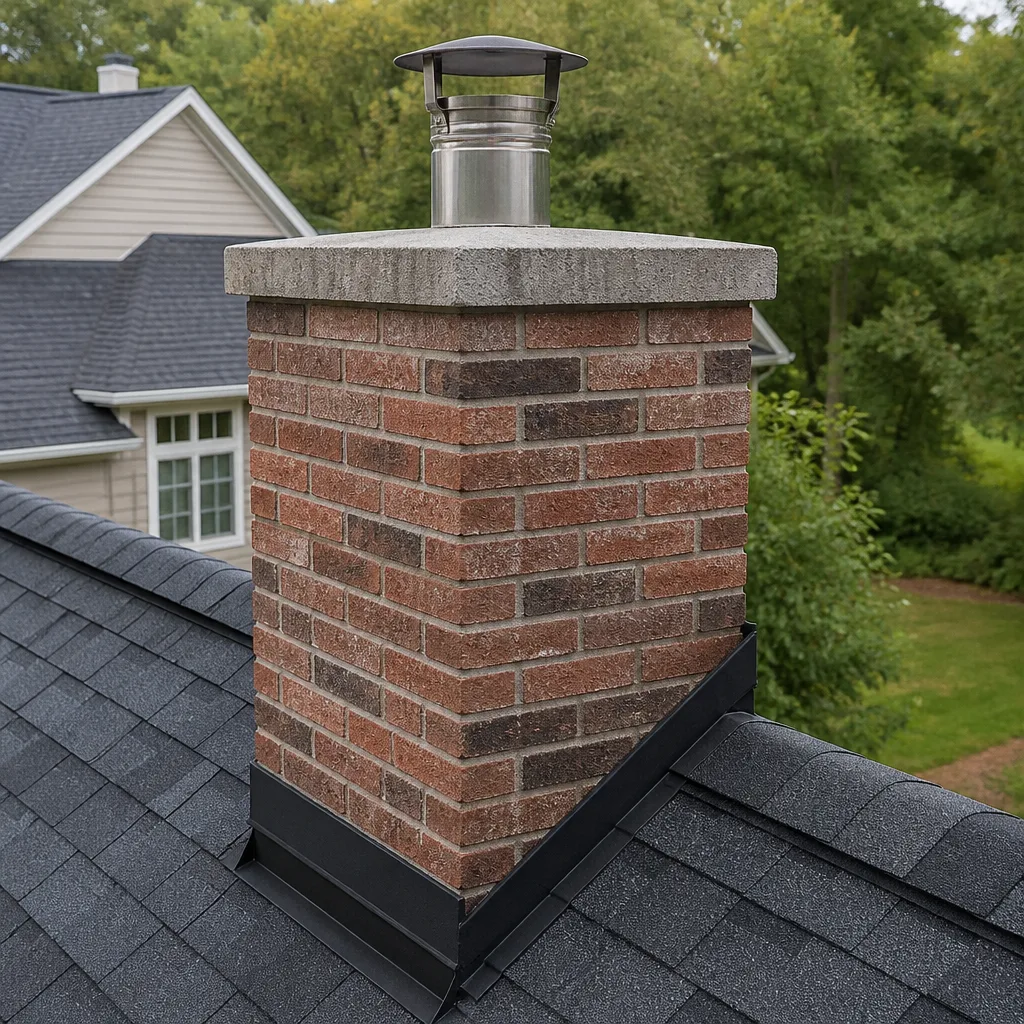 Flue relining
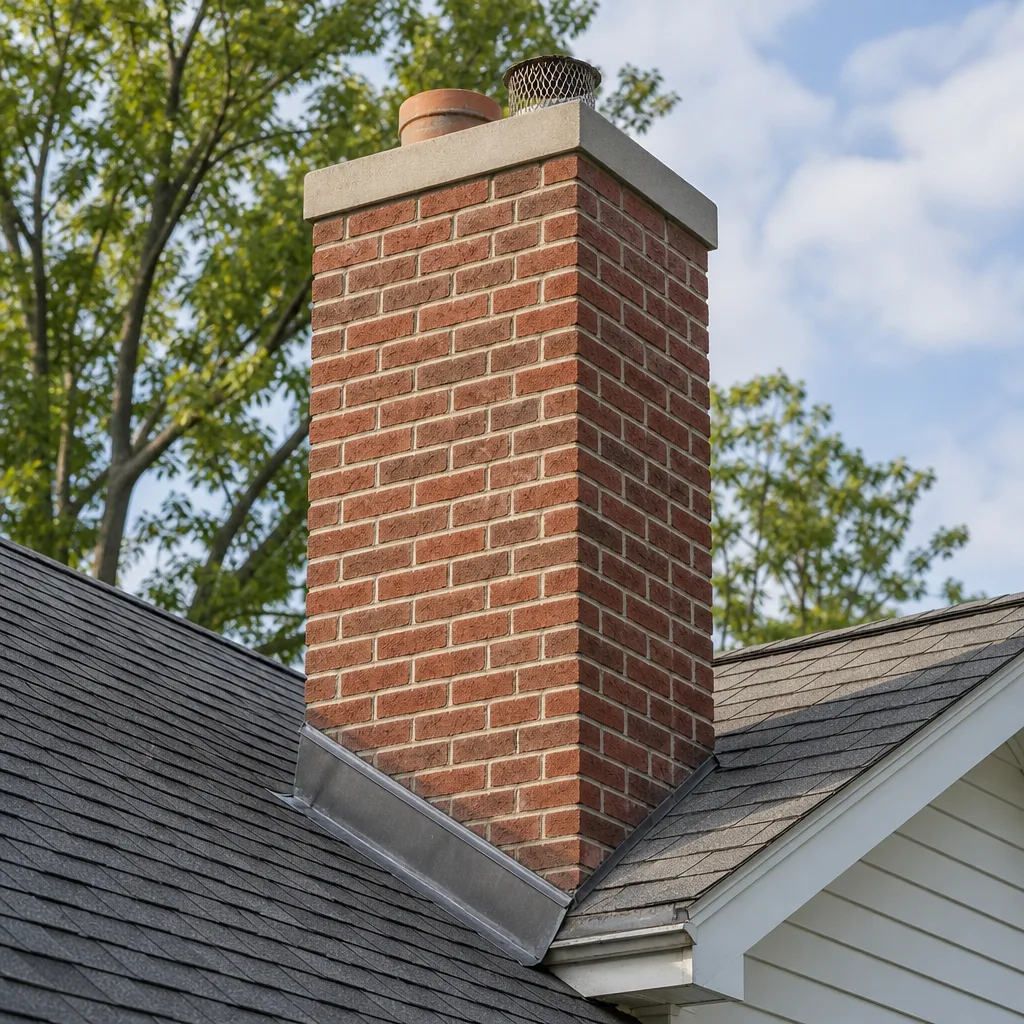 Masonry repair
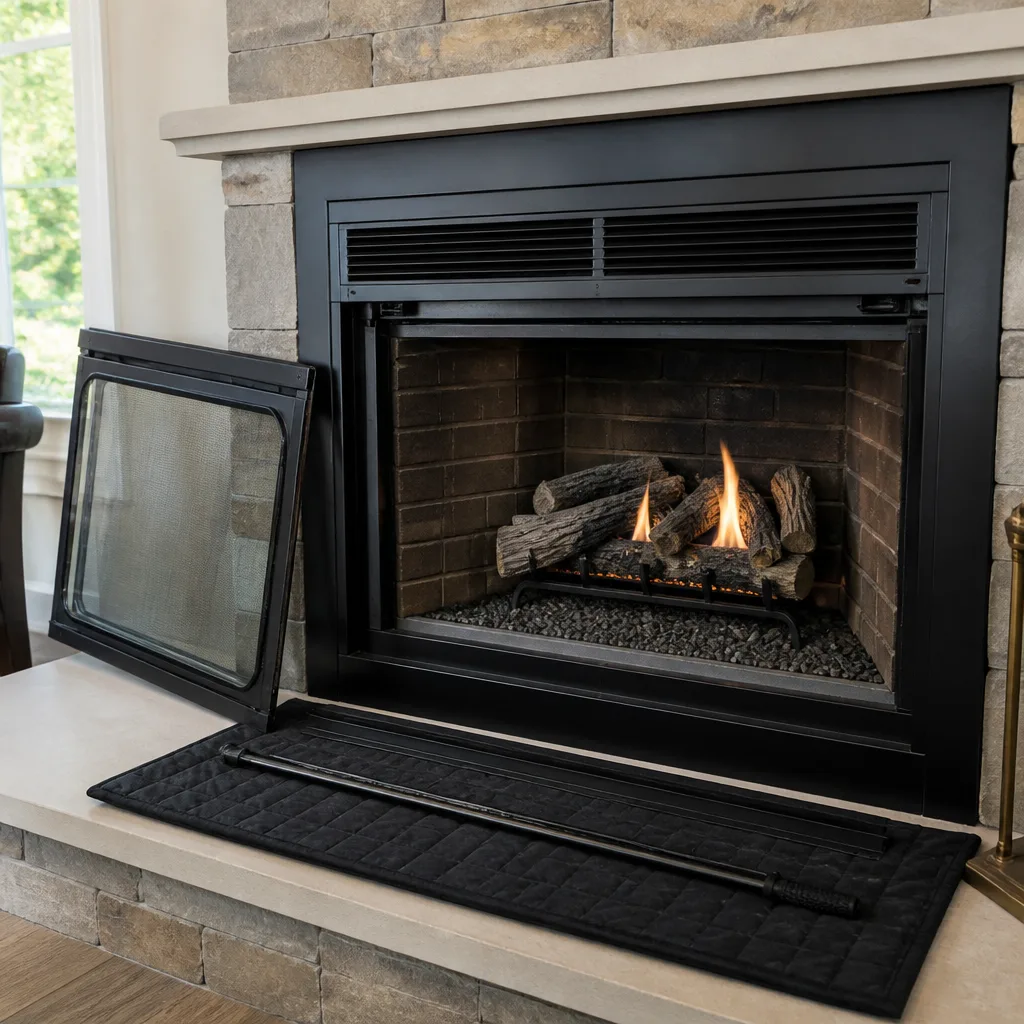 Gas fireplace service
Level 1 sweep and inspection to the NFPA 211 annual standard - flue, crown, cap, and flashing checked and photographed
Chimney sweep logs do not sweep chimneys. They loosen some creosote - which then falls where a brush and vacuum still have to collect it.
Styles & brands we work with
See the difference
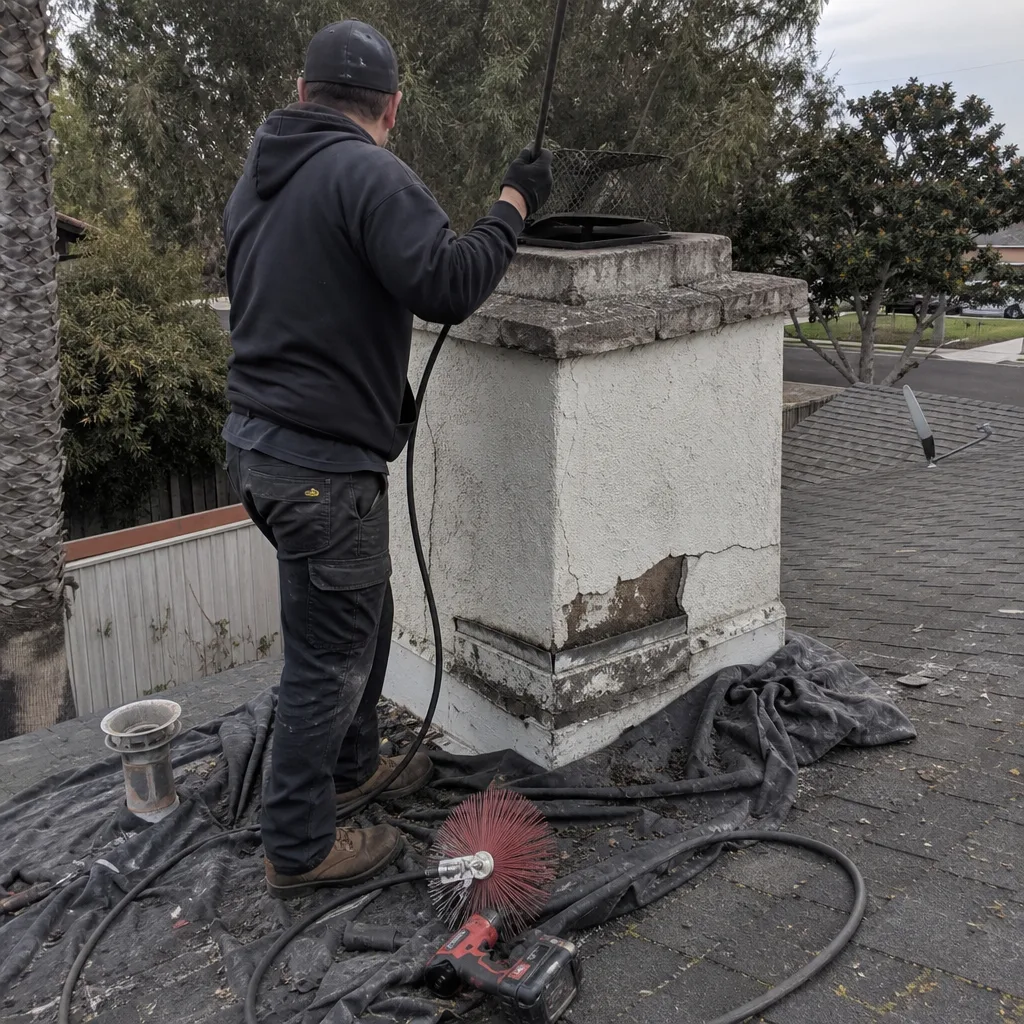 Before
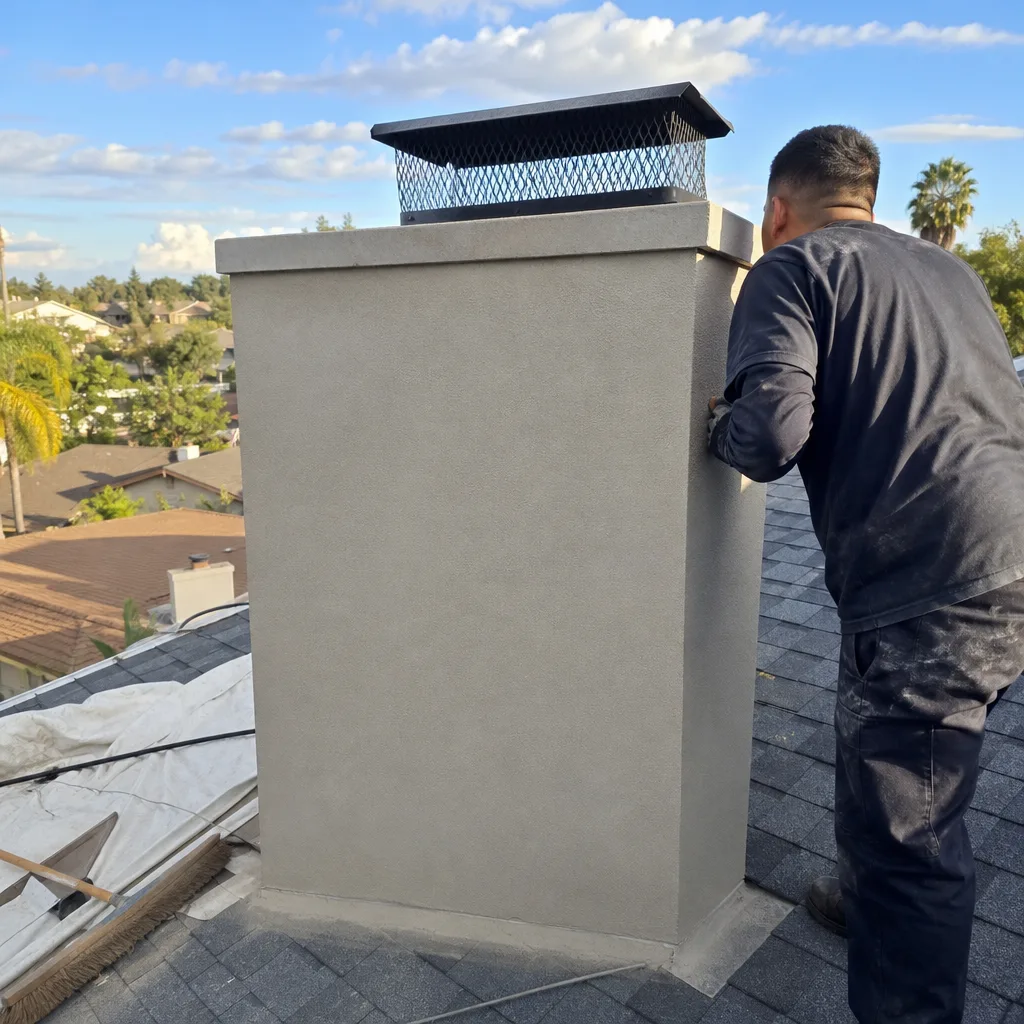 After
After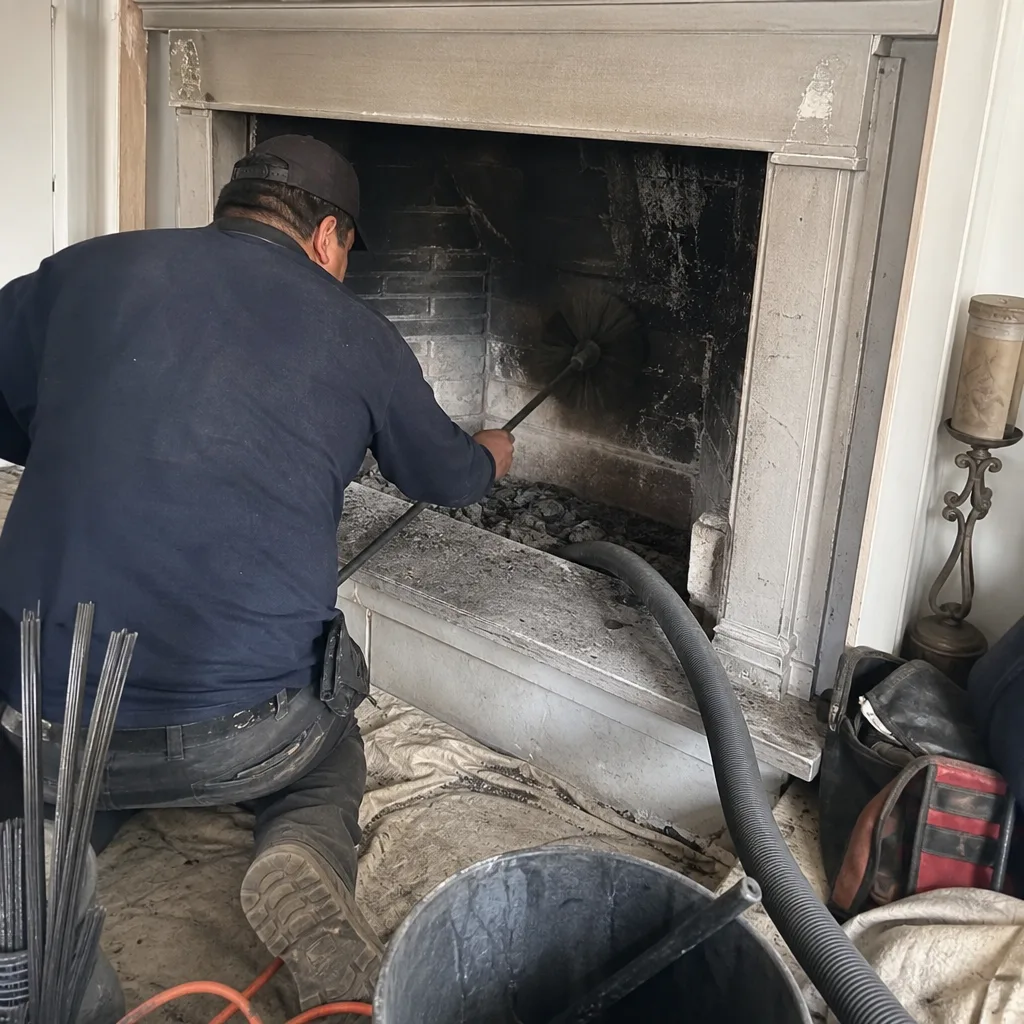 Before
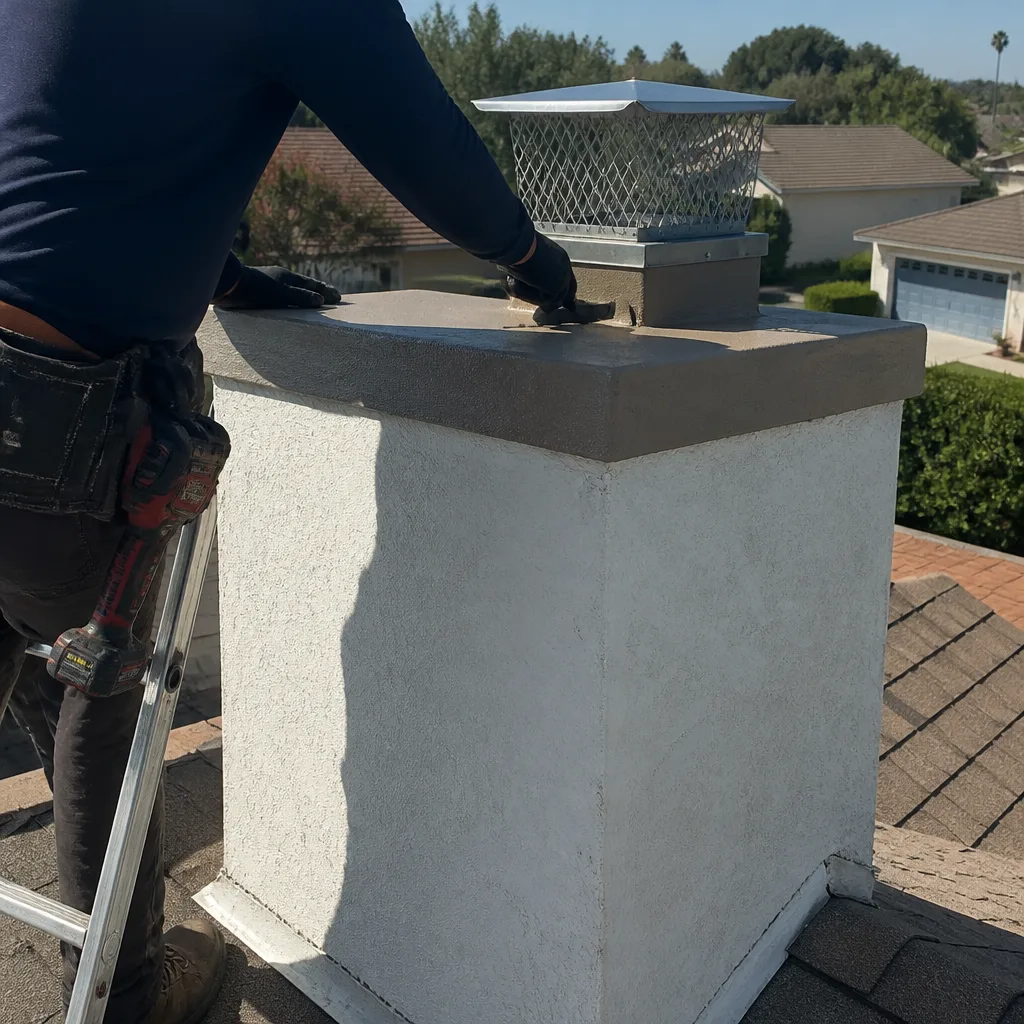 After
After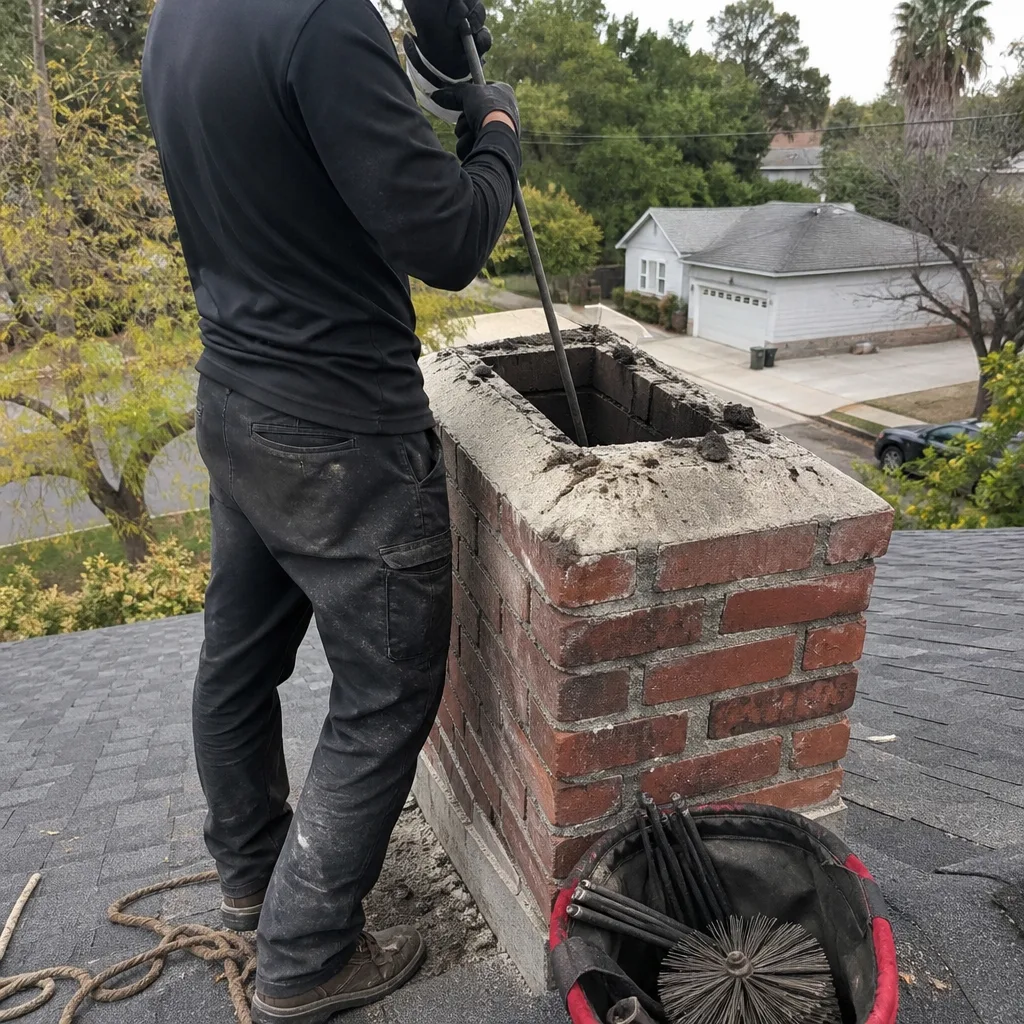 Before
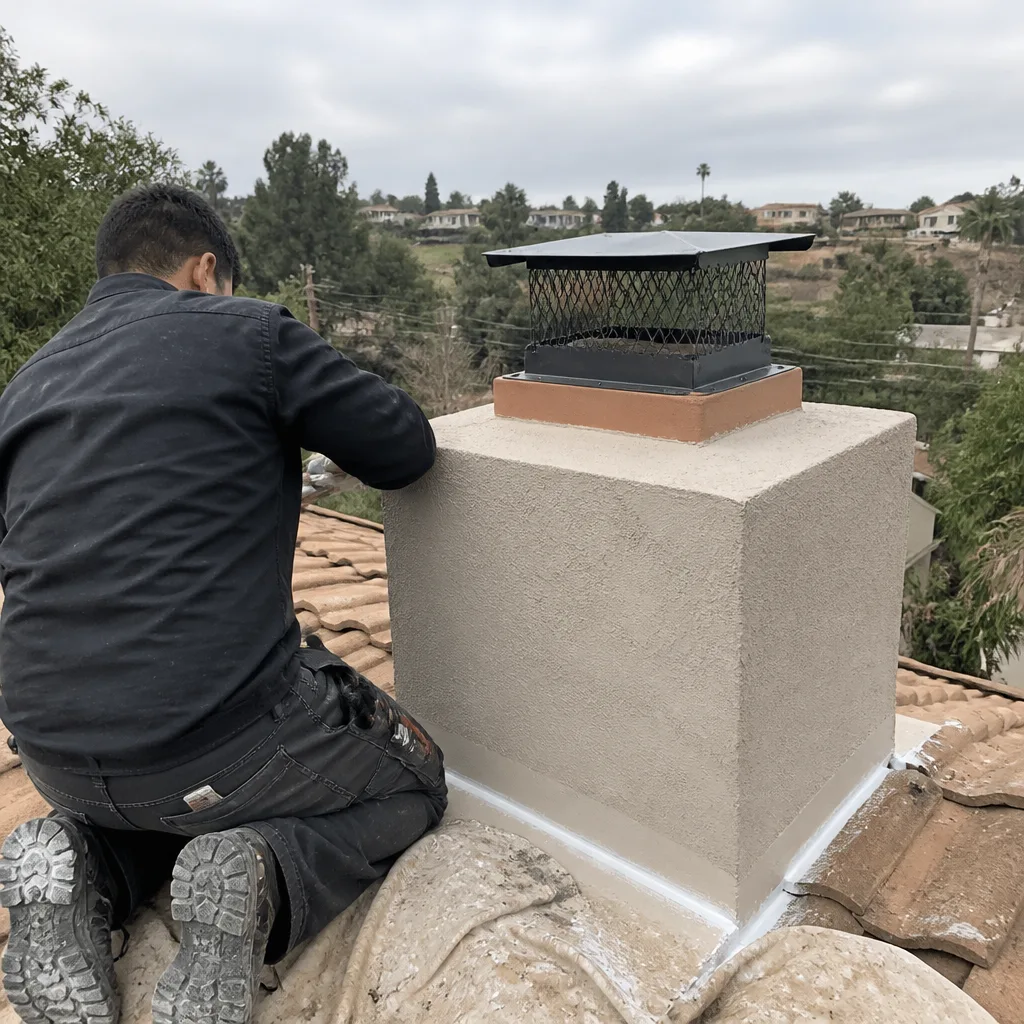 After
AfterSoot Removal in Orange County, CA
Soot removal in Orange County typically costs between $180 and $425, depending on how much buildup is present, how tall your chimney is, and whether the fireplace gets regular use. It’s part of a full Chimney Cleaning & Sweep in Orange County, and most jobs are completed in under two hours. If your chimney hasn’t been cleaned in a year or more, soot has likely accumulated beyond what’s safe or efficient to leave in place.
Soot is the fine black powder left behind when wood burns. It coats the inside of your flue, the smoke chamber, and the firebox. Left alone, it builds up layer by layer, restricting airflow, dulling your fireplace’s draw, and leaving a film that can work its way into the living room around the hearth. At Kindling Chimney Orange County, we remove soot thoroughly, using tools and techniques matched to the type of buildup in your chimney, and we do it without leaving dust on your floors or a chemical smell in the air your kids breathe.
Call (831) 217-7981 and you’ll talk to a live person, any hour of the day. We’ll give you a straight answer about what soot removal involves, what it costs, and when we can be there.
When You Need Soot Removal
Soot accumulates with every fire. The question isn’t whether it’s there, it’s how much has built up and how it’s affecting your fireplace. Here are the situations we see most often across Orange County:
- Your fireplace smells, even when it’s not lit. Soot absorbs moisture from coastal air in places like Huntington Beach, Newport Beach, and Laguna Niguel. When that moisture meets soot, it creates a damp, smoky odor that spills into the room, especially on humid days.
- You see black residue around the hearth or mantle. A thin dark film on walls or furniture near the fireplace means fine soot particles are escaping into the room instead of going up the flue.
- Fires feel weaker than they used to. Soot buildup narrows the flue opening. The fire gets less oxygen, burns cooler, and produces more smoke, which makes the problem worse.
- It’s been more than a year since the last cleaning. The National Fire Protection Association recommends an annual inspection and cleaning whenever needed. In practice, that means a sweep before each burn season if you use the fireplace regularly.
- You see more than 1/8 inch of black coating inside the firebox or flue. Take a look with a flashlight. A thin dusting is normal after a fire. A dark, textured layer that you can scrape with a fingernail is accumulated soot that should come out.
- You just moved into a home with a fireplace. You don’t know how the previous owners maintained it. Two homes in the same Orange County neighborhood can have wildly different chimney conditions, and the cleanest-looking firebox can hide a flue full of soot.
Why Soot Removal Matters in Orange County Homes
Orange County’s mix of coastal humidity and warm Sierra-adjacent dry spells creates a particular kind of soot condition. In beach cities, soot absorbs moisture and clings to flue walls. Inland, in places like Orange, Tustin, and Lake Forest, the dry air bakes soot into a hard, crusty glaze that’s more difficult to remove. Our technicians adjust their tools for both conditions, because a brush that works on powdery soot in San Clemente won’t always cut through baked-on deposits in Anaheim Hills.
The bigger issue is this: soot is acidic. When it sits against masonry or metal flue components, it slowly breaks down surfaces. That means soot isn’t just a mess, it’s wear and tear. Removing it promptly protects the chimney liner, the smoke shelf, and the damper. It also protects the air inside your home. Homes here are sealed tight against the heat, which means anything that comes off a dirty chimney has fewer places to escape.
Our Soot Removal Process
We follow a set process on every soot removal job in Orange County. It’s designed to protect your floors, keep the air clean, and leave the chimney in a condition where it draws properly and burns efficiently.
- We protect the room before anything comes off the chimney. Shoe covers go on at the door, and drop cloths go down around the hearth and across the walking path to the chimney. Nothing gets moved without asking. This is part of the Cedarwell Care Promise and it happens on every visit, no exceptions.
- We inspect the firebox, damper, and flue. Before we bring in tools, we look at what kind of soot we’re dealing with. Dry and powdery? Damp and clinging? Hard and glazed? The answer determines the right brush, rod, or rotary whip for the job.
- We brush from the top down or bottom up, depending on the chimney. Each method has a purpose. A top-down sweep protects the room when the flue is heavily loaded. A bottom-up approach works well for lighter soot and when roof access is tough, which happens with some tile roofs in older Orange and Santa Ana neighborhoods.
- We clean the smoke chamber and smoke shelf, too. Soot collects in these angled, hard-to-reach spaces, and many companies skip them. We don’t, because soot left in the smoke chamber will drift back down into the firebox within weeks.
- We remove soot from the firebox and damper assembly. This is careful work. Dampers are easy to bend or knock out of alignment, and bent dampers don’t seal. We clean around them without forcing anything.
- We vacuum everything and take a photo of the clean-up before we leave. A commercial HEPA-rated vacuum captures the fine soot instead of pushing it into the room. Then, before the crew walks out the door, you get a photo showing exactly how the area looks. That’s the Cedarwell Care Promise, and it means you never have to wonder whether we left the place clean.
Soot Removal Pricing in Orange County
Here’s what you can expect to pay for soot removal as part of a chimney cleaning in Orange County:
| Service | Typical Range in Orange County |
|---|---|
| Standard soot removal (single-story, light to moderate buildup) | $180 – $250 |
| Soot removal with heavy buildup (multiple seasons, glazed deposits) | $250 – $350 |
| Soot removal with steep roof or difficult access | Adds $50 – $75 |
| Soot removal plus smoke chamber cleaning | Adds $75 – $120 |
| Soot removal plus minor firebox repair or damper adjustment | Adds $40 – $100 |
Price differences come down to three things: how much soot is in the flue, how tall the chimney is, and whether the roof is easily accessible. We give you a written price before any tool comes off the truck. There’s no on-the-spot negotiating and no surprise line items. The price we put in writing is the price you pay.
The estimate is free. Call (831) 217-7981 and we’ll talk through what you’re seeing, what it likely means, and what the work should run.
What Affects the Cost of Soot Removal in Orange County
- Fuel type. Wood fires produce more soot and creosote than gas logs. If you burn wood regularly, expect more buildup and possibly a heavier cleaning.
- Chimney height. A two-story chimney in a hillside home in Yorba Linda takes longer to clean than a single-story chimney in a Fountain Valley tract home. Height affects the time and the number of rod sections.
- Roof pitch and access. Tile roofs, common across much of Orange County, require more care to walk safely. A steep pitch adds time and labor.
- How long since the last cleaning. A chimney cleaned every year is a quicker job than one that hasn’t been touched since 2018.
- Condition of the flue liner. If soot has sat for years, it can damage the liner surface. We’ll tell you what we find, and if a repair is necessary, we’ll walk you through it with a separate written quote before anything is done.
How We Handle Soot Without Making a Mess
Families call us because they’re tired of chimney companies that leave black footprints on the carpet and a dust film on the coffee table. Here’s what our process looks like in an Orange County living room:
Shoe covers go on at the door. Drop cloths cover the hearth, the floor around the fireplace, and the path from the front door to the work area. We don’t move furniture without asking, and if we do move something, it goes back exactly where it was. Our HEPA vacuum runs throughout the job, catching soot at the source rather than letting it drift. And when we’re done, we take a photo of the cleaned area and share it with you before we pack up.
We use pet-safe products where there’s a choice. That matters in homes where a dog noses around the hearth or a cat claims the warm bricks after the fire dies down. It matters to us, too. Danny Cortes started this company with a simple rule: treat every home the way you’d treat your own, and never leave a mess for someone else to clean up. Every technician on our team is background-checked and arrives in uniform, and they follow the C.A.R.E. values on every visit: C for care, A for accountability, R for respect, E for excellence. It’s not a poster on a wall. It’s the checklist we work through at every address in Orange County.
How Soot Affects Your Home’s Air Quality
Orange County homes sit close together. Windows stay shut through hot summers and cool winter nights. That means the air inside your house recirculates more than in places where windows stay open year-round. When soot is sitting in your chimney, even a closed damper won’t fully stop particles from working into the room. You’ll notice it as a fine dark dust on white surfaces, as a faint campfire smell in the evenings, and sometimes as a scratchy throat after a day at home.
Removing soot is a straightforward fix. After a cleaning, the chimney draws air upward as it should, smoke goes where it’s supposed to, and the firebox stops shedding black dust onto the hearth. For homes with young children, this is especially important. Kids spend more time near the floor, and their respiratory systems are more sensitive to airborne particles. A clean chimney isn’t just about fire safety, it’s about the air your family breathes every night.
Signs That Soot Removal Is Overdue
- The fireplace screen has a visible black coating that wipes off on your fingers.
- You’ve burned more than a cord of wood since the last cleaning.
- The smoke detector near the fireplace chirps or triggers more than it used to.
- You can see dark streaks on the exterior brick above the fireplace opening.
- The fire crackles and pops more than normal, throwing off small embers.
If you’re noticing any of these, soot removal is the place to start. One visit usually resolves the symptoms, and you’ll know within a day or two whether the fireplace is drawing better.
Soot Removal vs. Creosote Removal: What’s the Difference?
Soot and creosote are both byproducts of burning wood, but they’re different substances and require different handling. Soot is dry, powdery carbon. It’s the soft black dust that comes off easily with a brush. Creosote is a sticky, tar-like residue that forms when smoke cools and condenses inside the flue. It ranges from a soft, flaky stage to a hard, glassy glaze that requires more aggressive mechanical removal, and in severe cases, chemical treatment.
A proper chimney cleaning addresses both. Soot gets brushed and vacuumed out. Creosote gets evaluated for its stage and treated accordingly. Homes that burn green or unseasoned wood, common in Orange County’s inland communities where firewood sometimes sits through damp winters, tend to accumulate creosote faster. We’ll tell you what we find in your chimney and what kind of buildup you’re dealing with, in plain English.
How Often Should You Have Soot Removed in Orange County?
The honest answer is: after every cord of wood burned, or at least once a year if you use the fireplace regularly. Some Orange County homeowners use their fireplaces only a handful of evenings each winter. Others light fires from November through March in mountain-adjacent communities like Silverado Canyon, Trabuco Canyon, and Modjeska Canyon, where nights get cold enough to warrant heat most of the season.
If you burn less than a quarter cord a year and the chimney draws well, an annual cleaning may be overkill. But most families in Orange County do better with a yearly visit, simply because soot accumulates even during light seasons, and a clean chimney is easier to inspect. If you’re unsure, we’ll be straight with you. No fear tactics, no unnecessary upsells. If your chimney is clean enough to wait, we’ll tell you that too.
Do Gas Fireplaces Need Soot Removal?
They produce far less soot than wood-burning fireplaces, but they’re not maintenance-free. Gas log sets can accumulate a fine white or grey residue, and ceramic logs can deposit soot if the burner isn’t adjusted properly. A yellow, flickering flame instead of a clean blue flame usually means incomplete combustion, which produces soot. In those cases, a service call is worth it even if the chimney itself doesn’t need a full sweep.
During a gas fireplace service, we check the burner, clean the log set, and remove any soot from the firebox and damper. Most Orange County gas fireplaces can go two to three years between cleanings, but the first year after installation or after a burner adjustment is the one to watch.
Tools and Materials We Trust for Soot Removal
We use professional-grade chimney equipment built for the work, not hardware-store substitutes. That includes polypropylene and steel chimney rods, rotary whip systems for glazed creosote, and HEPA vacuums rated for fine particulate capture. When we clean or repair liners, we turn to brands like Gelco, Olympia Chimney, and Copperfield, because their components hold up under Southern California conditions. These are brands chosen for durability and fit, not because they’re the cheapest option on the shelf. A liner that fits correctly and resists corrosion lasts longer and keeps soot from working its way behind the chimney walls.
What Happens If You Skip Soot Removal
Nothing dramatic happens overnight. Soot is not creosote, and a thin layer of soot is a normal part of burning wood. The problems come with accumulation. A thick soot layer restricts the flue opening, which means smoke moves more slowly and more of it spills into the room. The acidic nature of soot accelerates wear on the flue liner and damper, shortening the life of parts that are expensive to replace. And the smell, once it sets into masonry, is hard to fully remove without a professional cleaning and sometimes a sealant application.
The practical takeaway: soot removal costs a fraction of what a flue liner replacement or a smoke damage cleanup costs. One visit a year keeps the system functioning the way it should.
Common Questions About Soot in Orange County Fireplaces
Why does my fireplace smell like a campfire in summer?
The most common cause is soot and creosote inside the chimney absorbing humidity from the air. Orange County’s coastal humidity, especially in cities like Costa Mesa, Irvine, and Newport Beach, makes this worse. As moisture settles into the soot layer, it releases the smoky odor back into the room. A thorough soot removal, combined with checking that the damper seals correctly, usually resolves the smell within a day or two.
How long does soot removal take?
A standard soot removal in Orange County takes 60 to 120 minutes from start to finish. That includes floor protection, the sweeping itself, smoke chamber cleaning, and vacuuming. Heavier buildup or difficult roof access can stretch the job to two and a half hours. We’ll give you a realistic time estimate when you call, and we don’t rush the work to hit a clock.
Will soot dust get all over my furniture?
No. Every Kindling Chimney Orange County job includes shoe covers, drop cloths around the hearth and walking paths, a HEPA vacuum running throughout the work, and a photo of the clean-up before we leave. That’s not an add-on service. It’s the Cedarwell Care Promise and it applies to every visit without exception.
Does homeowners insurance cover soot removal?
Typically, no. Soot removal is considered routine maintenance, like changing the air filter in your HVAC system. Insurance generally covers sudden damage, not gradual accumulation. That said, if a chimney fire or puffback event has occurred, soot cleanup might be covered as part of the claim. Our estimate documentation is detailed enough to support an insurance filing if you ever need it.
Protecting Kids and Pets During Soot Removal
We take extra care in homes with small children and animals. The vacuum runs continuously, which keeps fine soot from becoming airborne. We don’t use strong chemical cleaners where a mechanical brush and vacuum can do the job. When chemical treatment is genuinely necessary for glazed creosote, we’ll tell you exactly what product we’re using, how long to keep kids and pets out of the room, and what to expect for odor. Most of the time, the room is safe to use immediately after we finish.
If you have a baby napping or a nervous dog, let us know when you call. We’ll schedule quietly, work quietly, and adapt. Many of our Orange County customers book weekday mornings for exactly this reason.
Why Families in Orange County Choose Kindling Chimney Orange County
We work to a written care promise on every visit. That means a written price before any work begins, shoe covers and drop cloths on arrival, a photo of the clean-up before we leave, and a 365-Day Done Right Promise behind every job. If something isn’t right, we make it right. No fine print, no runaround.
We answer the phone with a live person, 24 hours a day, 7 days a week. You’ll never sit through a voicemail tree. If it’s midnight and you smell smoke, someone picks up and talks you through it.
Danny Cortes leads our Orange County team. He’s built the business around a simple idea: a chimney service should leave the home at least as clean as it found it, and the family should never be surprised by the bill. That commitment shows up in the way we schedule, the way we quote, and the way we clean.
FAQs – Soot Removal
How much does soot removal cost in Orange County?
Soot removal in Orange County typically costs between $180 and $425, with most standard single-story jobs landing between $180 and $250. Heavy buildup, steep roofs, or smoke chamber cleaning can push the price higher. Call (831) 217-7981 for an exact quote. Estimates are free, and the price we put in writing is the price you pay.
Can soot removal be done the same day?
Yes. We keep same-day and next-day appointments available across Orange County throughout the burning season. Call (831) 217-7981 in the morning and we can usually have a technician at your home that afternoon. Morning time slots go quickly in peak season, so earlier calls get the most flexibility.
Is soot removal safe for homes with pets?
Yes. We use pet-safe products where there’s a choice, run a HEPA vacuum throughout the job to capture fine soot, and keep chemical treatments to a minimum. Most jobs involve no chemical agents at all. If a chemical treatment is necessary, we’ll tell you before we start and give you clear guidance on when the room is safe for pets.
How do I know if I need soot removal or a full chimney cleaning?
Soot removal is part of a full chimney cleaning, not a separate service. If you’re seeing black dust, smelling smoke, or noticing weak fires, the fix is a complete sweep that removes soot from the flue, smoke chamber, and firebox. Call (831) 217-7981 and we’ll help you figure out exactly what your chimney needs.
Get Your Chimney Clean and Your Home Back to Normal
If your fireplace is leaving soot on the hearth, smelling like last winter, or just feeling sluggish, one visit from Kindling Chimney Orange County sets it right. We’ll show up on time, protect your floors, do the work properly, and hand you a written record of what was done. The price is set before we start. The clean-up is photographed before we leave. And the 365-Day Done Right Promise stands behind the whole job.
Call (831) 217-7981 today for a free estimate. A live person will answer, any time, day or night.
Written by Danny Cortes, Owner at Kindling Chimney Orange County, serving Orange County.