
Last updated October 15, 2026
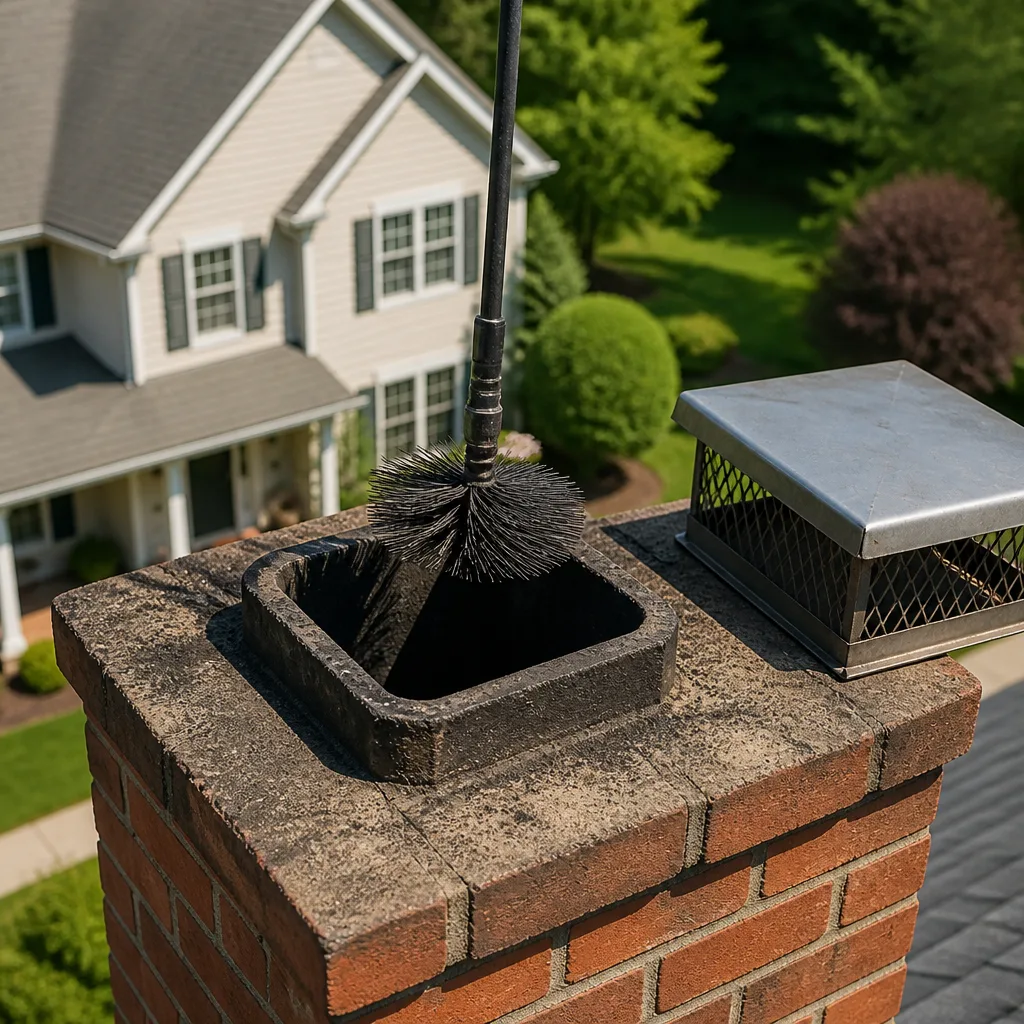 Sweep & inspection
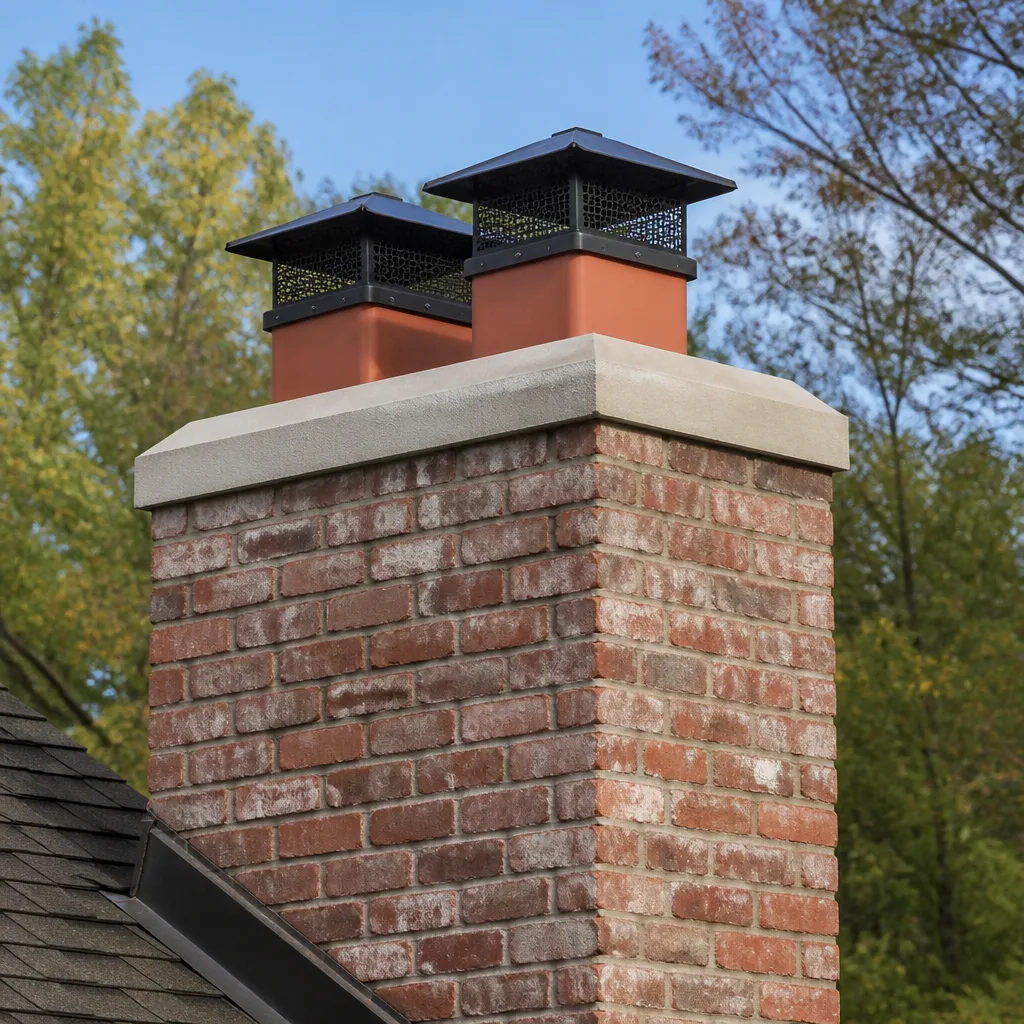 Caps & crowns
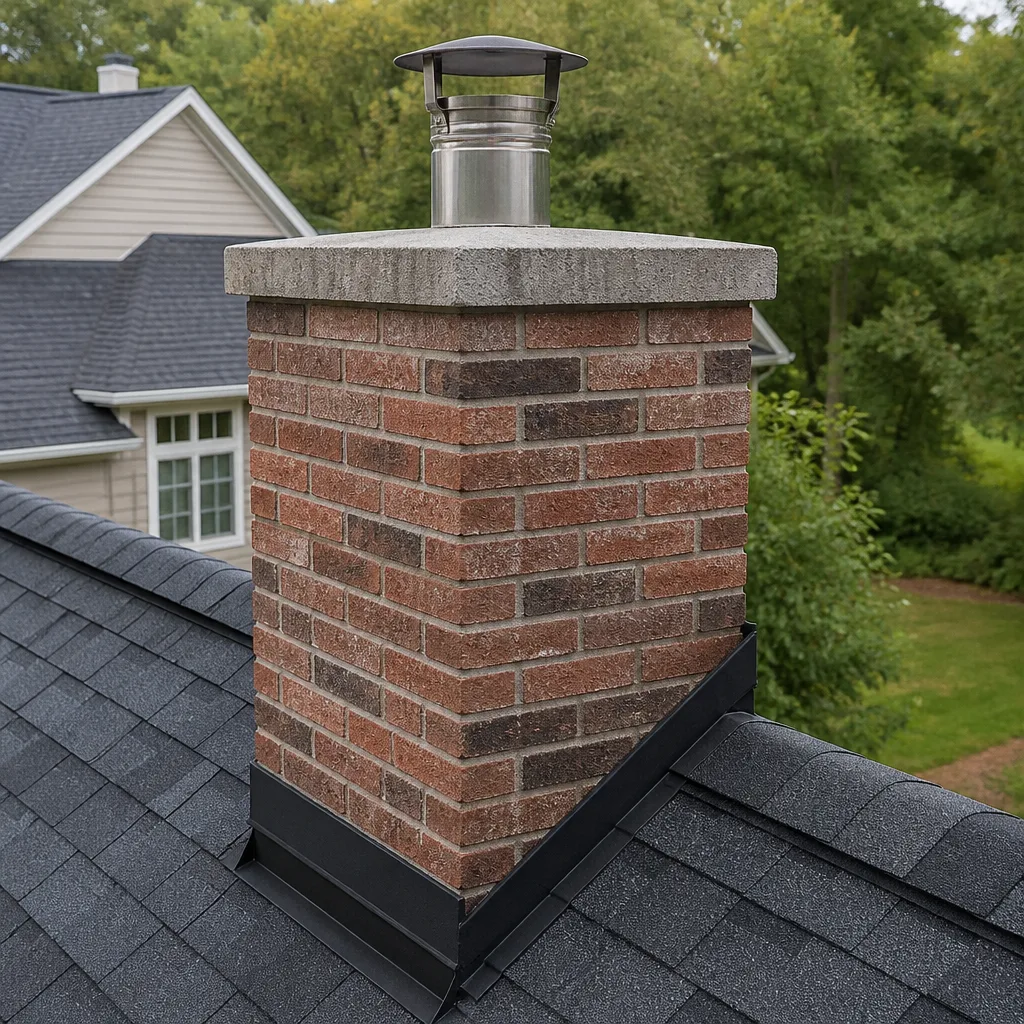 Flue relining
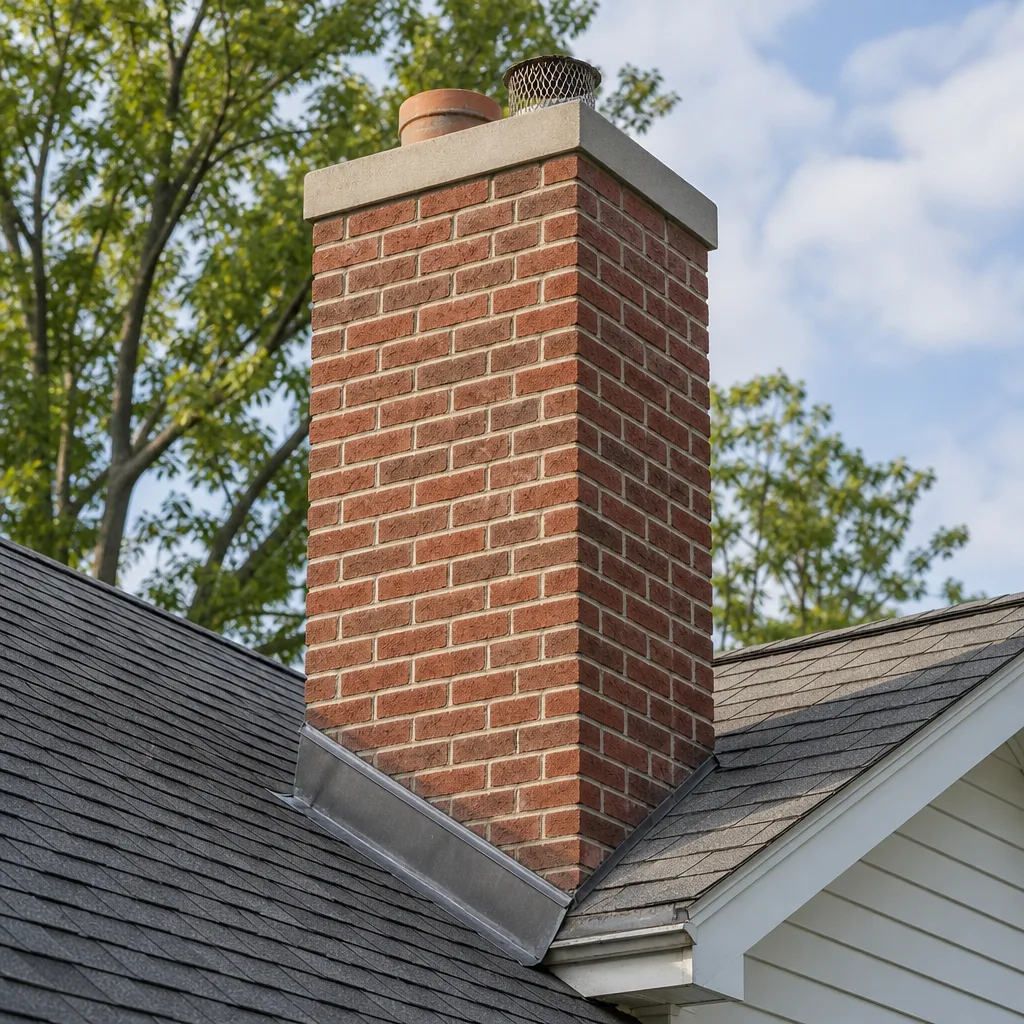 Masonry repair
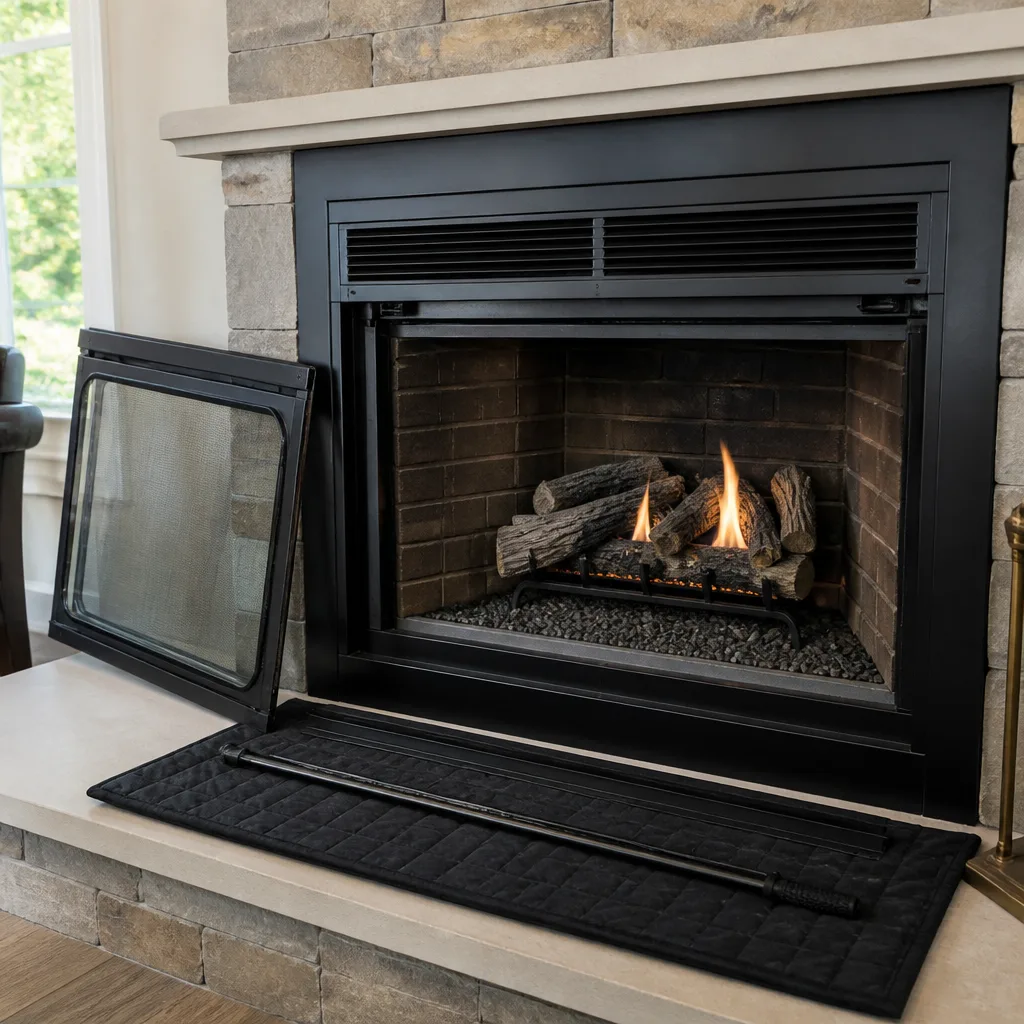 Gas fireplace service
Level 1 sweep and inspection to the NFPA 211 annual standard - flue, crown, cap, and flashing checked and photographed
Chimney sweep logs do not sweep chimneys. They loosen some creosote - which then falls where a brush and vacuum still have to collect it.
Seasonal Chimney Cleaning Care for Orange County: Year-Round Homeowner’s Guide
October in Orange County is both the start of fireplace season and the peak of Santa Ana wind events, which means the worst time to discover your chimney cap was dislodged is the night you light your first fire of the year. Most chimney advice assumes a four-season climate with snow, freezing pipes, and a hard stop to burning season. Orange County doesn’t work that way. Our chimneys live through fire months, wind corridors, a damp spring marine layer, and a long dry summer dormancy. Each of those phases asks for something different from a homeowner, and a single annual sweep misses most of it.
This guide lays out a four-phase care rhythm matched to Southern California’s actual calendar: what to do before you light the first fire in fall, what to watch during the burn months, how to close the chimney out properly in spring, and how to protect it during the months nobody thinks about it. You’ll learn what Santa Ana winds actually do inside a flue, why coastal homes in Laguna and Newport face faster metal corrosion, and which of these tasks you can handle yourself, without tools or risk.
Quick Answer
Seasonal chimney care in Orange County means matching your maintenance to four distinct phases: a pre-fire-season inspection and sweep (September – October), mid-season monitoring during active burning (November – January), a post-season close-out that includes a cap check and damper seal (February – March), and summer dormancy protection against moisture and animal intrusion (April – August). A standard professional chimney sweep in Orange County typically costs between $189 and $350-see our Chimney Cleaning Cost Breakdown: The Orange County Homeowner’s Reference for 2026 for full pricing factors-and homes that burn more than twice a week during fire season should plan for two sweeps rather than one.
Styles & brands we work with
Table of Contents
- Phase One: Pre-Fire-Season Preparation (September – October)
- Phase Two: Mid-Season Monitoring (November – January)
- Phase Three: Post-Season Close-Out (February – March)
- Phase Four: Summer Dormancy Protection (April – August)
- What Santa Ana Winds Do to a Chimney
- The Marine Layer Months: Moisture Risk on the Coast
- Common Mistakes to Avoid
- When to Call a Professional
- Frequently Asked Questions
Phase One: Pre-Fire-Season Preparation (September – October)
The weeks between Labor Day and Halloween are the most important stretch of the year for Orange County fireplaces. This is when you’re doing two things at once: preparing to burn again, and dealing with whatever the summer left behind. A chimney that sat unused for six months has accumulated dust, spider webs, possibly a bird nest or rodent activity, and often a layer of creosote from the previous season that you never fully cleaned out in spring.
Here’s what pre-season preparation should look like, in order:
- Schedule a professional chimney inspection before the first fire. This is non-negotiable if you haven’t had the flue looked at in over a year. A Level 1 inspection confirms the flue is clear of obstructions and that creosote buildup hasn’t reached a dangerous thickness.
- Check the chimney cap from the ground. Use binoculars if you have them. Look for a cap that’s tilted, missing sections, or detached entirely. Summer heat and wind loosen fasteners, and a missing cap is an open door for birds, squirrels, and rain.
- Open the damper fully and look up with a flashlight. You’re checking for visible obstruction, fallen brick chips, or a damper that no longer opens and closes smoothly. If you see anything unusual, stop and call a professional rather than lighting a test fire.
- Test the damper’s seal. A damper that doesn’t close tightly lets conditioned air escape all summer, and it lets smoke draft back into the house when the fire dies down. This is one of the most common, cheapest fixes in the business.
- Sweep if creosote thickness is 1/8 inch or more. Creosote is the black, flaky or tar-like residue that condenses on flue walls during burning. An eighth of an inch is the threshold where the National Fire Protection Association recommends cleaning. If you can scrape it off with a fingernail and it’s that thick, you’re due.
In our experience across Orange County, the most common call we get in October is from a homeowner who lit the first fire and watched smoke pour back into the living room. The cause is almost always one of three things: an obstruction near the top from summer animal activity, a damper that seizes in the closed position, or creosote that hardened during the dry summer and needs mechanical removal. None of these are emergencies on their own, but all of them ruin the first cozy night of the season.
If you want a reference point for standard sweep pricing, a professional chimney sweep in Orange County generally runs between $189 and $350. That range covers a standard open-flue fireplace with normal creosote levels. Prefabricated chimneys, second-story access, and heavy glazed creosote push toward the higher end.
Phase Two: Mid-Season Monitoring (November – January)
Once you’re burning regularly, Orange County’s fire season runs hot and fast. Families here light fires on cool evenings, weekend mornings, and holiday gatherings. The volume of creosote produced depends heavily on what you burn and how hot the fire runs.
Mid-season monitoring doesn’t require tools. It requires paying attention to three specific signals:
- Smoke in the room when the fire is established. This points to a drafting problem: a cool flue, a partially open damper, a chimney cap clogged with soot, or negative pressure from an exhaust fan. It’s rarely the chimney’s size or design, which means it can usually be corrected with a small adjustment.
- A sound change in how the fire draws. Fires that suddenly burn louder or quieter, or flames that lean to one side, signal an obstruction forming or a cap shifting. Wind-driven changes are normal in Orange County; persistent changes are not.
- Creosote odor when the fireplace isn’t in use. A sweet, tar-like smell from the firebox when there’s no fire means creosote is outgassing, usually on humid or windy days. It’s also a sign you may be approaching cleaning thresholds sooner than expected.
For homes burning three or more fires per week from November through January, the National Fire Protection Association’s recommendation is to think in terms of creosote accumulation velocity, not calendar time. A chimney that would pass a once-a-year sweep in a low-burn home might need a sweep mid-season.
One often-overlooked factor in Orange County is what you burn indoors. Driftwood, construction scrap, and eucalyptus branches are tempting because they’re plentiful, but they burn unevenly and often leave hard, shiny creosote deposits that require professional mechanical removal. Seasoned oak, almond, and manufactured fire logs designed for fireplaces burn cleaner.
Phase Three: Post-Season Close-Out (February – March)
This phase is what most Orange County homeowners skip, and it’s the leading cause of animal intrusion calls we take every spring. When the last fire of the season goes out, the chimney doesn’t stop existing. It becomes a warm, sheltered cavity in a house that’s now quiet and dark. That’s precisely what birds, squirrels, and raccoons are looking for.
A proper post-season close-out includes:
- A final burn day assessment. Note how the fire behaved that last week. If you noticed any change in drafting, odor, or smoke, that’s your indicator the chimney needs attention before next season, not after it.
- Cool-down sweep if you crossed the creosote threshold. Many Orange County homes benefit from a March sweep even if they had a October sweep. It’s not double-charging; it’s resetting the flue to a clean baseline before a six-month dormancy. Leftover creosote absorbs moisture from spring air and becomes more corrosive over summer.
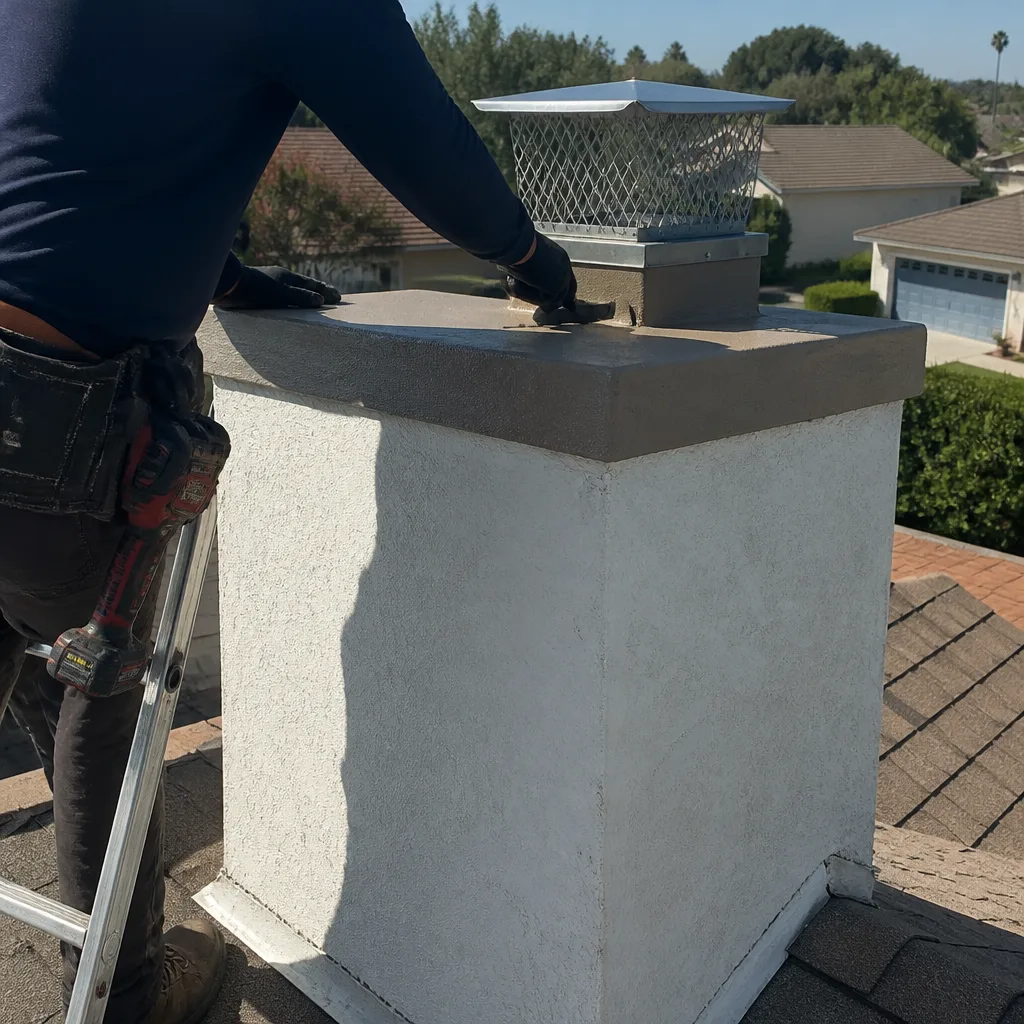
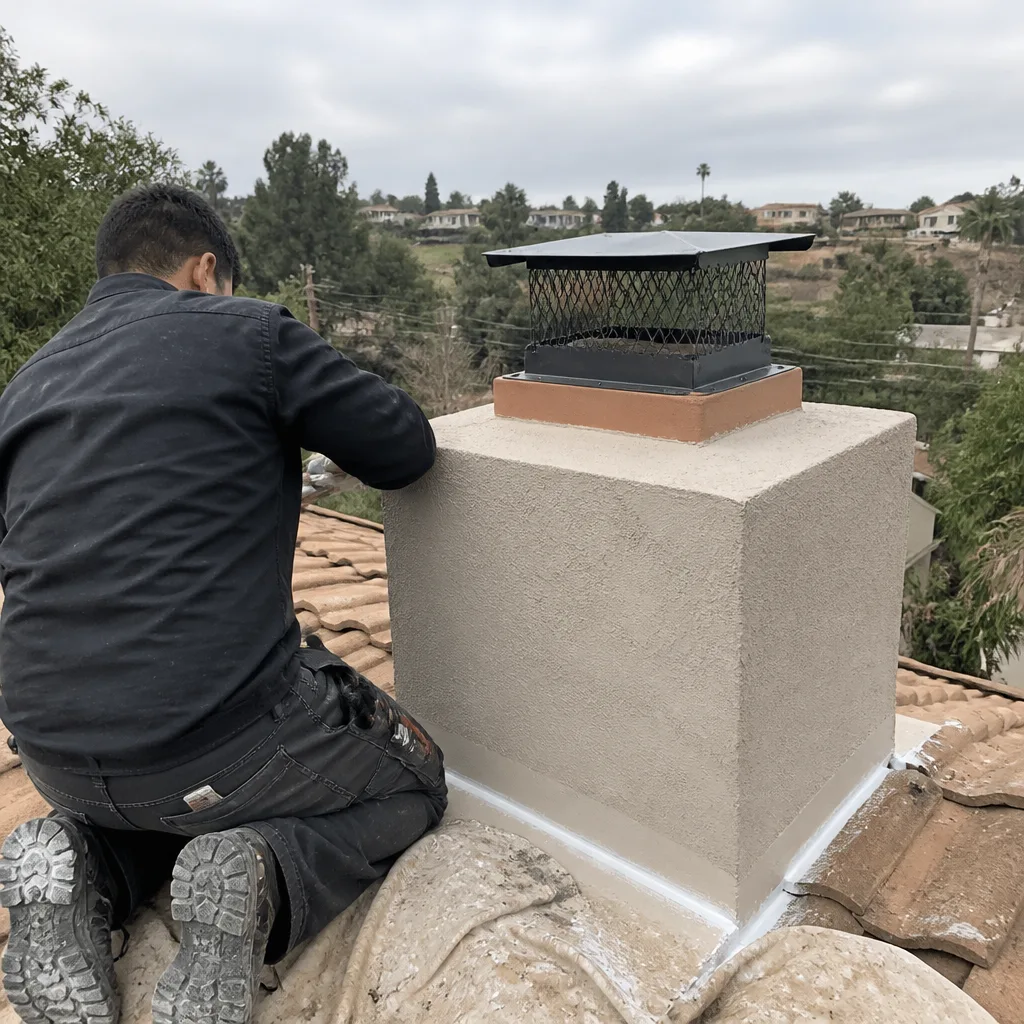
- A chimney cap inspection. This is the single most cost-effective layer of protection. A cap with a stainless steel mesh screening does three jobs: keeps animals out, keeps embers and debris in, and keeps rain from entering the flue. Caps and spark arrestors from Olympia Chimney, Famco, and Copperfield are built to withstand salt air better than generic hardware-store options.
- Damper seal check. A closed chimney should not be able to exhale. If you can feel a draft from the firebox when the damper is fully closed, conditioned air is escaping through the flue. Sealing this gap saves measurable energy dollars over summer.
- Record your season. Write down how many fires you burned, what you noticed, and the last sweep date. This simple log makes next year’s decisions easier and gives a professional context if an inspection flags something unusual.
Phase Four: Summer Dormancy Protection (April – August)
Long, dry Orange County summers create the deception that nothing is happening inside the chimney. In reality, this is the season when small problems compound. Heat cycles expand and contract masonry joints. Dry air dries out creosote, making it harder and more difficult to remove later. Nesting season peaks. And without fires, no one looks up.
Summer dormancy protection is about passive defense:
- Visually check the chimney exterior monthly. Walk around the house. Look for cracked brickwork, missing mortar, a rusty rain cap, or a chimney crown with visible cracking. Coastal homes in Seal Beach, Huntington Beach, and Newport Beach should check for salt-air corrosion on metal flashing around the chimney base.
- Keep the damper closed. An open damper during summer costs money in lost HVAC efficiency and lets humid air migrate into the flue. Humid air plus creosote equals corrosive acids. The marine layer months are the worst offender.
- Run the fireplace insert or gas log set once, briefly, in July or August. This burns off dust, keeps moving parts from seizing, and sends a signal to any nesting creature that the area is active. One ten-minute burn on a cool summer morning is enough.
- Schedule next season’s inspection before October. Book it in August. The calendar fills fast in September, and you want the pre-season peace of mind before cool weather triggers a mass rush to chimney sweeps across the county.
Summer is also the right season for larger chimney projects. If you need a new liner, crown repair, or a structural fireplace repair in Orange County, getting it done in the off-season means no competition for scheduling and no missed burn nights. Liner systems from DuraFlex and HeatShield are rated for decades of service, and summer installation gives materials time to cure without thermal stress.
What Santa Ana Winds Do to a Chimney
Santa Ana winds are the most distinctive environmental force acting on Orange County chimneys. These dry, down-slope winds can sustain 40 to 60 mph gusts during the October through January window, and they do three things to a chimney system that no other weather pattern matches.
First, they create negative pressure at the chimney top. Wind moving horizontally across the flue opening pulls air upward with enough force to reverse drafting in a cold chimney. If a fire isn’t burning, the chimney can pull conditioned air out of the house. If a fire is burning, gust-driven backdrafts can push smoke into the room. Second, they transport debris. Palm fronds, eucalyptus bark, pine needles, and roof tile fragments all become projectiles during Santa Ana events, and the most common impact point on a roof is the chimney cap. Third, they dry out everything inside the flue. Right after a Santa Ana event is the best time to inspect for cap damage, because any loosening from wind gusts will be visible immediately.
A practical post-Santa-Ana check takes five minutes:
- Look at the cap from the ground for tilt, bend, or missing mesh.
- Look on the roof and in the gutter near the chimney for fresh debris.
- Open the damper and look up with a flashlight for any visible obstruction.
- If you see anything, call for a professional inspection before lighting a fire.
We’ve seen chimneys in Yorba Linda and Anaheim Hills take direct hits from wind-driven roof tiles that shear off spark arrestor mounts. Homeowners don’t discover it until the first fire of the season, when smoke pours back into the den. Five minutes after the wind dies down saves that entire scenario.
The Marine Layer Months: Moisture Risk on the Coast
Homes within five or six miles of the Pacific Ocean, particularly in Laguna Beach, Newport Beach, Corona del Mar, and Seal Beach, face a chimney problem that inland Orange County rarely contends with: the spring marine layer. From March through July, low clouds and fog roll in overnight and deposit moisture on every exposed surface. Chimneys are no exception.
That moisture doesn’t just sit on the outside. It enters through cracked crowns, deteriorated flashing, and unprotected flue openings. It mixes with creosote residue inside the flue and forms acidic compounds that corrode metal liners, damper assemblies, and firebox components faster than dry heat ever will. Salt air accelerates the process, which is why coastal chimneys often show rusted rain caps years before inland chimneys do.
What a homeowner can do without tools:
- Keep the damper closed during marine layer months. This is the simplest moisture barrier available. Closed dampers keep morning fog from migrating into the cooler flue and condensing.
- Check metal components for rust in May and June. Look at the rain cap, flashing, and any exposed fasteners. Surface rust is normal; pitting or flaking is the signal to replace.
- Consider upgrading to a stainless steel cap if you’re coastal. Galvanized caps from big-box stores fail fast in salt air. Stainless caps hold up significantly longer and are standard equipment on most new Orange County coastal chimney installations.
- Run a dry burn on a sunny day in May. Pick a morning after the marine layer burns off, open the damper, and let a small fire burn for 20 minutes. The heat drives residual moisture out of the flue and helps prevent mold and musty odors during the damp season.
Common Mistakes to Avoid
- Treating Orange County like a four-season climate. Traditional chimney advice assumes winter freezes and summer rains. Orange County has neither, but it has Santa Ana winds, salt air, and a long dry dormancy. The maintenance calendar must reflect our actual climate, not a generic one.
- Skipping the spring close-out. The most common reason for animal intrusion calls in April and May is simply that no one sealed or capped the chimney after the last fire. Birds and squirrels don’t wait for an invitation.
- Burning unseasoned or inappropriate wood. Eucalyptus, pine, and construction lumber create heavy creosote loads. In a climate where fires burn less often but hotter, the creosote doesn’t get a chance to burn off naturally and accumulates quickly.
- Relying on a visual inspection from the firebox only. The human eye can’t see more than the first few feet of a standard flue from below. A professional chimney inspection includes camera or mirror work that sees the entire flue length, including the cap area.
- Ignoring a slow-to-close damper. A sticky damper is a year-round energy leak and a fire-season safety issue. Repairing or replacing a damper is a smaller job than most homeowners expect, and the savings in heating and cooling costs pays for it within a season or two.
- Waiting until October to schedule a sweep. September and October are the busiest months in Orange County for chimney work. Booking in August gets you a better schedule window and a cleaner flue before the season begins.
- Using a chimney sweep log as a substitute for a professional sweep. Those pressed-sawdust logs can reduce light creosote deposits, but they cannot remove hardened or glazed creosote, and they can’t inspect the flue. Treat them as a maintenance supplement, not a replacement.
When to Call a Professional
Some signals are clear enough that a homeowner should stop using the fireplace and call a professional chimney sweep. Smoke backdrafting into the room on a regular basis, a visible crack in the firebox or chimney masonry, rusted or damaged rain caps, animal sounds in the chimney, or creosote odor that persists even after a cleaning are all red flags. Unusual drafting behavior that appears suddenly, especially after a major Santa Ana wind event, indicates possible cap or flue damage above the roofline. And any chimney that hasn’t been professionally inspected in two years or more is overdue, regardless of how it has been burning; see Chimney Cleaning Permits, Codes & Inspections in CA: What You Need to Know for regulatory context. Kindling Chimney Orange County offers free estimates in Orange County. Call (831) 217-7981 and a live person will answer, any time, day or night. No voicemail trees, no callbacks that come days later.
Frequently Asked Questions
Most Orange County homes need a professional chimney sweep once per year, but the real answer depends on burn frequency and creosote accumulation rate. Homes that burn three or more fires per week during the November through January season often benefit from a second sweep in March. The National Fire Protection Association’s threshold is 1/8 inch of creosote buildup; when that level is reach matters more than calendar dates. Call (831) 217-7981 if you’re unsure whether your accumulation has reached the point where a sweep is necessary. Estimates are free.
A standard chimney sweep in Orange County typically costs between $189 and $350 for an open-flue, single-story fireplace with normal creosote levels. The price varies based on creosote thickness, chimney height, access conditions, and whether a full inspection with camera work is performed at the same time. The lower end covers a basic sweep with no findings. The higher end covers heavy glazed creosote, prefabricated chimneys, or properties where scaffolding or additional equipment is required. Kindling Chimney Orange County provides a written price before any work starts, every time, with no on-the-spot pressure. Call (831) 217-7981 for an exact quote.
You need a new liner when the existing liner is cracked, spalled, or no longer safely contains combustion byproducts. A proper chimney inspection with camera work shows you exactly what’s wrong, and Kindling Chimney Orange County will never recommend a liner replacement without a photo or video you can see for yourself. Many liner replacements use professional-grade systems from DuraFlex and HeatShield, which carry long service ratings and install without major demolition. If you’re unsure, call (831) 217-7981 for an inspection. A straight answer costs no more than the visit.
If you skip maintenance, creosote accumulates beyond safe thresholds, the damper and cap degrade quietly, and animals often move in during the spring nesting season. None of this is an emergency in the early stages, which is exactly why it gets skipped. The longer it’s ignored, the more expensive the remediation. A chimney that would have needed a $150 sweep in year one might need a $1,200 animal removal and cap replacement in year three. The safest and cheapest approach is consistent annual maintenance, scheduled in the off-season when demand is low, and you can find more guides & resources on our blog to stay on track. Call (831) 217-7981 to get on the schedule before the fall rush.
Generally no. Santa Ana winds can gust strongly enough to reverse the draft in a chimney, pulling smoke and embers back into the living space. The safest practice is to wait for the wind to drop below sustained 20 mph before lighting a fire. After the wind event passes, do a quick visual check of the chimney cap and the area around the firebox for debris. If you notice new drafting problems after a wind event, call (831) 217-7981. Kindling Chimney Orange County can inspect for cap damage or flue obstruction before the next burn.
Yes, and it does so faster than inland homeowners expect. Coastal homes in Laguna Beach, Newport Beach, Corona del Mar, and Seal Beach are exposed to salt-laden marine air that corrodes galvanized rain caps, flashing, and even exposed firebox metal within a few seasons. Stainless steel components hold up significantly better. If you live within five miles of the coast, plan for an annual visual inspection of all exterior chimney metal and budget for more frequent cap or flashing replacement than an inland home would need. Our Kindling Chimney Orange County home page has more details on coastal-specific maintenance.
The Bottom Line
Orange County chimneys don’t get a true winter, but they absolutely have seasons. The Santa Ana wind window demands post-event cap checks. The marine layer months demand moisture defense. The long dry summer demands damper discipline and advance booking. And the October through January burn season demands attention to creosote accumulation that a single annual sweep ignores. If you adopt a four-phase rhythm matched to our actual climate, you’ll burn cleaner, spend less, and avoid the animal intrusion and smoke-backdraft calls that fill spring and fall schedules. Chimney inspection in Orange County is the foundation of this rhythm, and professional chimney sweeping keeps it working year after year. For a free estimate or to schedule a service, call (831) 217-7981 any time. A live person answers, and a written price is always provided before any work begins.
Written by Danny Cortes, Owner at Kindling Chimney Orange County, serving Orange County since 2003.
See the difference
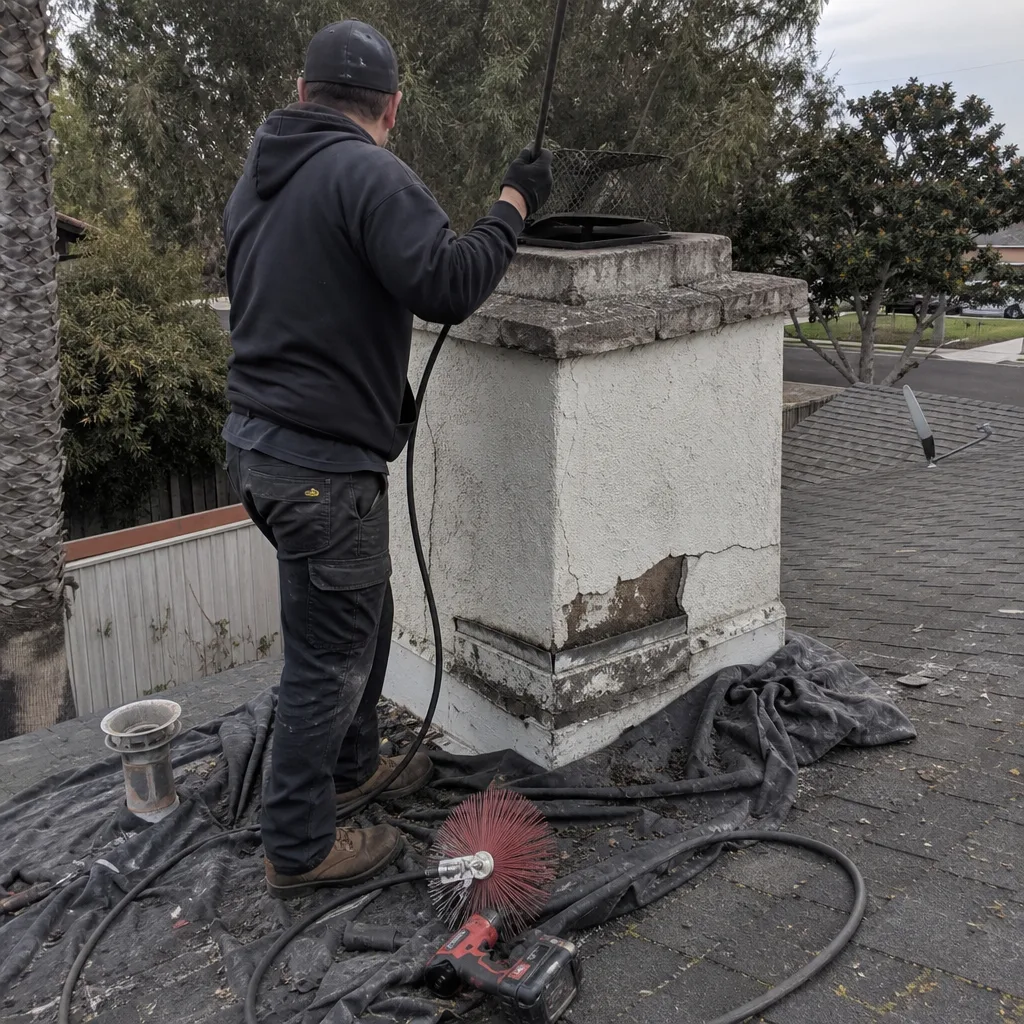 Before
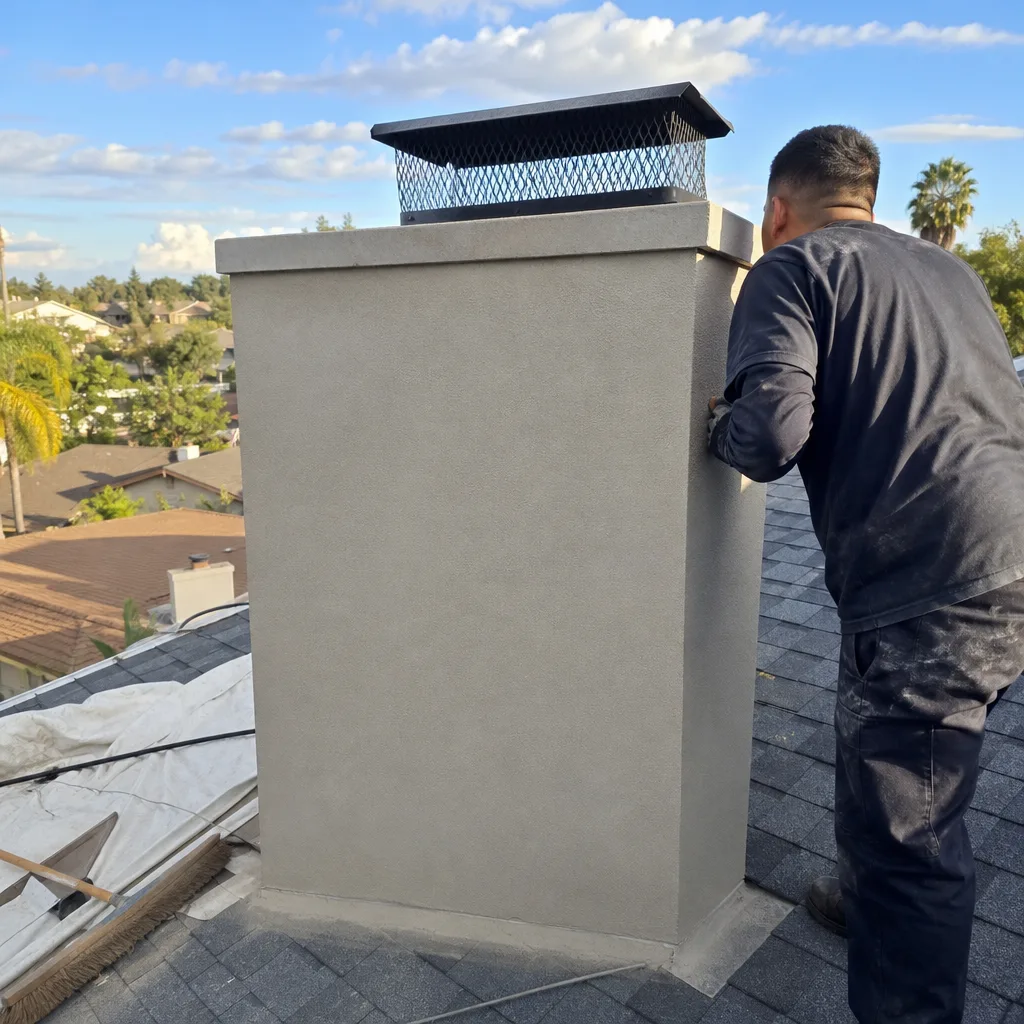 After
After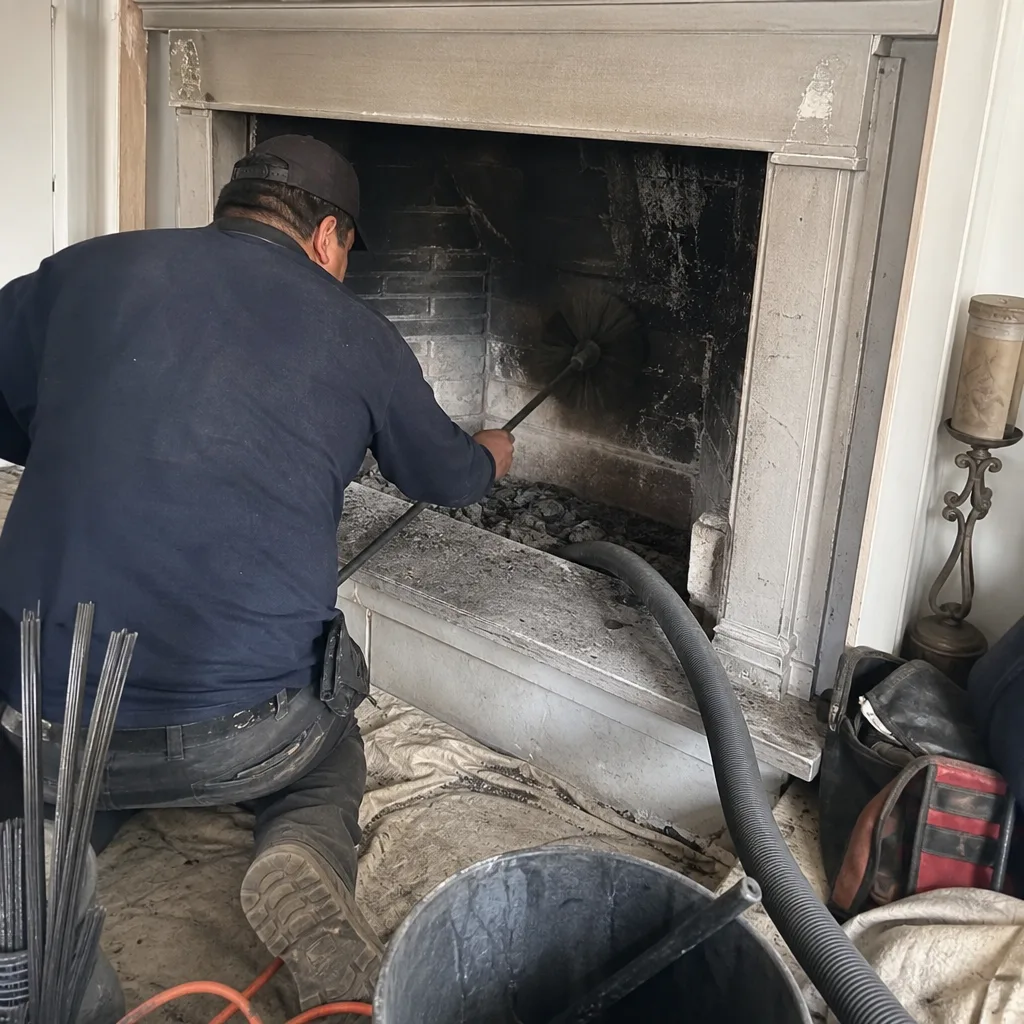 Before
 After
After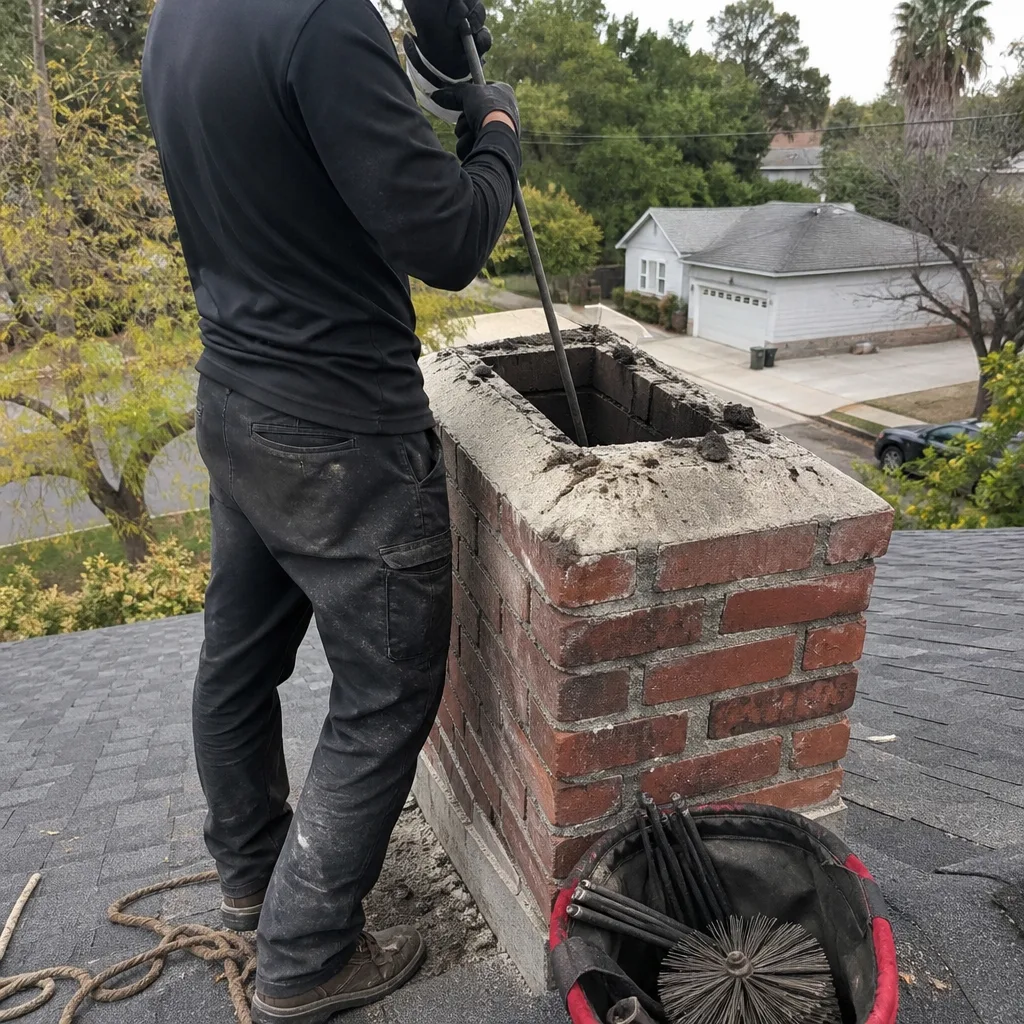 Before
 After
After