
Last updated October 15, 2026
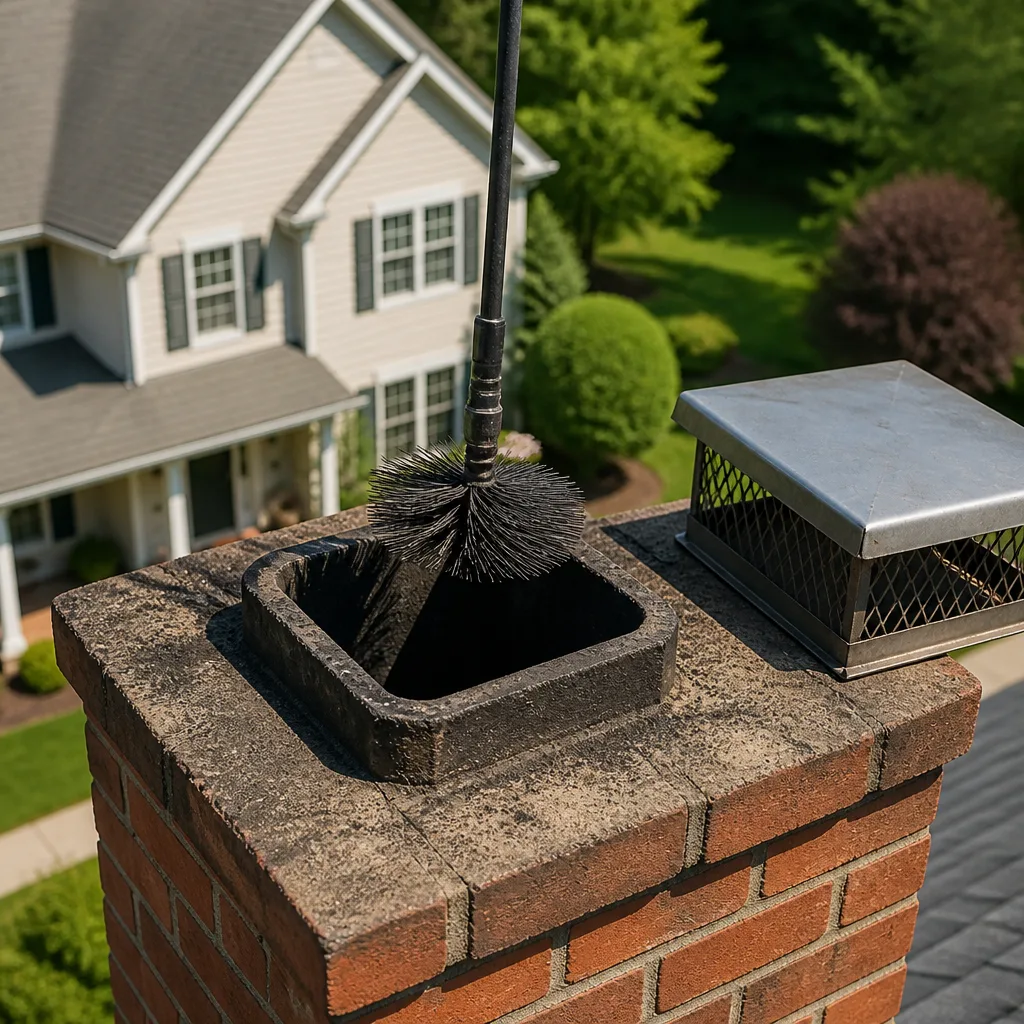 Sweep & inspection
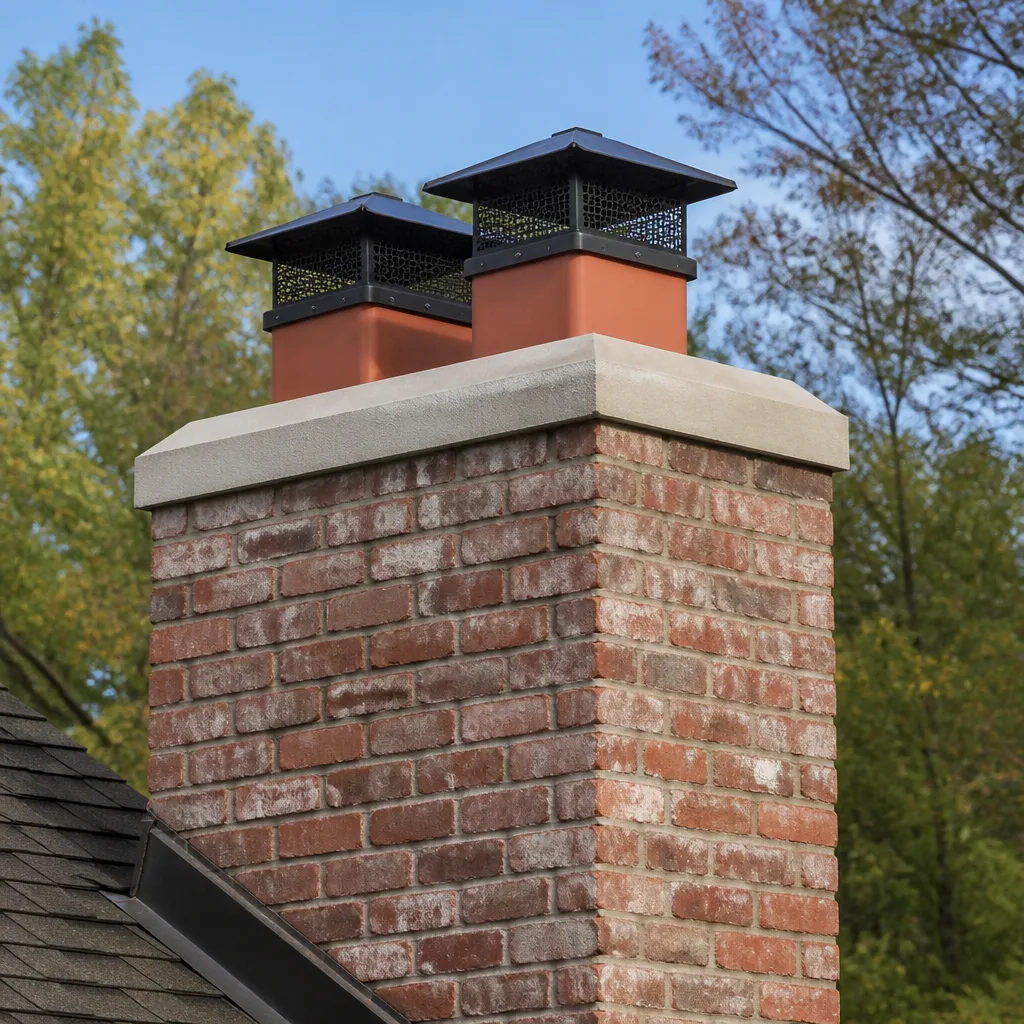 Caps & crowns
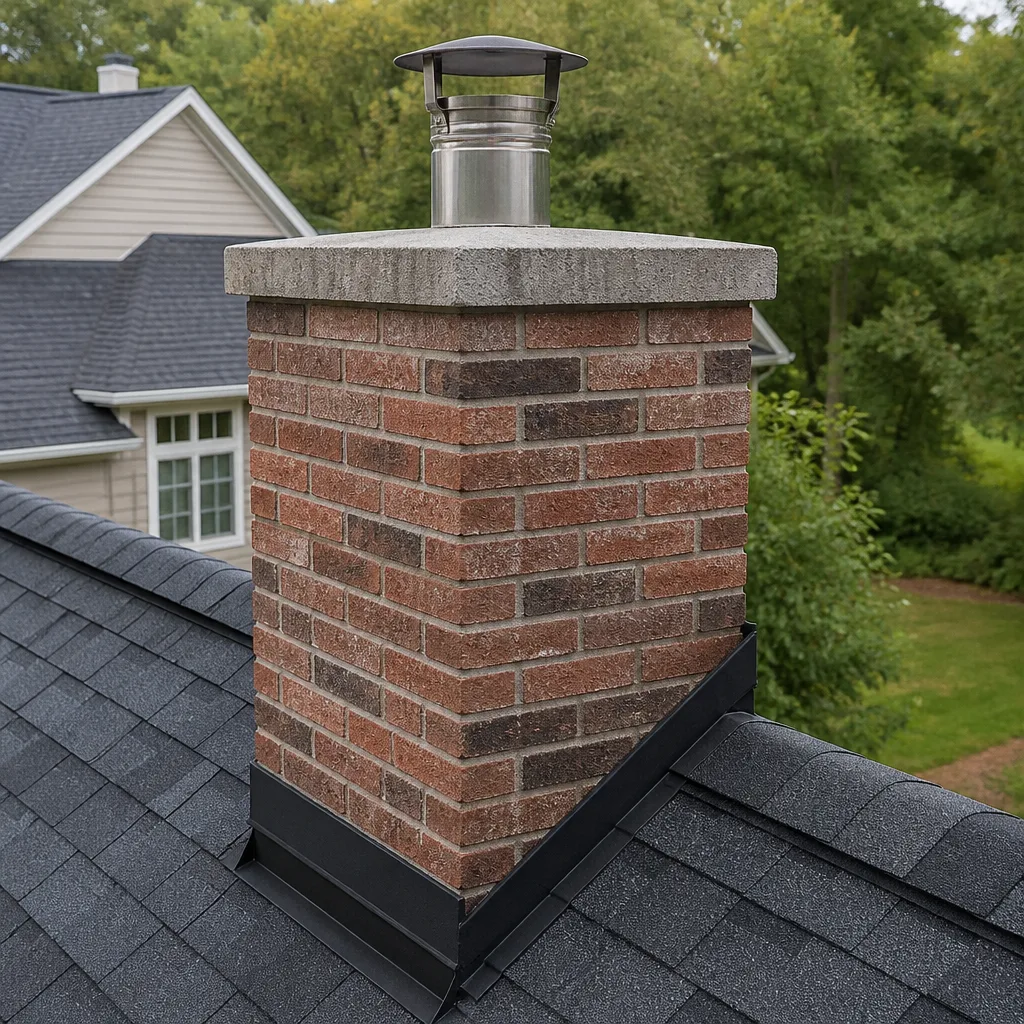 Flue relining
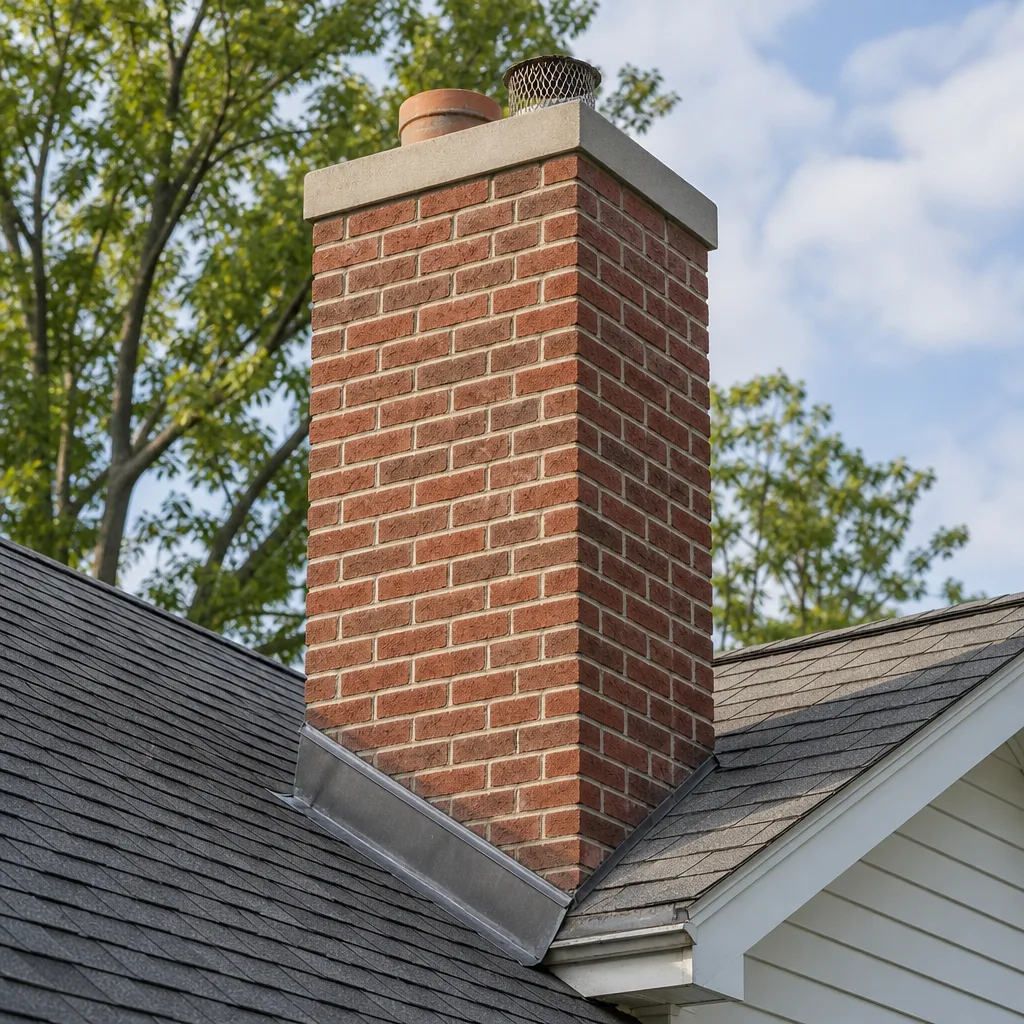 Masonry repair
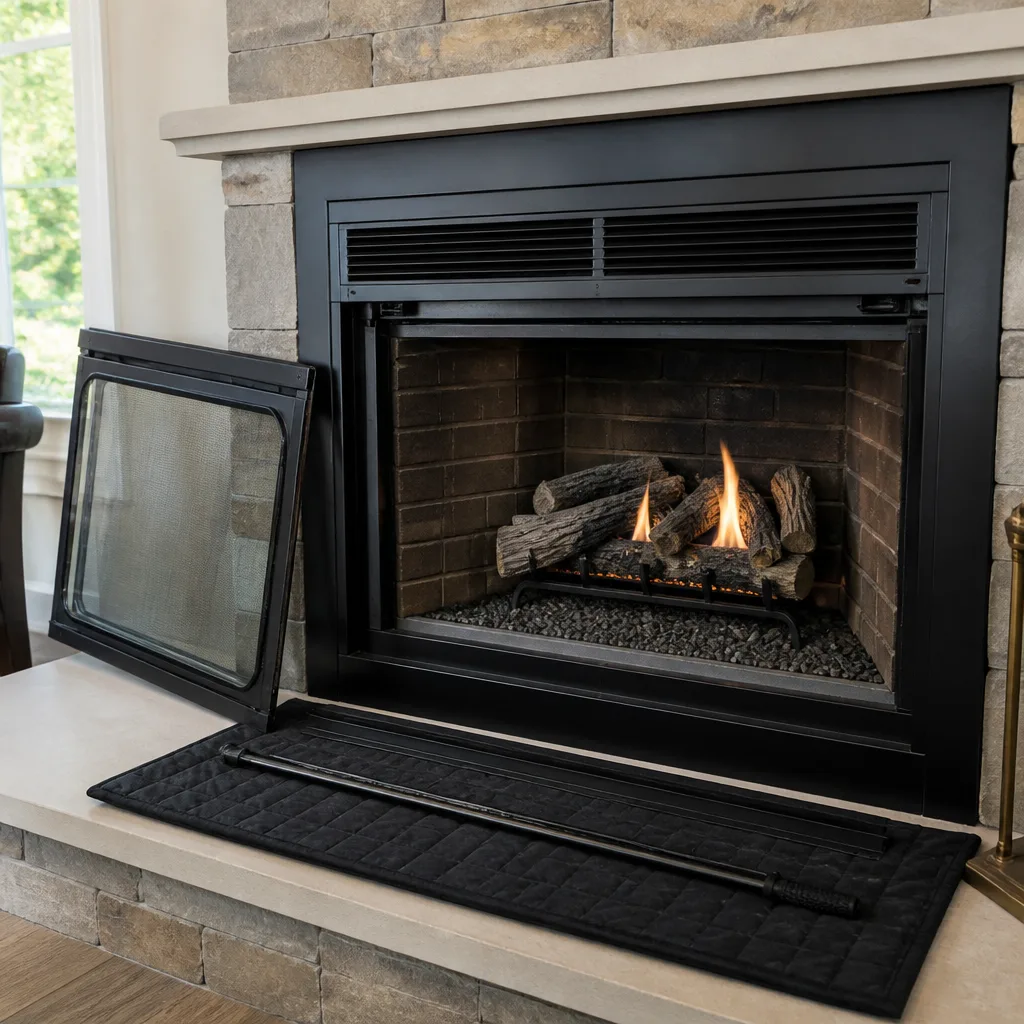 Gas fireplace service
Level 1 sweep and inspection to the NFPA 211 annual standard - flue, crown, cap, and flashing checked and photographed
Chimney sweep logs do not sweep chimneys. They loosen some creosote - which then falls where a brush and vacuum still have to collect it.
Chimney Cleaning Permits, Codes & Inspections in CA: What You Need to Know
Here’s the uncomfortable truth most Orange County homeowners discover too late: the chimney cleaning itself rarely needs a permit, but the repair work that often follows a cleaning absolutely does. A simple sweep can turn into a liner replacement recommendation, and before you know it, you’re signing for thousands of dollars in work that should have triggered a city permit. If that permit never gets pulled, the liability for unpermitted work transfers to you at the next home sale, not to the contractor who’s already been paid. This guide walks through exactly which chimney services require a permit in California, how Orange County cities differ in their enforcement, what the actual codes say, and how to protect yourself before and after the work is done. For more, see our Complete Guide to Chimney Cleaning in Orange County.
Quick Answer
Chimney cleaning and basic inspections do not require a permit anywhere in California, including Orange County. However, structural repairs like firebox rebuilds, liner replacements, chase cover installations, and most masonry work do require permits in most OC cities, with thresholds varying by jurisdiction. If you’re only getting a sweep, no permit is needed. If the sweep uncovers damage that requires repair, that repair work likely triggers the permitting process. See our Chimney Sweep Maintenance Checklist for Orange County Homeowners to stay ahead of issues.
Styles & brands we work with
Table of Contents
- Chimney Cleaning vs. Chimney Repair: Where the Permit Line Actually Falls
- What California’s Title 24 and NFPA 211 Actually Require
- How Orange County Cities Differ: Anaheim, Irvine, Santa Ana, Huntington Beach
- Who Pulls the Permit: You, the Contractor, or Nobody?
- How to Check If a Previous Contractor Pulled Permits, and What to Do If They Didn’t
- What a Chimney Repair Permit Costs in Orange County
- Common Mistakes to Avoid
- When to Call a Professional
- Frequently Asked Questions
- The Bottom Line
Chimney Cleaning vs. Chimney Repair: Where the Permit Line Actually Falls
Chimney cleaning is classified as routine maintenance in California. You don’t need a permit to have your chimney swept, just as you don’t need one to clean your gutters or change your HVAC filter. The sweep removes creosote and soot from the flue lining using brushes and vacuum equipment. No structural changes occur, no building code applies to the act of cleaning itself, and no city inspector will ever ask to see a permit for a sweep. The same applies to a standard Level 1 or Level 2 chimney inspection, which is a visual assessment done by camera or direct observation, and does not modify anything.
Here’s where Orange County homeowners get caught off guard. During a sweep or inspection, the technician may find that the clay flue liner is cracked, the firebox has deteriorated, the chimney crown needs rebuilding, or the chimney is missing proper clearance from combustibles. Fixing any of these conditions is classified as repair or modification, not maintenance. In California, repairs that affect the structural integrity, safety clearance, or draft performance of a chimney fall under the California Building Code (CBC), specifically the sections that adopt national standards.
Here’s the breakdown in plain language:
- Chimney sweeping: No permit required. Anywhere in California.
- Chimney inspection (Level 1, 2, or 3): No permit required. It’s diagnostic.
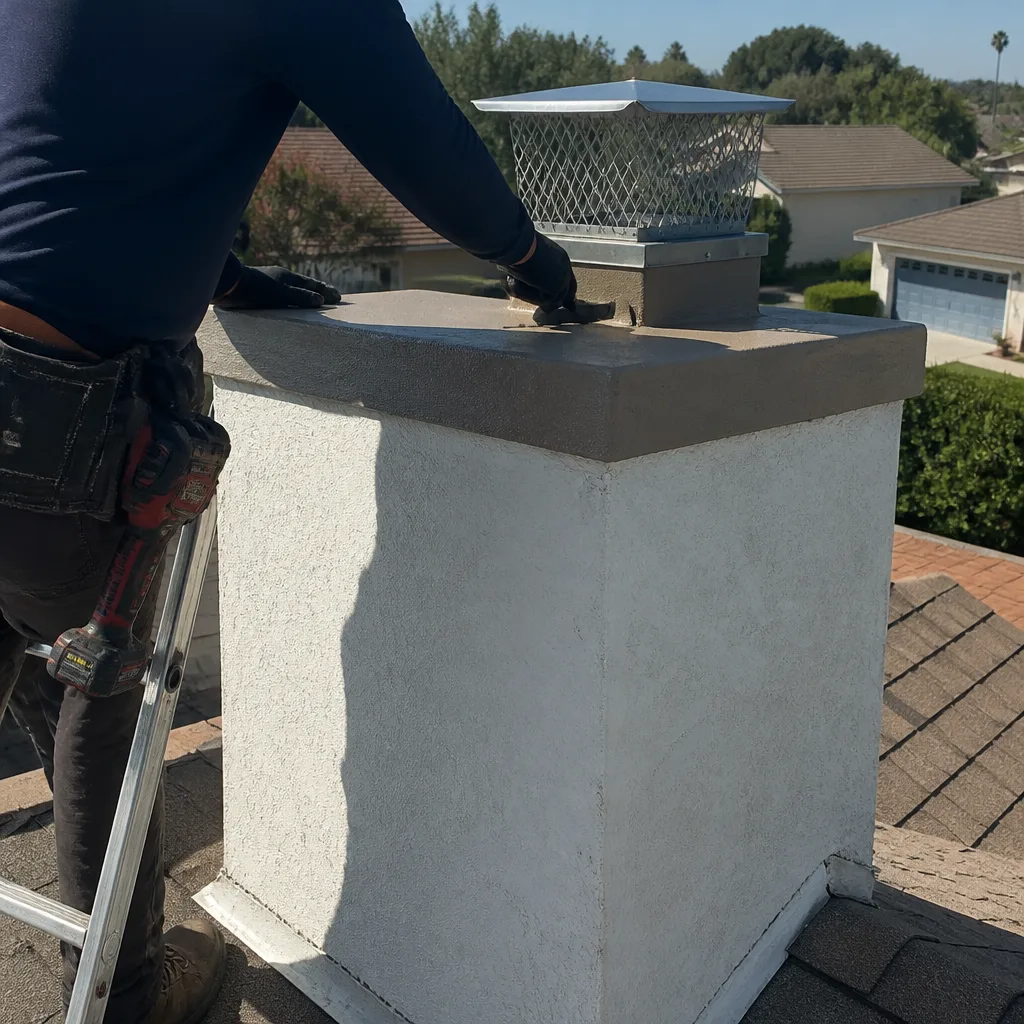
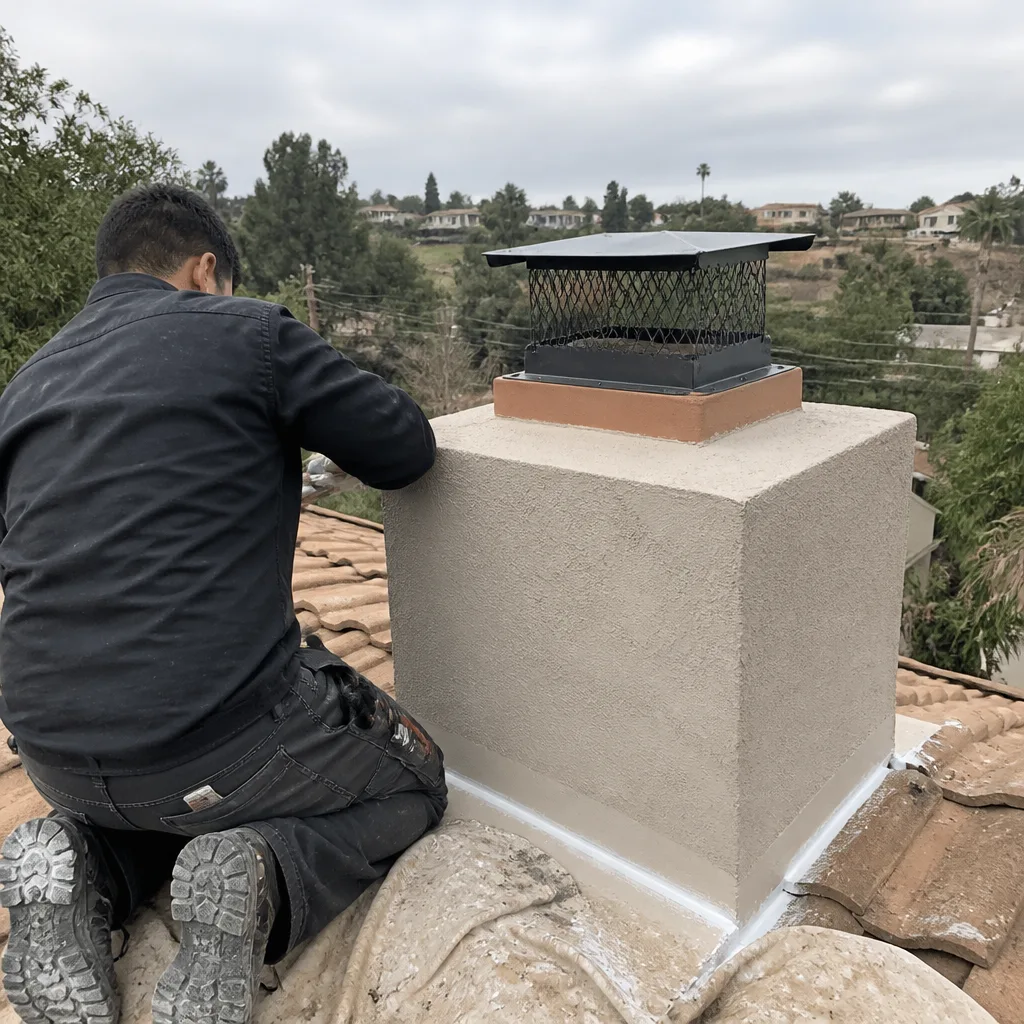
- Chimney cap or chase cover replacement: Generally no permit if it’s a swap of like for like. If it involves modifying the flue or crown structure, some cities may require one. Check your city.
- Stainless steel liner installation (DuraFlex, HeatShield, or similar): Permit required in most Orange County cities. This is a modification of the venting system.
- Firebox rebuild or repair: Permit required in nearly all California jurisdictions.
- Chimney crown rebuild or repointing of significant masonry: Permit typically required if it exceeds cosmetic repointing thresholds.
- Complete chimney tear-down and rebuild: Permit required, always.
In our experience serving Orange County, the most common scenario we encounter is a homeowner who already paid for a liner replacement years ago, used a contractor who never pulled a permit, and now can’t close escrow because the home inspector flagged the unpermitted work. That’s the situation to avoid.
What California’s Title 24 and NFPA 211 Actually Require
California’s Title 24, Part 2.5, is the state’s residential building code. When it comes to chimneys and fireplaces, Title 24 doesn’t write its own chimney-specific standards from scratch. It adopts by reference the standards set by the National Fire Protection Association, specifically NFPA 211, which is the Standard for Chimneys, Fireplaces, Vents, and Solid Fuel-Burning Appliances. NFPA 211 is the technical backbone for chimney construction, clearance, liner requirements, and inspection protocol.
Here’s what NFPA 211 requires in terms a homeowner can actually understand:
- Chimneys must have a liner: If your chimney was built without a flue liner or the liner is cracked beyond repair, NFPA 211 requires either a new liner or a rebuild. Repairs that restore liner function trigger a permit because they modify the venting system.
- Clearance to combustibles: Combustible framing and materials must maintain minimum distances from the chimney. In older Orange County homes built before modern codes, this clearance is often absent, and fixing it involves structural work that requires a permit.
- Inspection frequency: NFPA 211 says chimneys should be inspected at least once a year for solid fuel appliances like wood-burning fireplaces. This is the foundation for the annual sweep and inspection recommendation.
- Liner materials: When relining, NFPA 211 permits stainless steel systems listed to UL 1777. That’s why we use DuraFlex and HeatShield systems on relining jobs in Orange County. These are tested and listed products, and the installation documentation is part of what the inspector reviews.
- Firebox dimensions and materials: Fireboxes must be built with firebrick or listed refractory panels. A firebox rebuild using improper materials won’t pass inspection, and the permit process exists to catch that.
The short version: Title 24 adopts the national safety standard, and any work that changes the venting, structure, or clearances of your chimney is regulated. A sweep is not regulated. A repair is.
How Orange County Cities Differ: Anaheim, Irvine, Santa Ana, Huntington Beach
California is a home-rule state when it comes to building code enforcement, which means each incorporated city administers its own permit process. Orange County has 34 cities, and while they all follow the same California Building Code, their permit thresholds and administrative processes vary significantly. Here’s what you need to know about four of the county’s largest cities.
Anaheim: Anaheim Building Safety requires permits for any chimney repair that involves structural changes, liner work, or modifications to the firebox. Anaheim uses an online permit portal, but chimney liner replacements and firebox rebuilds typically require a full building permit with plans or a detailed scope of work. The city also requires an inspection after the work is complete, which means the contractor must coordinate with the inspector on site.
Irvine: Irvine is known for strict code enforcement, partly because much of the housing stock is newer and the city has strong homeowners association oversight. Chimney repairs that involve liner installation, crown rebuilding, or any change to the exterior chimney profile require a permit. Irvine’s Community Development Department also cross-references permits with property records, so unpermitted chimney work is likely to surface during a home sale.
Santa Ana: Santa Ana has a large stock of older homes, many with original masonry chimneys from the 1950s and 1960s. Permits are required for firebox rebuilds, liner replacement, and structural repairs. The city’s Planning and Building Agency is smaller than Irvine’s department, but enforcement is consistent. Santa Ana homeowners should be especially careful with chimneys on older homes, because the original construction often predates current clearance requirements, and correcting that issue adds complexity to any permit application.
Huntington Beach: Huntington Beach, like other coastal Orange County cities, deals with salt-air corrosion on chimney caps, chase covers, and flashing. Replacing a chase cover with a like-for-like unit usually doesn’t require a permit, but relining a chimney or rebuilding a firebox does. Huntington Beach also requires permits for any structural change to a chimney, and the city’s building division is responsive but expects contractors to have their documentation in order before applying.
For unincorporated areas of Orange County, permits are handled directly by OC Public Works. For cities not listed here, the process is generally similar to one of the four patterns above: liner work and structural repairs require permits, cleaning and inspection do not.
Who Pulls the Permit: You, the Contractor, or Nobody?
Under California law, the person or company performing the work is responsible for obtaining the permit. Contractors State License Law requires a licensed contractor to pull permits for work that requires them, and failing to do so is a violation that can result in license suspension or revocation. That said, many homeowners don’t know this, and less reputable contractors exploit that ignorance by doing unpermitted work at a lower price.
The permit process for a chimney repair in Orange County typically follows this sequence:
- Assessment: The chimney sweep or inspector documents the damage with photos and measurements, usually through a camera inspection.
- Scope of work: The contractor writes up a scope of work that describes exactly what will be repaired, what materials will be used, and how the repair will comply with code.
- Permit application: The contractor submits the application to the city’s building department, either online or in person, depending on the city’s system.
- Permit issuance: The city reviews the scope and issues a permit. Some cities issue over the counter for simple repairs; others take a few days to a few weeks for complex jobs.
- Work performed: The contractor completes the repair according to the approved scope.
- Inspection: A city inspector visits the job site to verify the work matches the permit and meets code. The inspector signs off, and the permit is finalized.
If a contractor tells you a permit isn’t needed for a liner replacement or a firebox rebuild, that’s a red flag. If they tell you they’ll “handle the permit” but never provide a permit number, that’s an even bigger one. Ask to see the permit before work begins, or at minimum, get the permit number and verify it with the city’s building department. Any reputable contractor will be comfortable with this request. At Kindling Chimney Orange County, our written price includes a clear statement of whether the work requires a permit and who is responsible for pulling it.
For families, the permit question matters beyond legal compliance. A permit means a city inspector will confirm that firebox materials are correct, clearances are proper, and the liner is installed to the manufacturer’s listing. That is the difference between a repair that protects your family and one that just looks like it does.
How to Check If a Previous Contractor Pulled Permits, and What to Do If They Didn’t
You can verify permits on your property in Orange County without leaving your desk. Every city maintains permit records, and most have an online portal where you can search by address. Here’s the step-by-step process:
- Identify your city: Confirm which jurisdiction your home falls under. If you’re in an incorporated city like Anaheim or Irvine, go to that city’s building department. If you’re in unincorporated Orange County, go to OC Public Works.
- Search the permit database: Most cities offer an online permit search tool. Enter your address and look for permits issued in the years when chimney work was done on the home.
- Look for chimney-specific permits: Search for keywords like “chimney,” “fireplace,” “liner,” “firebox,” or “masonry” in the permit descriptions.
- Check for final inspection status: A permit that was issued but never finalized means the work may not have been inspected. That’s a problem.
- Call if you can’t find records: Some older permits, especially from before the 1990s, may not be digitized. Call the building department directly and ask them to research the address.
If you discover that a previous contractor did chimney repair work without a permit, you have options. The first step is to contact that contractor and ask them to pull a permit retroactively. Some cities allow an “after-the-fact” permit, which involves an inspection of the completed work. The contractor may be required to open up a wall or part of the chimney so the inspector can verify the work. If the contractor is unresponsive or out of business, you may need to apply for the permit yourself as the homeowner. This is common, especially in older Orange County neighborhoods where homeowners have had multiple chimney contractors over the years.
The larger lesson is that what you don’t know about permits can become a problem at the worst possible time: during escrow, when a buyer’s home inspector flags unpermitted work and the deal stalls. A chimney repair is exactly the kind of item that triggers this. The seller is then faced with either retroactive permitting, a price reduction, or a lost sale. None of those outcomes are good.
What a Chimney Repair Permit Costs in Orange County
Permit fees vary by city and by the value of the work, but you can expect the following ranges in Orange County:
- Simple repair permit (crown repoint, cap replacement with minor modification): $150 to $350
- Liner replacement permit: $250 to $600, depending on the city and the scope
- Firebox rebuild permit: $300 to $700
- Full chimney rebuild: $600 to $1,500 or more, depending on project valuation
These fees are separate from the cost of the actual repair work. They cover the city’s cost to review the application and send an inspector. Some cities also charge a plan check fee if drawings are required, which is more common for full chimney rebuilds than for liner replacements.
The permit fee is a small percentage of the total repair cost, but it’s non-negotiable for compliant work. We’ve seen Orange County homeowners quoted a “deal” on a liner replacement, only to discover later that the low price was low because the permit was skipped. The savings never outweigh the liability.
Common Mistakes to Avoid
- Assuming a sweep and a repair are the same category: A sweep requires no permit. A liner replacement does. Blurring the line is the most common mistake we see in Orange County, and it’s the one that creates the biggest liability.
- Taking a contractor’s word that “no permit is needed” without verifying: Call your city’s building department and ask directly. The question takes five minutes, and it’s the only way to know for certain.
- Not asking for the permit number before work begins: A contractor who says they’ll pull the permit should be able to provide a permit number once it’s issued. No number, no work.
- Allowing a repair to proceed without a written scope of work: If you don’t have a document that says exactly what materials will be used and what will be repaired, you can’t hold anyone accountable if the work fails. This is why our written price at Kindling Chimney Orange County always includes a scope of work.
- Ignoring permit requirements on exterior chimney structures: Chase covers and crowns on the exterior of your home in Orange County face salt air near the coast and intense sun inland. Repairs to these structures often trigger permits, and homeowners who treat them as “just exterior maintenance” can end up with unpermitted work on their property record.
- Failing to check permit history before buying a home: A home inspector’s chimney note is a warning. Follow through with a permit check before you close.
- Hiring an unlicensed contractor for chimney repair work: If the person doing the work isn’t licensed, they can’t pull a permit even if they wanted to. This makes unpermitted work a certainty.
When to Call a Professional
You should call a professional chimney company whenever you need more than a visual look at your chimney. If your sweep uncovered cracked flue tiles, deteriorating firebox mortar, a chimney crown that’s falling apart, or visible rust on a chase cover, those conditions require more than a cleaning. A trained chimney technician can tell you which repairs require a permit, which can wait, and which should be addressed before you use the fireplace again. If you’re in Orange County and you’re not sure what your chimney needs, Kindling Chimney Orange County offers free estimates. We’ll inspect your chimney, show you photos of what we find, and give you a written price before any work starts. Call (831) 217-7981 to schedule.
Frequently Asked Questions
No. Chimney sweeping is classified as routine maintenance, not construction or repair, and no California city requires a permit for a standard cleaning. If the cleaning uncovers damage that requires structural repair or liner work, that repair will likely require a permit.
Yes, in most California jurisdictions, including the major Orange County cities. A liner replacement modifies the venting system for your fireplace, which is regulated work under the California Building Code. The contractor performing the work should pull the permit, and a city inspector should verify the installation after it’s complete.
A like-for-like cap or chase cover swap generally does not require a permit in Orange County. However, if the replacement involves modifying the flue, crown, or surrounding masonry, a permit may be required. When in doubt, call your city’s building department and describe the scope of work.
The responsibility falls on you, the new owner. You may be able to obtain an after-the-fact permit, which requires an inspection of the completed work. If the work doesn’t meet code, you’ll need to have it corrected at your own expense. This is why checking permit history before closing is essential.
NFPA 211, which California adopts through Title 24, recommends an annual inspection for chimneys serving solid fuel appliances. The sweep frequency depends on usage, but once per year is the standard recommendation for homes that burn fires regularly through the winter months.
A homeowner’s agreement doesn’t make unpermitted work legal. The contractor is still violating state law and local building codes, and the homeowner still carries the liability for the unpermitted work at resale. If a contractor suggests skipping a required permit, you should find a different contractor. Call (831) 217-7981 for a free estimate from a company that does it right.
The Bottom Line
Chimney cleaning in California is straightforward: no permit needed, no gray area. The complexity comes when a cleaning reveals repair work that requires permitting, and that’s where Orange County homeowners most often get into trouble. The city you live in determines the specifics, but the principle is the same everywhere: liner replacements, firebox rebuilds, and structural repairs require permits, and the contractor doing the work should pull them. If you’re not sure whether your chimney needs a permit, ask. If you want a chimney company that will tell you the truth about permits, costs, and the condition of your chimney before any work begins, call Kindling Chimney Orange County at (831) 217-7981. For more guides & resources, visit our blog.
Written by Danny Cortes, Owner at Kindling Chimney Orange County, serving Orange County since 2003.
See the difference
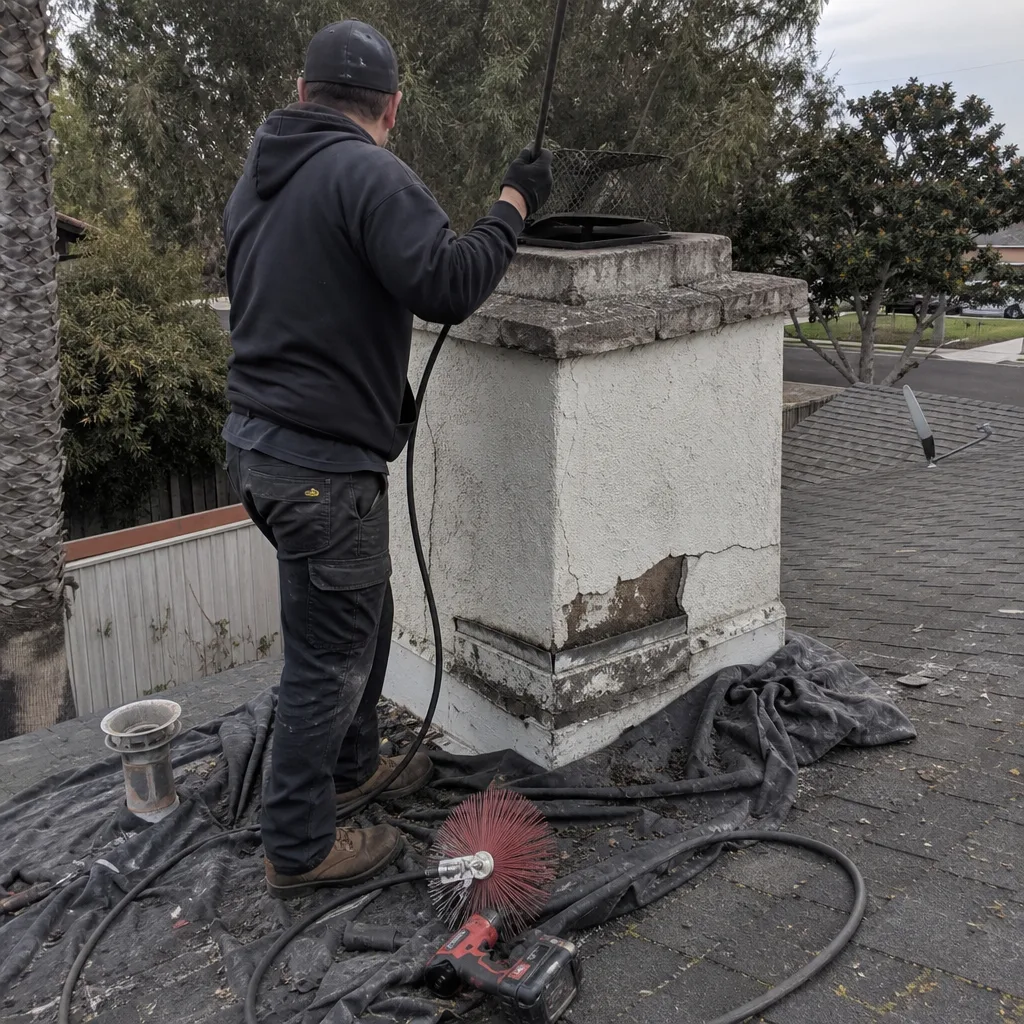 Before
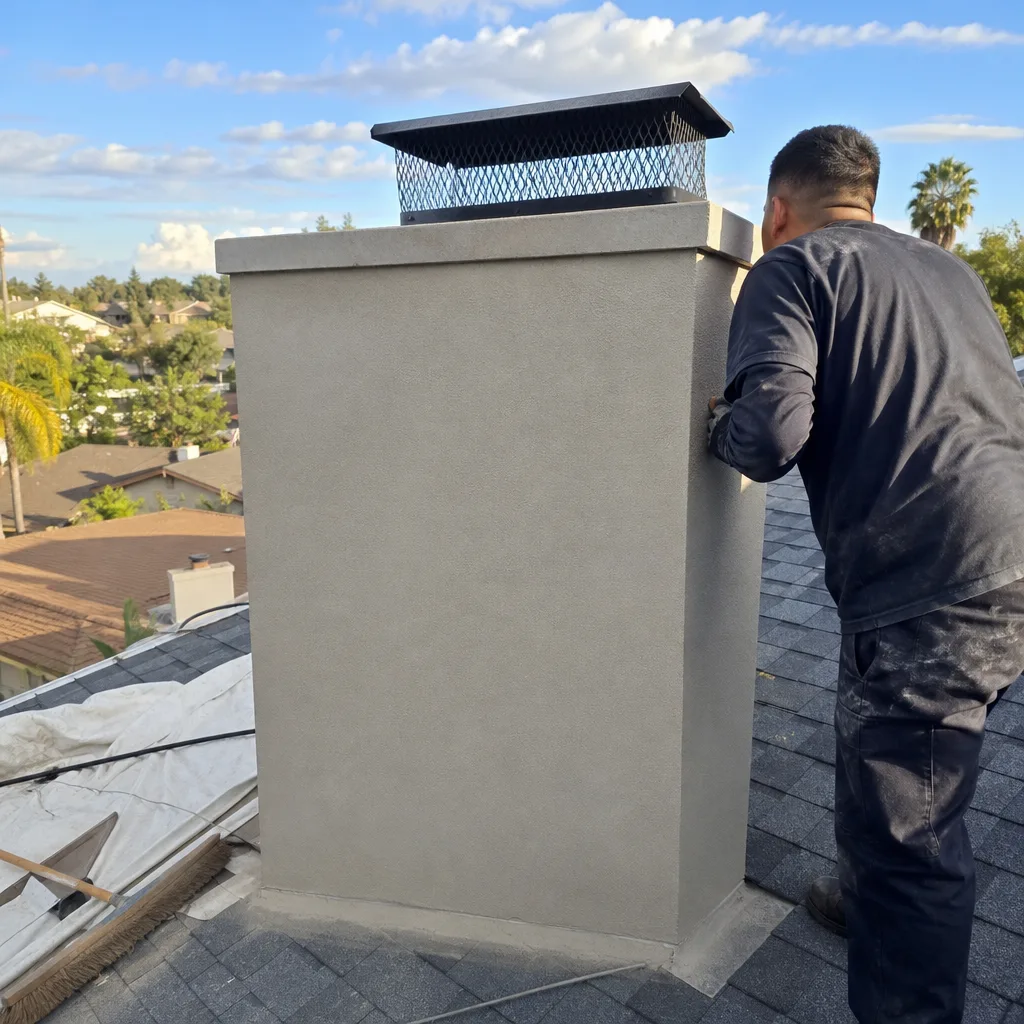 After
After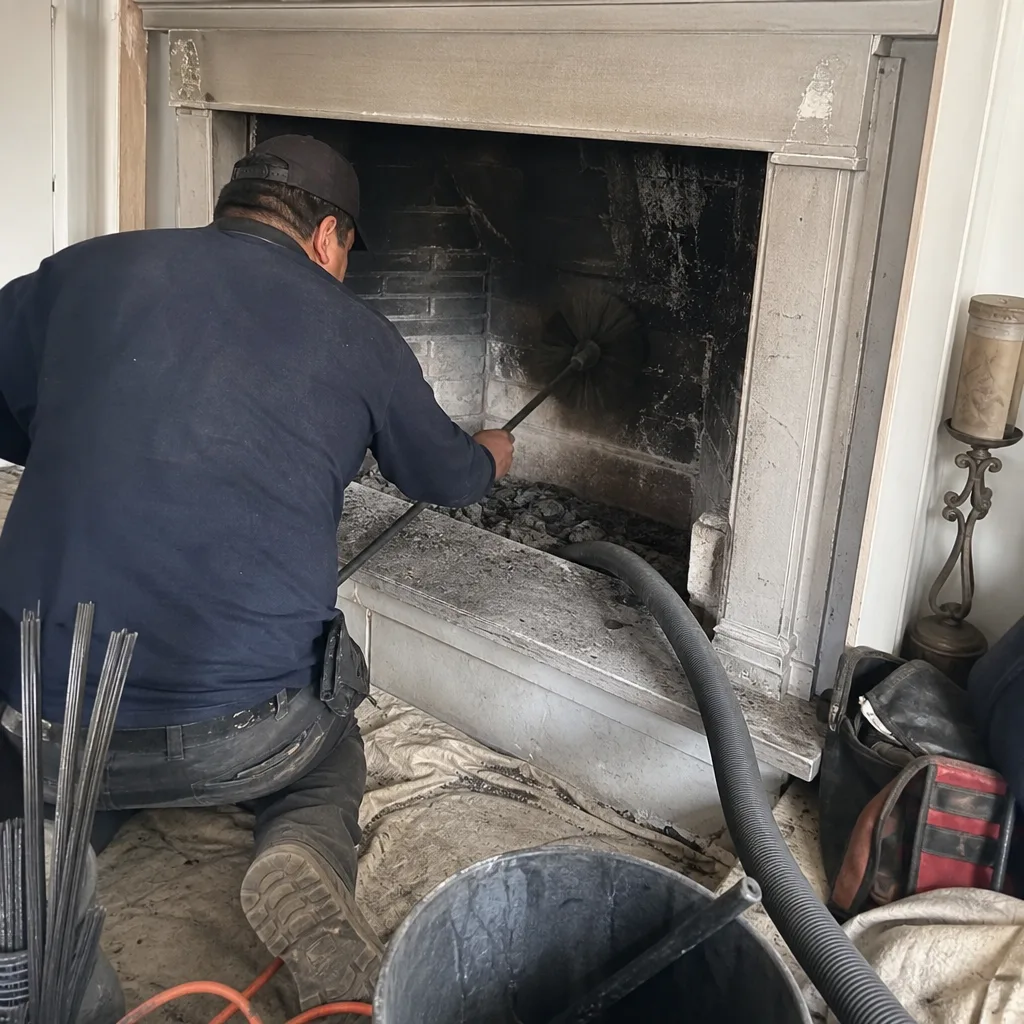 Before
 After
After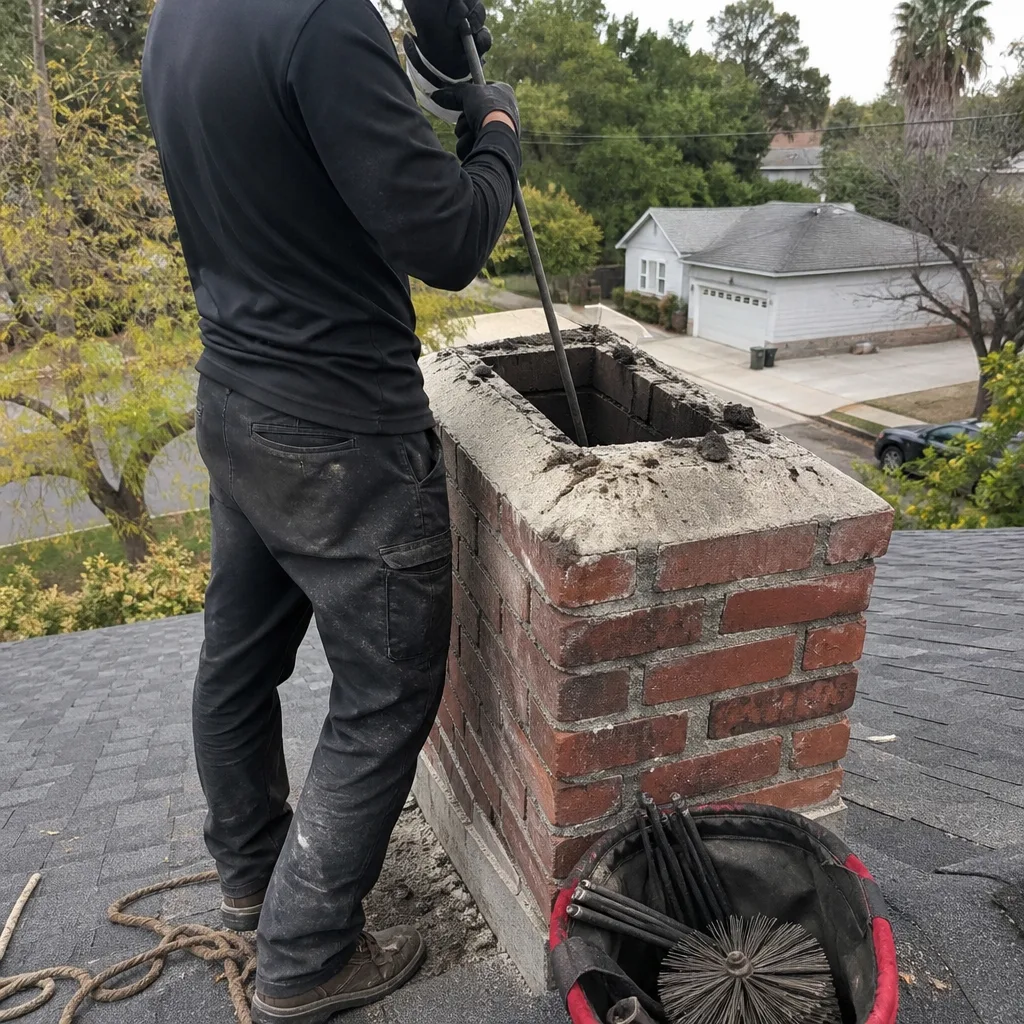 Before
 After
After