
Last updated October 15, 2026
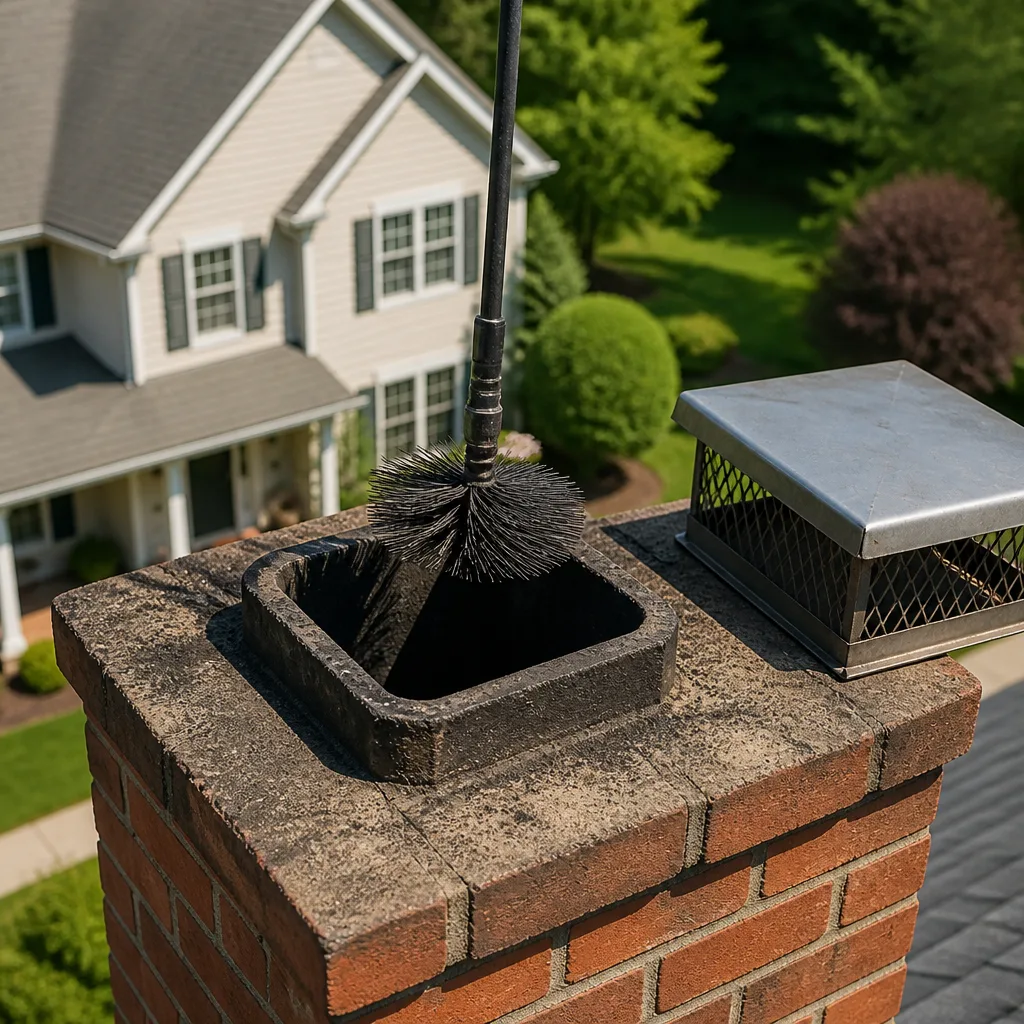 Sweep & inspection
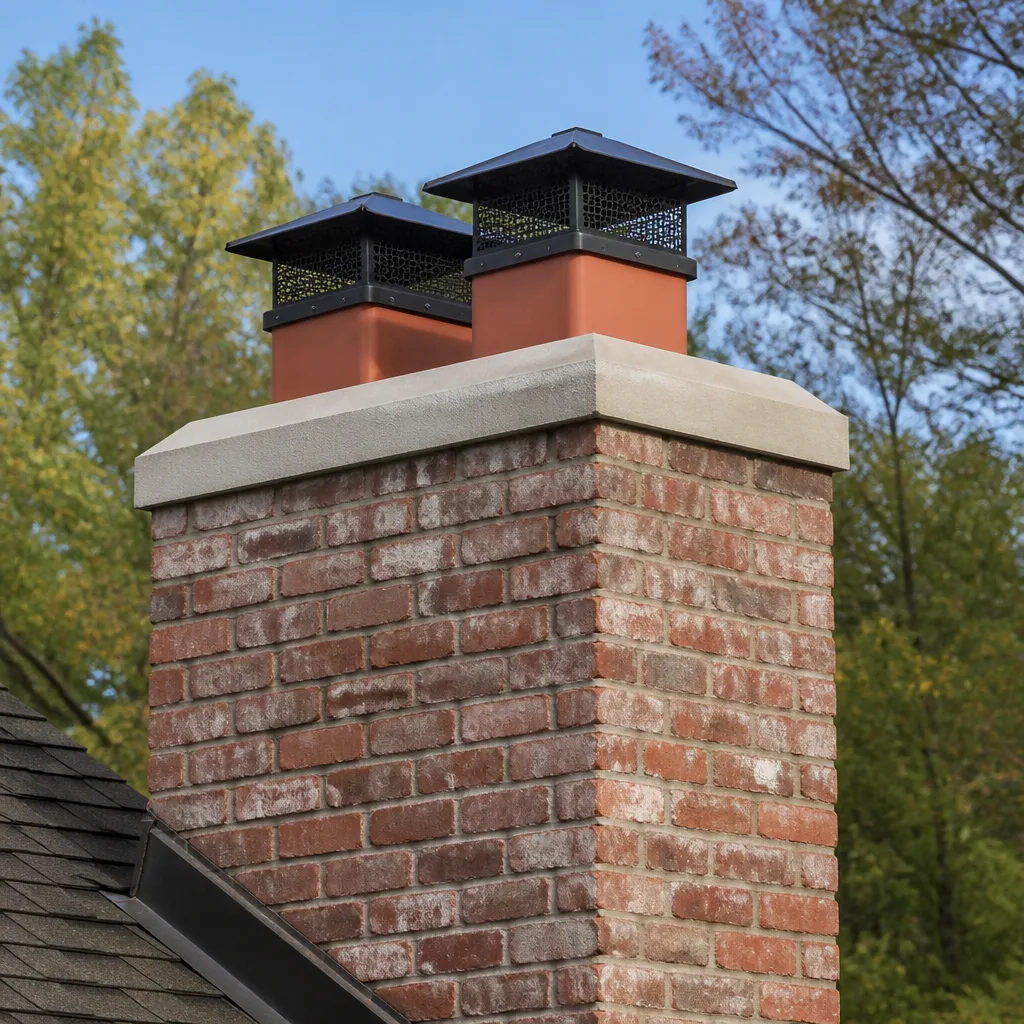 Caps & crowns
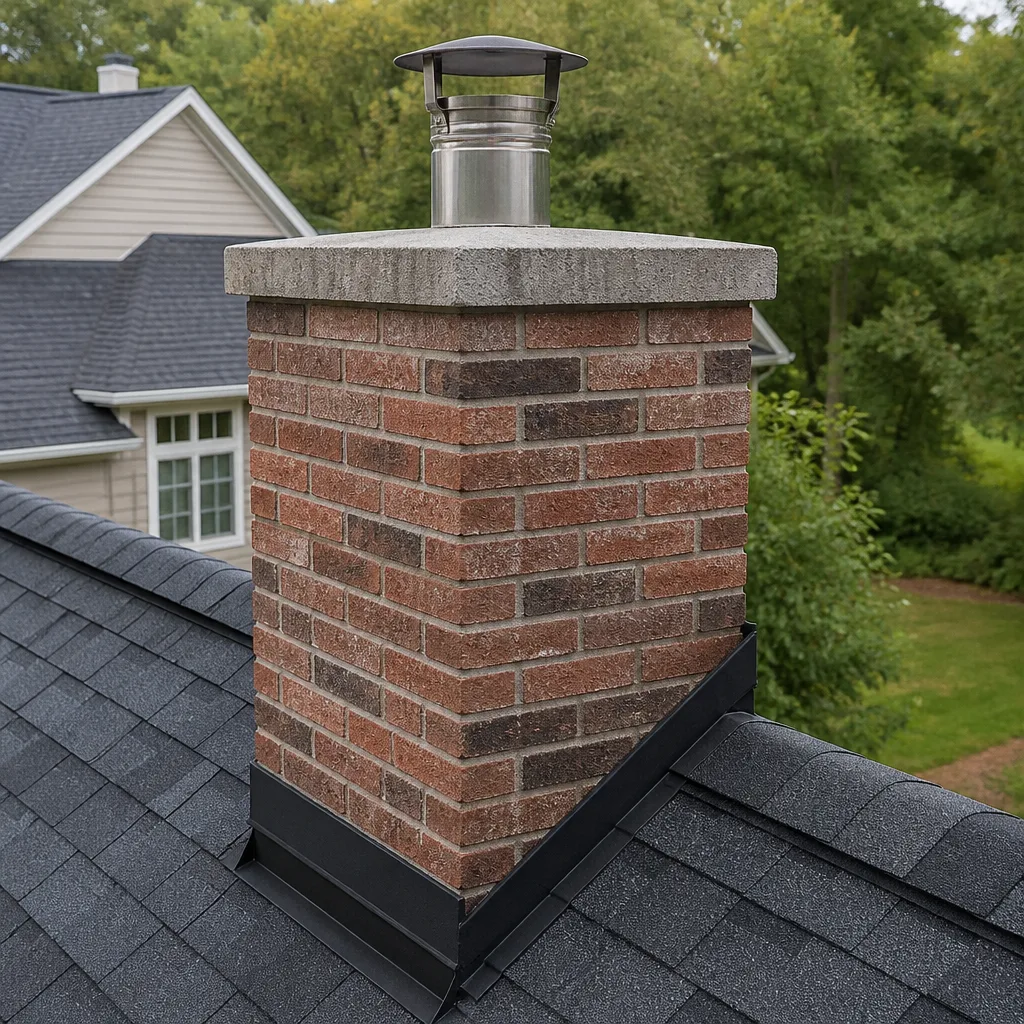 Flue relining
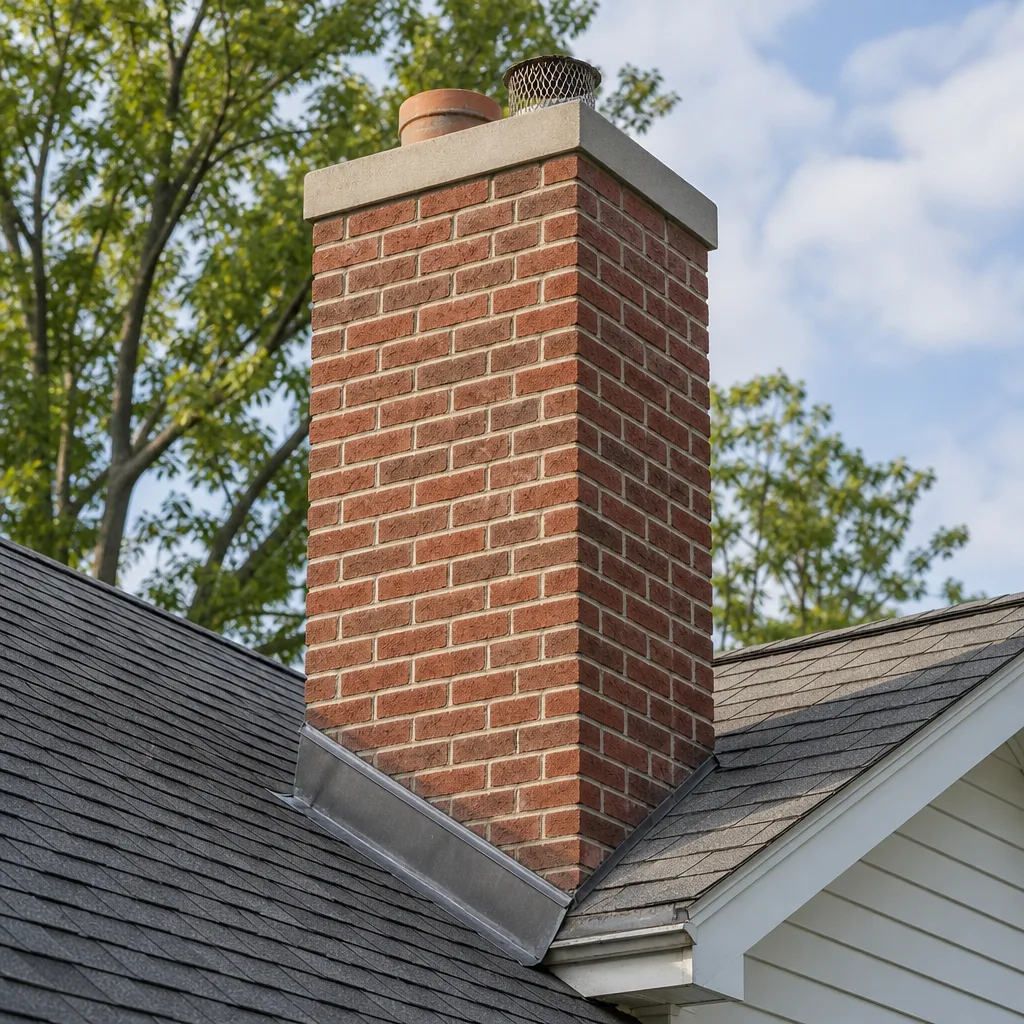 Masonry repair
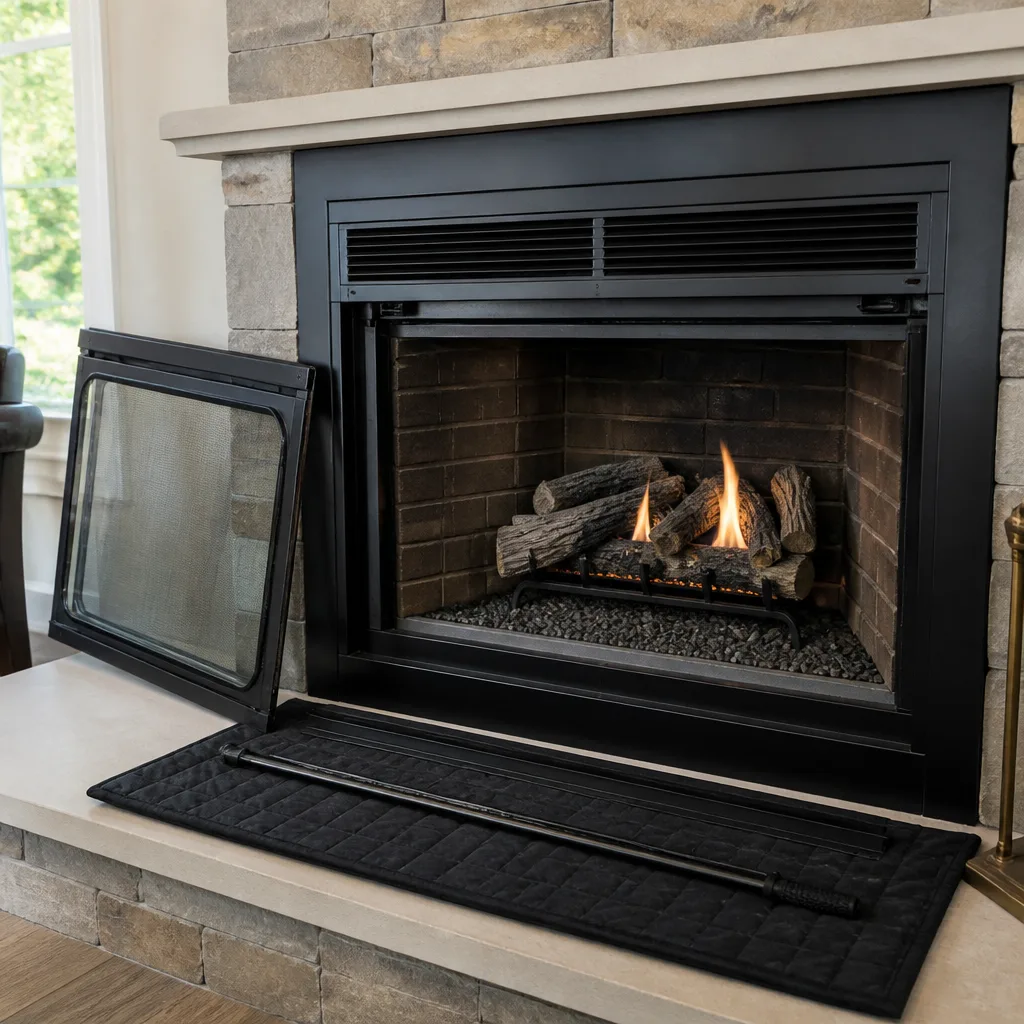 Gas fireplace service
Level 1 sweep and inspection to the NFPA 211 annual standard - flue, crown, cap, and flashing checked and photographed
Chimney sweep logs do not sweep chimneys. They loosen some creosote - which then falls where a brush and vacuum still have to collect it.
The Complete Guide to Chimney Cleaning in Orange County
A chimney that hosted only a dozen fires last season can still carry a Level 2 creosote deposit, because in Orange County’s humid coastal air, even thin soot absorbs moisture and hardens faster than it would in a dry inland climate. Most chimney guides online are written for cold-climate homes that burn wood all winter. This one is different. It’s built for the Southern California homeowner who lights maybe fifteen fires a year and honestly doesn’t know whether that’s enough to need cleaning at all. By the end, you’ll know exactly what “clean” means for your specific chimney here in Orange County, what it should cost, and what a written care promise should include before any technician touches your firebox.
Quick Answer
Chimney cleaning in Orange County typically costs between $189 and $349 for a standard sweep, and most homes need it every 1 to 2 years even with light fireplace use; for help deciding whether to tackle maintenance yourself or call a pro, see our DIY vs Professional Chimney Cleaning: The Orange County Homeowner’s Decision Guide. Gas fireplaces also need cleaning, just differently, and less often. The single biggest factor in Orange County isn’t how many fires you burn, it’s how close you live to the coast.
Styles & brands we work with
Table of Contents
- How Often Should You Clean a Chimney in Orange County?
- Why Coastal Humidity Changes How Creosote Behaves
- Gas Fireplace Cleaning vs. Wood-Burning Cleaning
- What a Professional Chimney Sweep Actually Includes
- What a CSIA-Certified Inspection Checks (vs. a “Free Inspection”)
- How Orange County Cities Differ: Laguna Beach Salt Air vs. Irvine Inland Dryness
- What a Written Care Promise Should Include
- What Chimney Cleaning Costs in Orange County
How Often Should You Clean a Chimney in Orange County?
The standard rule from the National Fire Protection Association says to have your chimney inspected at least once a year and cleaned when creosote buildup reaches 1/8 inch. That rule was written with heavy wood-burning homes in mind. In Orange County, where a fireplace might see fifteen fires between November and February, the honest answer is that most homes need a sweep every 1 to 2 years, and some coastal homes need one annually even with light use.
Here’s the counterintuitive part: low-use fireplaces can actually develop creosote problems faster than high-use ones. When you burn a hot, steady fire, much of the creosote vaporizes or flakes off. When you burn occasional, low, smoldering fires, more creosote condenses on the flue walls. Then it sits there for nine months absorbing moisture from the air. That’s the Orange County pattern we see constantly.
Signs you’re due for a cleaning:
- You notice a smell like asphalt or old barbecue coming from the fireplace, especially on humid days.
- You see dark, flaky deposits on the damper or the firebox walls that come off on your fingers.
- The fireplace is producing more smoke than it used to, or smoke is spilling into the room when you light a fire.
- You hear odd sounds or see droppings from birds or rodents, which often nest in unused chimney flues during spring and summer.
- You can’t remember the last time anyone looked at it, and the previous owner left no records.
If you’ve just moved into a home anywhere in Orange County and you don’t have a chimney service receipt from the prior owner, book an inspection before your first fire. It’s the cheapest way to avoid discovering a blocked flue the hard way.
Why Coastal Humidity Changes How Creosote Behaves
Creosote forms when wood smoke cools and condenses on flue walls. In dry inland climates, it tends to stay fluffy and dry. In humid coastal air, thin soot absorbs moisture and becomes dense, sticky, and much harder to remove. Laguna Beach, Newport Beach, Huntington Beach, and Dana Point homes sit in salt-heavy marine air that can turn a minor deposit into a glazed, tar-like layer called Level 2 creosote in a single off-season.
We’ve swept flues in Laguna Beach that had fewer visible deposits than homes in Santa Ana, but the deposits were so hardened they required rotary cleaning tools rather than standard brushes. The moisture doesn’t just make creosote stickier; it also affects the masonry itself. Salt air finds its way into tiny cracks in brick and mortar, and when combined with creosote acids, it accelerates deterioration of the flue liner. A chimney that would last decades in Riverside County can show liner damage in half that time a block from the ocean.
What this means for you:
- If you live within five miles of the coast, schedule an inspection every year, even if you barely used the fireplace.
- Run a dehumidifier in rooms adjacent to the fireplace if the home feels humid, especially in summer when the marine layer sits for weeks.
- Use seasoned hardwood, which burns hotter and produces less creosote than softwood or manufactured logs.
- Don’t skip a sweep just because your chimney “looks fine” from the firebox. The first six feet of flue above the damper is where the worst deposits hide.
Gas Fireplace Cleaning vs. Wood-Burning Cleaning
Gas fireplaces and gas log sets are not maintenance-free. They don’t produce creosote, which is true. But they do produce a fine, white, acidic particulate that settles on glass, logs, ember beds, and the interior of the flue. They also generate water vapor, which comes from the combustion of natural gas. In a home near the coast, that moisture condenses inside a cooler flue and contributes to masonry degradation over time.
What a gas fireplace cleaning involves:
- Removing and cleaning the glass front with non-abrasive cleaner, checking the gasket for splits.
- Vacuuming soot and particulate from the log set, ember bed, and burner ports.
- Checking the burner for corrosion or blocked ports that cause uneven flame patterns.
- Inspecting the flue for moisture damage, animal nesting, or debris.
- Testing the damper operation and gas valve function.
Wood-burning fireplace cleaning is more involved. Standard tools include wire brushes sized to your flue, a HEPA-filtered vacuum, drop cloths, and in some cases rotary whips for glazed creosote. The process removes creosote from the firebox, smoke shelf, damper, and the full flue run. Then the technician should run a camera inspection to verify the flue is clean and check for hidden damage.
If you have a gas insert installed inside an old wood-burning fireplace, you still need the underlying chimney inspected. The insert’s metal vent pipe runs through the old flue, and gaps, nesting, or deteriorated masonry can create real problems that are invisible from the living room.
What a Professional Chimney Sweep Actually Includes
A real chimney cleaning in Orange County is not just running a brush up and down. If that’s all a company does, they’re not doing the job. Here’s the sequence a thorough sweep follows, step by step:
- Site protection: Shoe covers go on at the door. Drop cloths go down in front of the hearth and extend into the room. Furniture near the fireplace is moved only with your permission. The goal is that you won’t find a single soot smudge after the crew leaves.
- System check: The technician looks at the cap, crown, flue, damper, firebox, and hearth before anything is swept. This identifies blockages, animal entry, water damage, or structural issues early.
- Flue measurement: The flue gets measured to confirm the correct brush size. Using the wrong brush size is a common shortcut that leaves deposits behind.
- Mechanical sweeping: A properly sized brush runs the full flue length, from the firebox up through the termination or from the roof down, depending on the setup. Glazed creosote may require rotary loops instead.
- Smoke shelf and damper cleaning: The most overlooked areas. Soot accumulates on the smoke shelf in heavy layers and can block the damper’s movement.
- Firebox cleanup: Ash and debris are vacuumed from the firebox floor and walls, and the damper is wiped clean.
- Disposal: All soot is removed in sealed containers. Nothing goes into your household trash.
- Final camera check: A camera runs the flue to confirm it’s clean end to end and to document the condition of the liner. You should receive photos.
A professional sweep should also give you a written summary of what was found, what was done, and whether anything needs monitoring or repair-our How to Hire a Chimney Cleaning Contractor in Orange County: A Step-by-Step Guide explains exactly what documentation to demand. If you leave the appointment with no documentation, you don’t really know what was done.
What a CSIA-Certified Inspection Checks (vs. a “Free Inspection”)
A CSIA-certified inspection follows a defined standard. It’s not the same thing as the “free inspection” some companies advertise as a way to get a technician into your living room with a sales target. The free inspection typically looks at the firebox, maybe shines a flashlight up the flue, and produces a quote for a liner or a rebuild. The CSIA process is structured, thorough, and documented.
A Level 1 inspection covers the readily accessible areas of the chimney and is done when nothing has changed since the last service. A Level 2 inspection adds a camera scan of the flue interior and is required when you’re buying or selling a home, after a chimney fire, after an earthquake, or when a new appliance is installed. A Level 3 inspection is invasive and only done when a serious problem is suspected.
The key difference: a CSIA-certified inspection comes with a report and photos. You can see the condition of the liner with your own eyes. A sales-target “free inspection” comes with a pitch and a number. We’ll always show you the camera footage before we talk about any repair. No one should recommend a new liner to you without camera evidence that you’ve watched yourself.
Ask any chimney company in Orange County one question before booking: “Will I see the camera footage?” If the answer is anything but an immediate yes, book someone else.
How Orange County Cities Differ: Laguna Beach Salt Air vs. Irvine Inland Dryness
Orange County is not one climate. It’s a patchwork of microclimates, and they affect chimneys differently. Here’s what we’ve observed after years of working in these communities:
Coastal cities, Laguna Beach, Newport Beach, Huntington Beach, Corona del Mar: Salt-heavy marine air sits on these homes year-round. Creosote absorbs moisture and hardens quickly. Brick and mortar deteriorate faster. Chimney caps rust sooner. An annual inspection is advisable even if you almost never use the fireplace.
Central cities, Costa Mesa, Fountain Valley, Santa Ana, Tustin: Less salt, more inland air. Chimneys here fall into the standard 1 to 2 year rotation. But if you live in an older tract home with an original masonry chimney, have the mortar joints checked. Many of these homes were built in the 1960s and 1970s, and the mortar is reaching the end of its natural life.
Inland cities, Irvine, Lake Forest, Mission Viejo, Rancho Santa Margarita: Dry air, bigger temperature swings. Wood-burning chimneys here tend to show lighter, flakier creosote that’s easier to remove. But dry air also means more static-dust buildup in unused flues, which can block airflow. And the newer tract homes in these cities often have factory-built fireplaces that need different tools and care than masonry chimneys.
Hillside and canyon homes, Silverado Canyon, Trabuco Canyon, Anaheim Hills: These areas sit in wildfire-adjacent zones. Ember intrusion into chimneys is a real concern. A spark arrestor cap is not optional here. It’s part of responsible fire season preparation.
Your address changes the advice. That’s why a chimney cleaning in Orange County should never be a one-size-fits-all service. The technician should know your neighborhood’s air, salt load, and typical home age before they even ring the doorbell.
What a Written Care Promise Should Include
Before any technician touches your firebox, you should have a written promise that covers three things: the price, the clean-up, and the craftsmanship. If a company can’t put those in writing, you’re relying on hope.
Here’s what to look for:
- The exact price in writing before the work starts. Not an estimate range. Not “we’ll see when we get in there.” A fixed number, on paper, before the first brush touches your flue. If the technician finds something unexpected, the new price gets written and approved by you before any new work happens.
- A specific statement about clean-up. How will your floors be protected? What happens to the soot? Will furniture be moved? When you have kids and pets, the clean-up matters as much as the sweep itself. The clean-up commitment should be specific: drop cloths, shoe covers, sealed disposal, photo proof.
- A craftsmanship guarantee with a defined term. “We stand behind our work” is not a guarantee. Ask what it means in days. A real promise says something like: if the work isn’t right, we make it right, for 365 days, no fine print. That’s the standard we use at Kindling Chimney Orange County because Danny Cortes set it that way from day one. We call it the 365-Day Done Right Promise, and it’s in writing on every job.
- Who is actually entering your home. Background-checked, uniformed technicians only. You should know the name of the person at your door and the company they represent. Not a subcontractor you’ve never heard of.
The Cedarwell Care Promise is our company’s written standard: shoe covers and drop cloths go down on arrival, nothing gets moved without asking, a photo of the clean-up is taken before the crew leaves, and the price is written before work begins. That’s what a care promise looks like. If another company can’t show you theirs in writing, that’s your answer.
What Chimney Cleaning Costs in Orange County
Standard chimney sweeping in Orange County runs between $189 and $349 for a typical single-flue wood-burning fireplace with accessible roof or bottom access. That price should include the full sweep, the firebox cleanup, and a basic inspection. Camera inspections of the flue interior typically add $99 to $199 depending on the system.
Here’s the honest cost breakdown you should expect:
| Service | Typical Orange County Price Range |
|---|---|
| Standard chimney sweep (wood-burning, single flue) | $189 – $349 |
| Gas fireplace cleaning and service | $129 – $249 |
| Level 1 inspection (included with most sweeps) | $0 – $99 |
| Level 2 camera inspection | $99 – $199 |
| Chimney cap replacement | $149 – $449 installed |
| Minor damper repair | $149 – $329 |
| Flue liner resurfacing (HeatShield) | $2,500 – $6,500 depending on flue size |
If a quote comes in dramatically below these ranges, ask what’s being skipped. A $79 chimney sweep in Orange County is cutting corners somewhere: no drop cloths, no camera, no damper cleaning, no smoke shelf work. You’re not saving money; you’re paying for an incomplete job.
If a quote comes in dramatically above, ask for the camera footage that justifies the price. A company recommending a new liner should show you, on screen, exactly where the old liner has failed. At Kindling, we don’t recommend liner work like HeatShield or DuraFlex replacements unless you’ve seen the damage yourself. And we’ll tell you plainly when the chimney is in acceptable shape and nothing needs to be done. Sometimes the most honest thing a chimney company can tell you is that you can wait.
For an exact quote on your home, call our chimney sweep service in Orange County at (831) 217-7981. Estimates are free, and the written price covers the whole job, no surprises at the door.
Common Mistakes to Avoid
- Skipping annual inspections because you rarely burn. Orange County’s humid air turns even light soot into hardened deposits during the off-season. A yearly look costs less than a liner replacement.
- Using water-based creosote sprays as a substitute for sweeping. These products claim to break down deposits, but in coastal humidity they often make sticky creosote stickier. They’re not a replacement for mechanical removal.
- Burning unseasoned wood from a big-box store. Seasoned means moisture below 20%. Much of the wood sold in Orange County grocery store parking lots is wet and green. Wet wood produces more creosote, faster.
- Ignoring the damper. A damper that doesn’t fully open or close changes the airflow in your flue and accelerates deposit formation. It’s a five-minute fix when caught early.
- Accepting a liner recommendation without camera footage. In Orange County this is the most common over-selling tactic. If the company can’t show you the liner on camera, you don’t need to replace it on faith.
- Loading the firebox with too many manufactured logs. Those compressed sawdust logs burn fine, but burning three at once creates an intense, prolonged heat that stresses the flue. One at a time, please.
- Blocking the firebox with decor during the off-season. Candles, dried flowers, or screens placed inside the firebox trap moisture and invite spiders and rodents. Keep the firebox clear, and leave the damper closed but not locked.
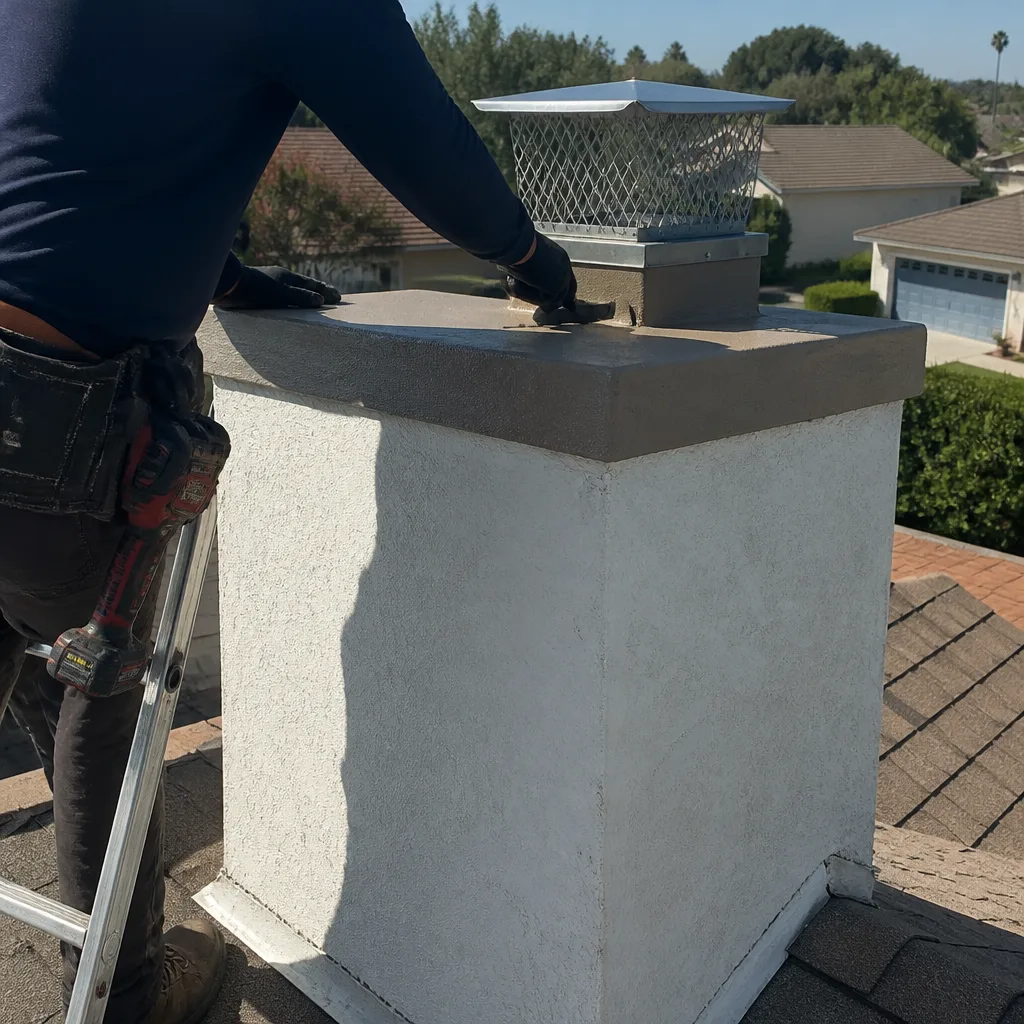
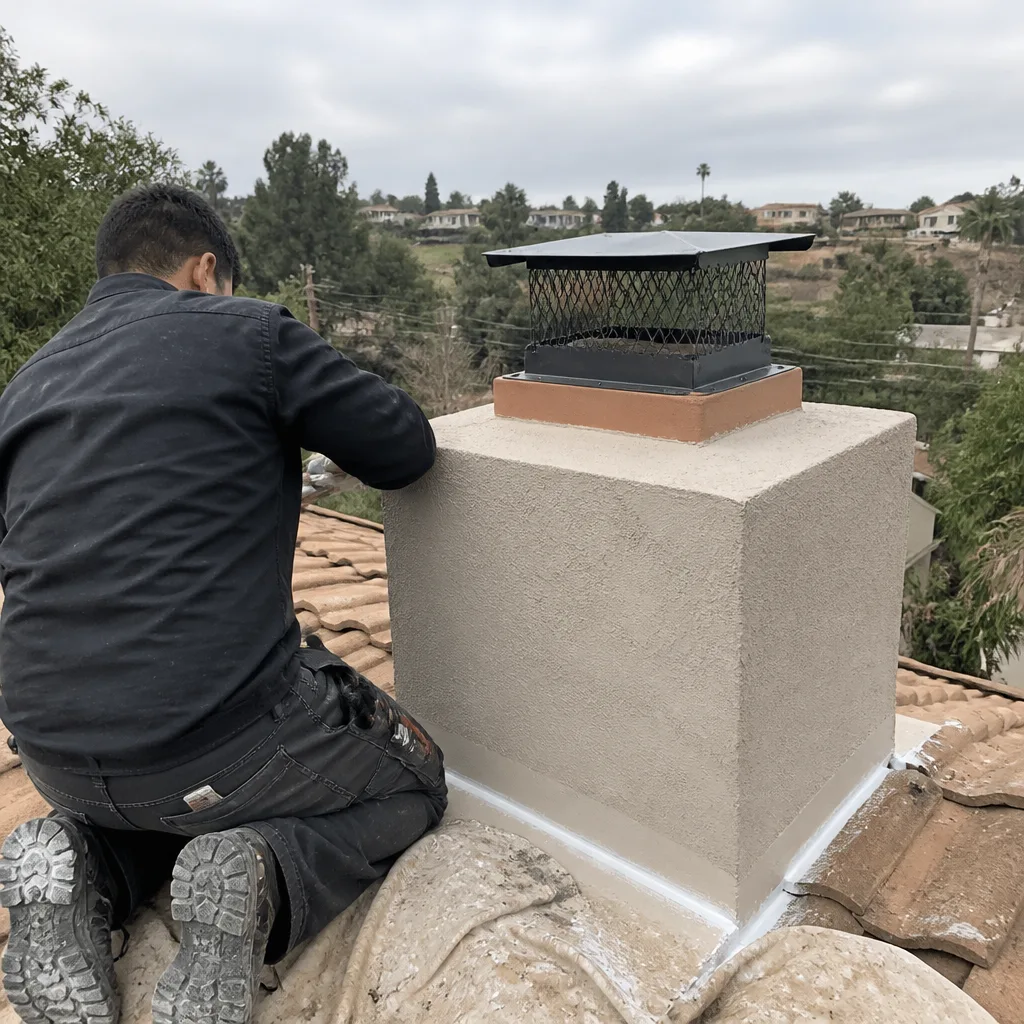
See the difference
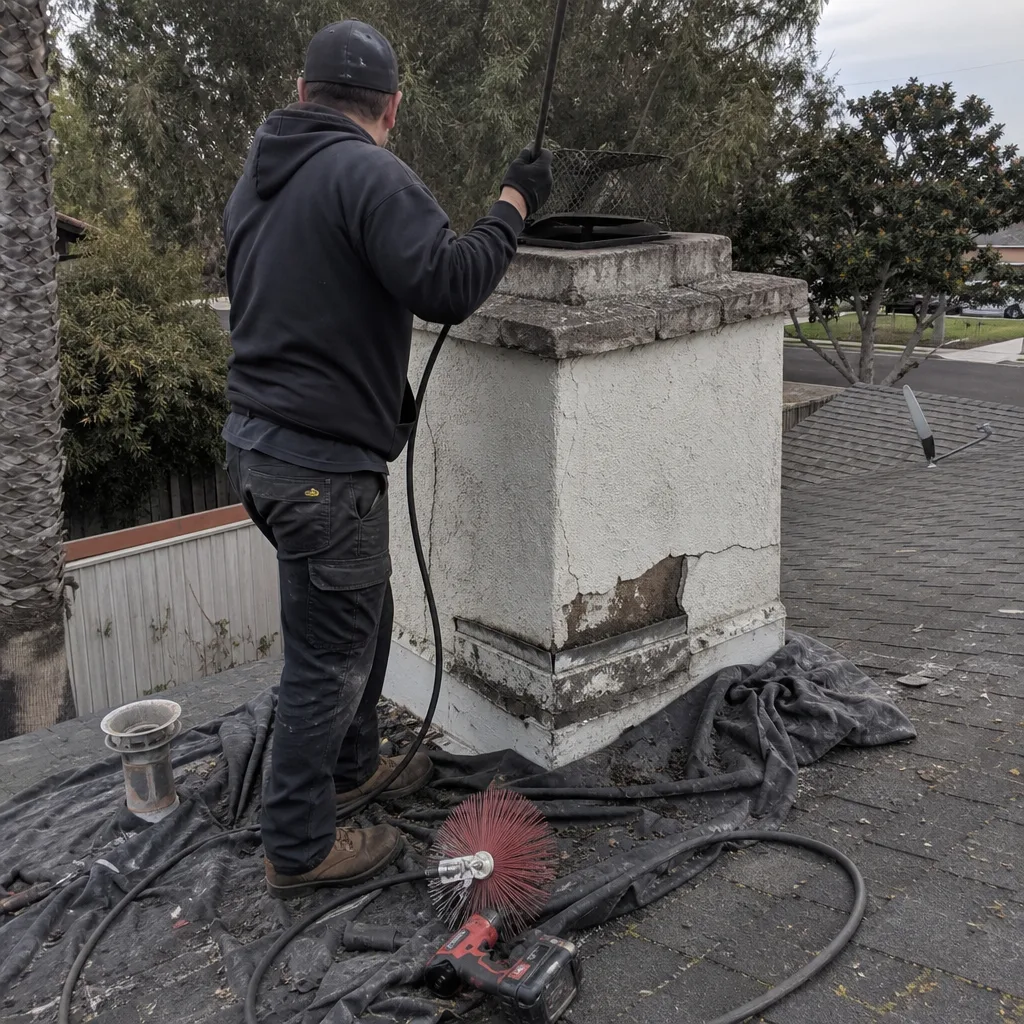 Before
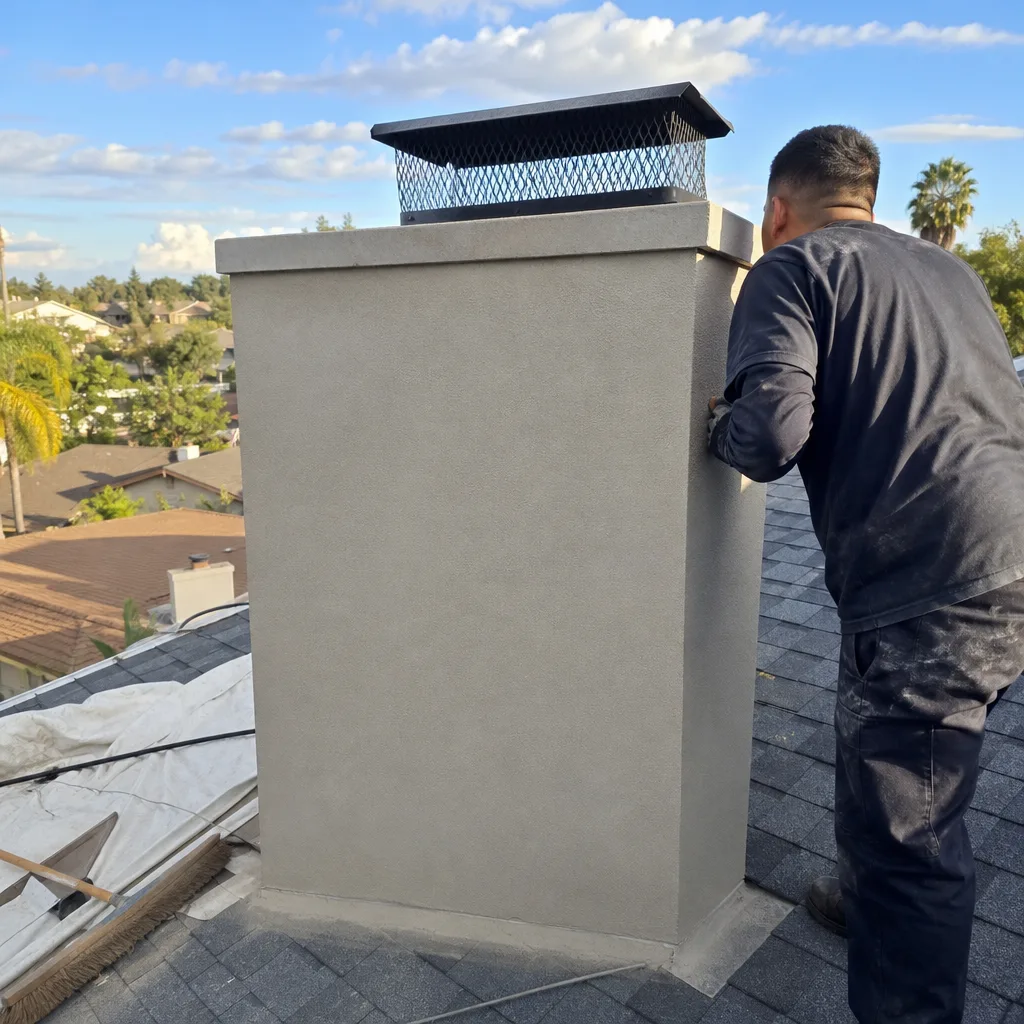 After
After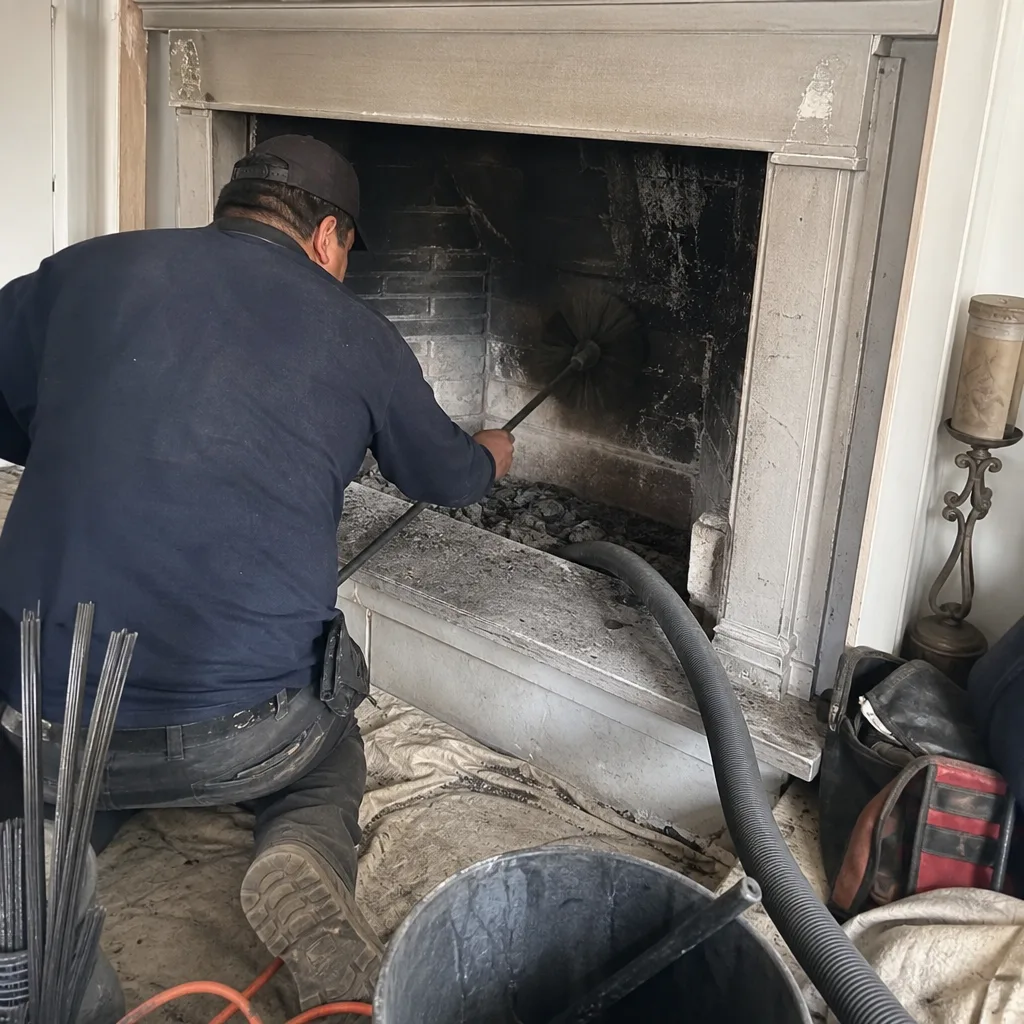 Before
 After
After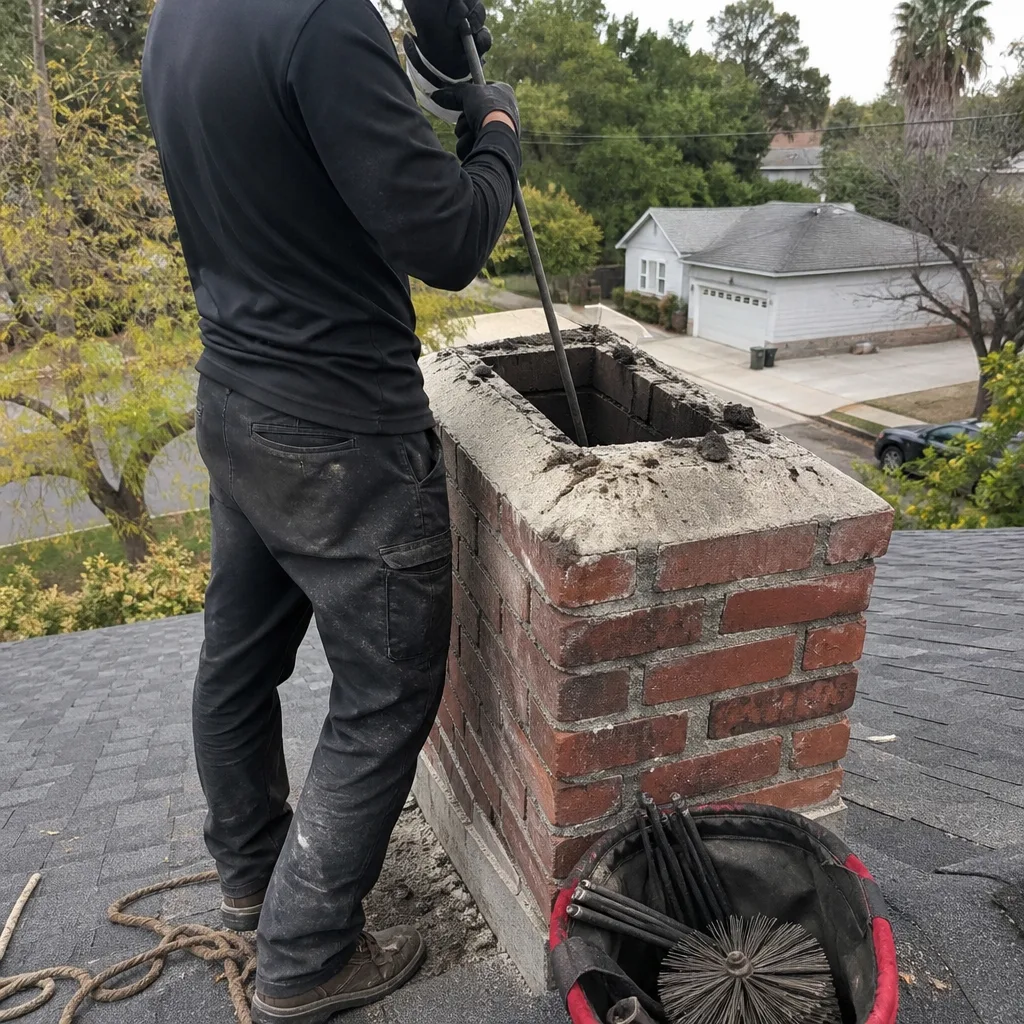 Before
 After
AfterWhen to Call a Professional
Call a chimney professional if you smell something burning that isn’t wood, if smoke spills into the room when you light a fire, if you notice dark staining on the wall above the fireplace or ceiling near the chimney, if you hear animals in the flue, or if it’s been more than two years since anyone inspected the system. These are signs of a real problem, not inconvenience. Kindling Chimney Orange County offers free estimates anywhere in Orange County. Call (831) 217-7981 and a live person will answer, any hour, any day. We’ll give you a written price, show you camera footage if an inspection is needed, and leave your floors as clean as we found them.
Frequently Asked Questions
A standard wood-burning chimney sweep in Orange County costs between $189 and $349, with gas fireplace cleanings running $129 to $249. Camera inspections add $99 to $199. The exact price depends on flue size, access, and the level of creosote present. Call (831) 217-7981 for a written quote on your specific fireplace, free of charge.
In Orange County, every 1 to 2 years for wood-burning fireplaces, and every 2 to 3 years for gas units, with annual inspections for coastal homes. Your address matters more than your fire count. A Laguna Beach home near the salt air needs more frequent attention than an inland Irvine home with the same fireplace use.
Yes. Gas fireplaces produce acidic particulate and water vapor that corrode burners, cloud glass, and contribute to flue moisture. The glass should be cleaned and the log set serviced every 2 to 3 years, and the underlying chimney should still have an annual visual inspection. Call us at (831) 217-7981 and we’ll tell you exactly what your gas fireplace needs.
You need a new liner when the existing one has failed, and the only way to confirm that is with camera footage you can see yourself. A cracked clay tile, a separated joint, or a perforated metal liner are all visible on camera. If a company recommends a liner without showing you footage, get a second opinion. We use HeatShield and DuraFlex products when liner work is genuinely required, and we’ll show you the proof before we quote it.
Over time, creosote accumulates and hardens. The flue narrows, restricting airflow and reducing drafting efficiency. Hardened creosote is combustible, and in a chimney fire it burns intensely, potentially damaging the liner and surrounding structure. In Orange County’s humid coastal air, thin deposits become glazed deposits faster than you’d think. A $200 sweep is cheaper than a $4,000 liner replacement. For a free estimate, call (831) 217-7981.
Only if the inspection comes with camera footage and no pressure. Many free inspections in Orange County are sales calls in disguise, designed to pitch a liner or a rebuild. A real company will show you the flue on camera and give you an honest report, whether or not any work is needed. That’s how our chimney inspection in Orange County service works.
The Bottom Line
Chimney cleaning in Orange County is about more than fire count. The marine layer, salt air, and microclimate differences between Laguna Beach and Irvine all shape how fast creosote forms and how quickly a chimney deteriorates. A low-use fireplace isn’t a low-maintenance one. The practical takeaway: get an inspection every year or two, pay between $189 and $349 for a proper sweep, always ask for camera footage before any liner recommendation, and work with a company that puts its care promise in writing. Kindling Chimney Orange County has served families across Orange County since 2003 with written pricing, background-checked technicians, and the 365-Day Done Right Promise on every job. For your free estimate, call our Orange County chimney team at (831) 217-7981, or read more about our fireplace repair service if your fireplace needs more than a sweep.
Written by Danny Cortes, Owner at Kindling Chimney Orange County, serving Orange County since 2003.