
Last updated October 15, 2026
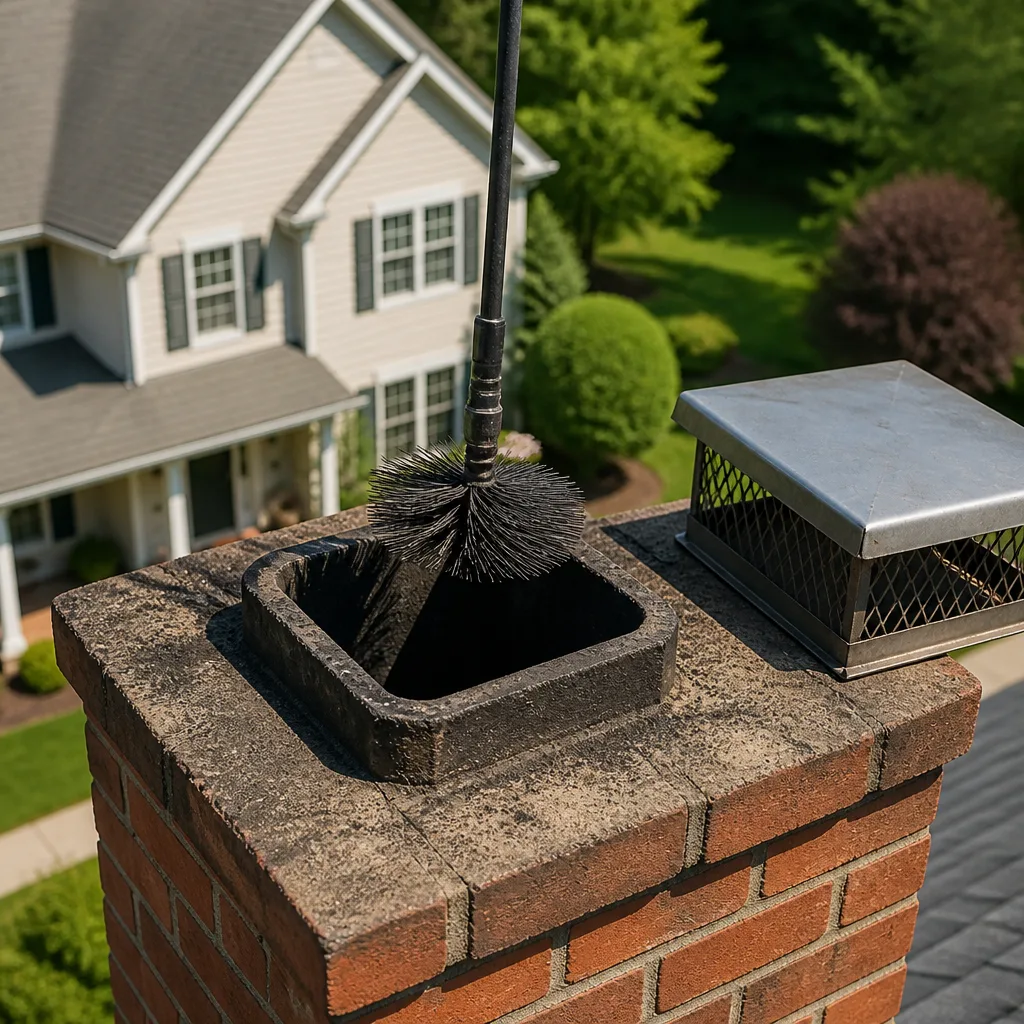 Sweep & inspection
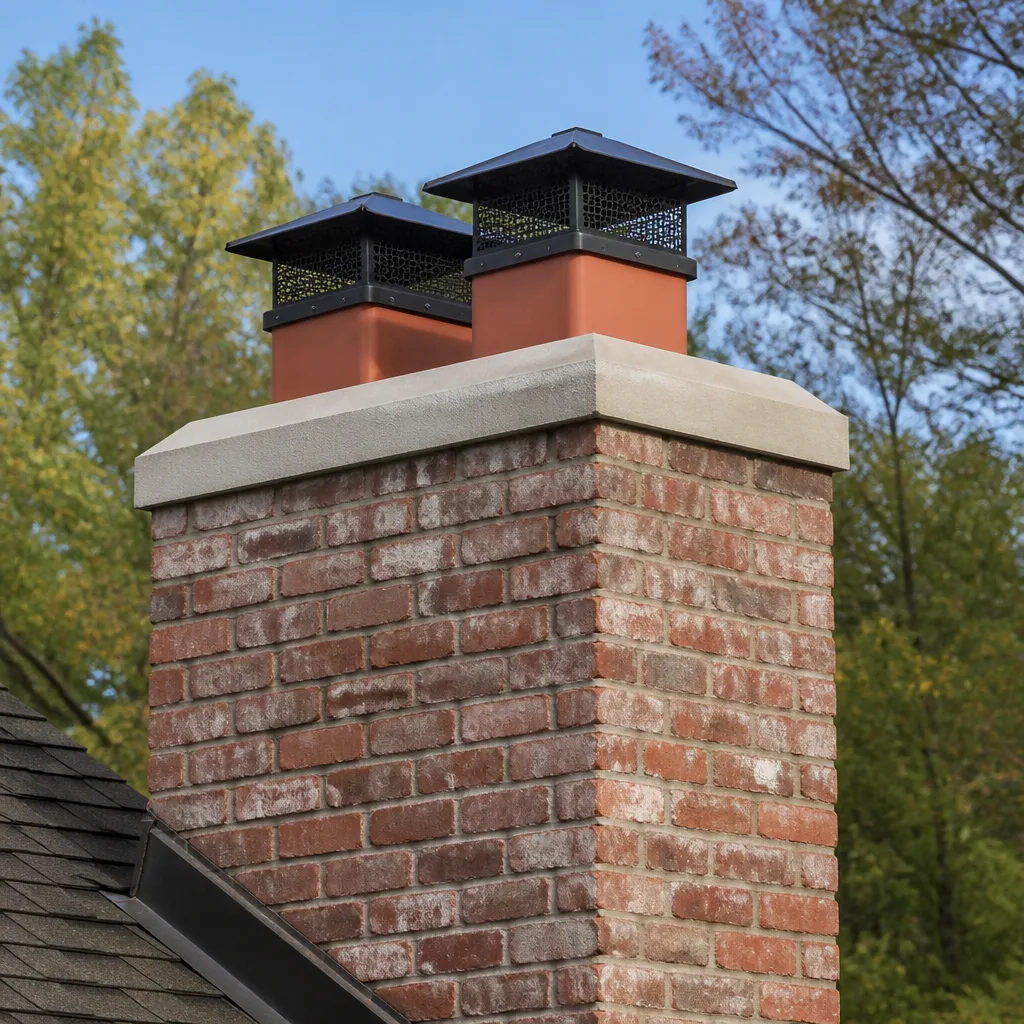 Caps & crowns
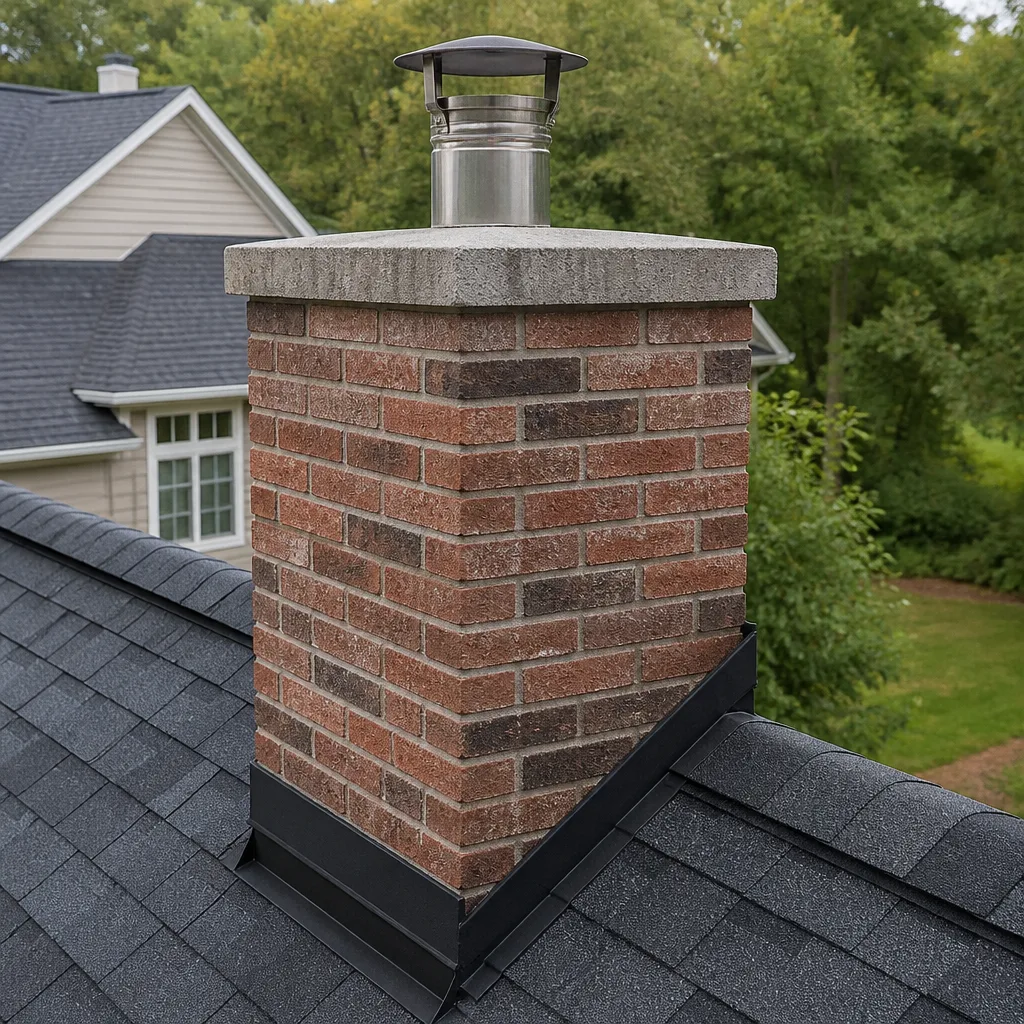 Flue relining
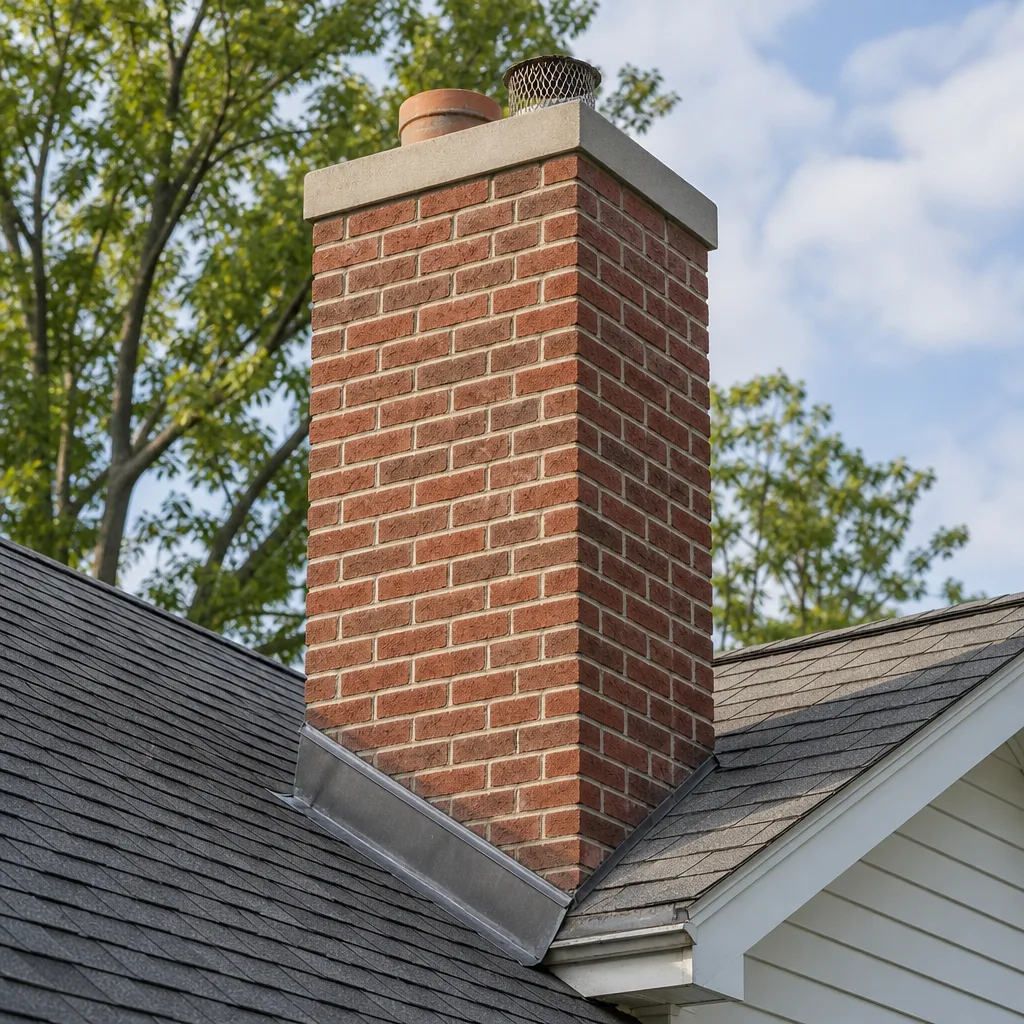 Masonry repair
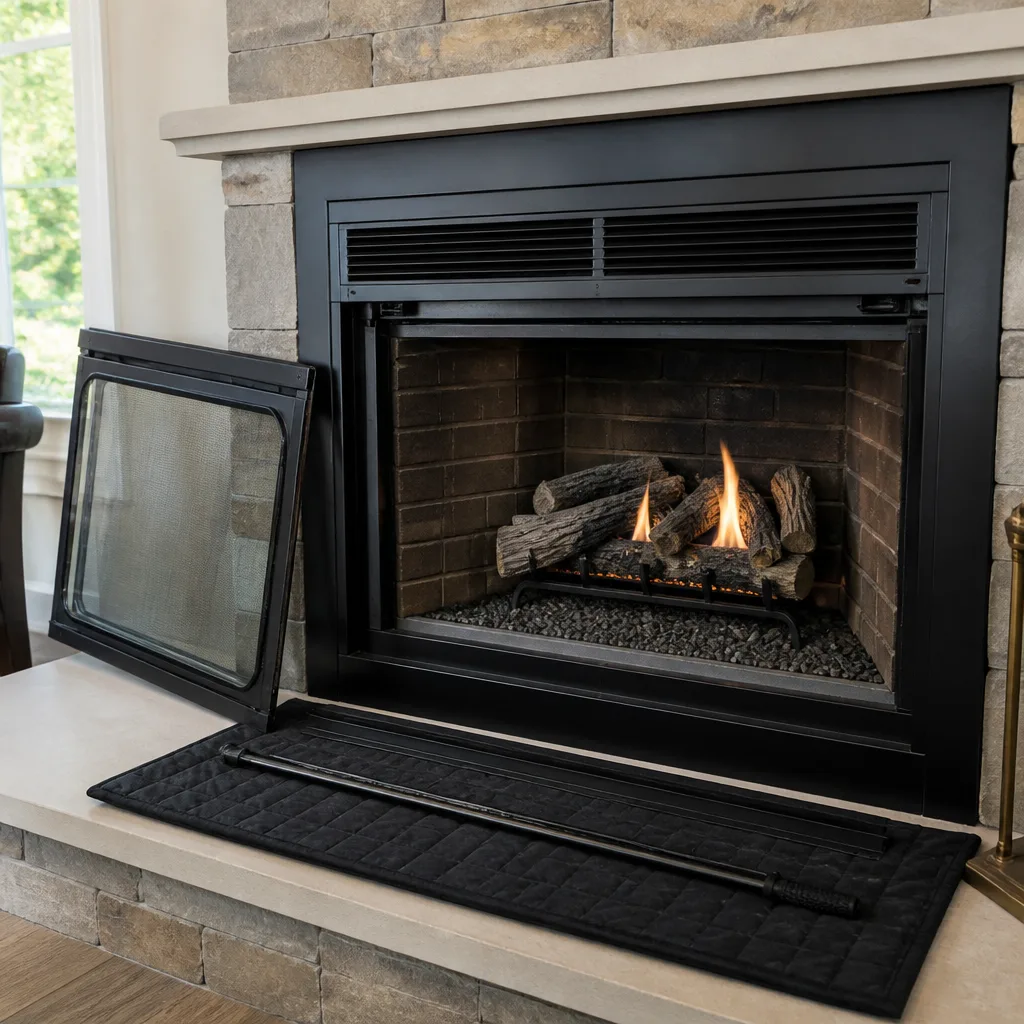 Gas fireplace service
Level 1 sweep and inspection to the NFPA 211 annual standard - flue, crown, cap, and flashing checked and photographed
Chimney sweep logs do not sweep chimneys. They loosen some creosote - which then falls where a brush and vacuum still have to collect it.
Chimney Sweep Maintenance Checklist for Orange County Homeowners
Most Orange County homeowners think of chimney maintenance as a once-a-year sweep before the holidays. That’s fine as far as it goes, but it misses something specific to living here: our fireplaces sit dormant for months at a time while Santa Ana winds, coastal salt air, and wildfire ash work on the flue from the outside. The maintenance that actually prevents damage in Orange County is a short, observable routine you can do from inside the house without any tools. This guide lays out exactly what to check, what each finding means, and what you can safely put off versus what needs a call.
Styles & brands we work with
Quick Answer
A solid chimney maintenance checklist for Orange County homeowners includes a monthly visual check of the firebox and damper, a debris check after every Santa Ana wind event, an annual chimney sweep and inspection by a certified professional, and separate care tracks for gas log and wood-burning systems. Most of what prevents expensive repairs is not the annual sweep itself but the 10 minutes a month spent noticing creosote, moisture, rust, or animal debris before it compounds.
Table of Contents
- The Monthly 10-Minute Chimney Checklist
- The Post-Santa-Ana Wind Check That Prevents $900 Repairs
- Gas Log vs. Wood-Burning: Two Different Maintenance Tracks
- The Room-by-Room Observation Guide
- Rainy-Season Moisture Checks for Orange County Homes
- Documenting Your Chimney’s Condition Over Time
- Three Checklist Items That Protect Pets and Children
- Common Mistakes to Avoid
- When to Call a Professional
- Frequently Asked Questions
- The Bottom Line
The Monthly 10-Minute Chimney Checklist
This is the routine we recommend to every homeowner in Orange County, whether you burn one fire a year or forty. It takes ten minutes, requires no tools, and catches the majority of problems we see on service calls before they become expensive. Do it on the first weekend of every month, even in summer when the fireplace is dormant.
- Look up the flue with a flashlight. Shine it from the firebox upward at a slight angle. You are looking for any obstruction, animal nesting material, or a black, shiny buildup on the flue walls. A dull gray or brown coating is normal; shiny, tar-like glaze is creosote and should be addressed.
- Feel the damper operation. Open and close it fully. It should move smoothly with resistance but no grinding. If it sticks, rusts, or does not seal completely, moisture is getting in and you should note it.
- Smell the firebox. With the damper closed, lean in and take a normal breath through your nose. A mild ash smell is normal. A sharp, acrid smell after rain, or a sour, organic odor, means moisture is combining with creosote or debris is decomposing somewhere in the system.
- Check the firebox floor and walls. Look for crumbling mortar, cracked firebrick, or white efflorescence (a powdery mineral deposit that signals water intrusion). Note any changes from the previous month.
- Look at the hearth and surrounding floor. Loose tiles, cracked hearth stones, or gaps where the hearth meets the floor can let embers reach combustible material. This is a safety issue that needs prompt attention.
- Check the exterior from the ground. Walk outside and look at the chimney crown and cap. You are checking that the cap is still in place and that there is no visible cracking in the crown or missing mortar between bricks at the top courses.
Each of these checks tells you something specific. The flashlight check is about creosote and obstructions. The damper check is about moisture and draft. The smell check is about what is happening inside the flue when the house is closed up. The hearth check is about fire safety. None of these require a ladder, a camera, or any special knowledge beyond what you have just read.
We know this sounds like a lot, but after two months it becomes a quick sweep of the eyes and hands. The families we work with in Orange County tell us that this monthly habit is what finally gave them a real sense of what a clean, safe fireplace should look like, instead of guessing until the annual chimney sweep in Orange County appointment rolled around.
The Post-Santa-Ana Wind Check That Prevents $900 Repairs
The single most common skipped maintenance task in Orange County is not the annual sweep. It is the ten-minute check after a Santa Ana wind event. Those winds move dry air, dust, and debris through the county at 40 to 60 miles per hour, and every uncovered or loosely capped chimney is a collection point for whatever is blowing. We’ve opened fireplaces in Anaheim Hills and Orange after a strong Santa Ana and found dry leaves, palm frond fibers, plastic bags, and once a tennis ball. Every one of those items becomes either a fire hazard or a blockage that forces smoke back into the living room on the next burn.
Here is the post-Santa-Ana check, done from inside the house:
- Within 24 hours after the wind dies down, shine a light up the flue. Look for anything that was not there before: leaves, twigs, insect nests, paper, or a change in the light pattern that suggests a partial blockage.
- Look for dust in the firebox. A heavy dust layer after wind usually means the chimney cap is not doing its job or the damper was left open. If you see dust, check the damper position and look for a missing or damaged cap.
- Smell for any new odor. Dry debris that gets lodged in the flue can sit for months until a fire or gas log heat begins to cook it. A new organic or musty smell after wind means something organic is now trapped higher up.
- Check the chimney cap from the ground. Use binoculars if you have them. You are looking for a cap that has shifted, lifted, or is missing entirely. In Orange County’s coastal and hill communities, we see a lot of caps that were installed with a single sheet-metal screw and have worked loose over several wind seasons.
We priced out a typical repair for a homeowner who skipped this check twice and ended up with a blocked flue: the blockage caused smoke backup that discolored the mantel, the damper needed cleaning and adjustment, and the cap had to be replaced. The total ran about $900. The same repair caught early, right after the wind event, would have been a chimney sweep and a cap reset. The difference was ten minutes and a flashlight.
This matters more in Orange County than in colder climates where people burn daily and would notice a problem immediately. Here, a fireplace can sit untouched from February to November, and that is exactly when debris sits too. The post-Santa-Ana check is the highest-value habit on this whole list because it catches the problem during the months when nobody is looking.
Gas Log vs. Wood-Burning: Two Different Maintenance Tracks
Orange County has a high percentage of gas log fireplaces compared to colder markets, and we see a lot of homeowners applying wood-burning maintenance advice to a gas system and wonder why the fireplace still has issues. The two systems need different checklists because the failure modes are different.
Gas Log Maintenance Track
- Inspect the ceramic logs for cracks and soot buildup each month. Gas logs can develop hairline cracks from heat cycling. A cracked log can create an uneven flame pattern that causes more soot, which then coats the logs and the flue.
- Check the gas valve and connector line for corrosion or any smell of gas. You should never smell gas when the system is off. A faint gas odor when the system is on for a few seconds is normal on some models. A persistent smell means stop using it and call a professional.
- Clean the burner ports with a soft brush once a season. Orange County’s dust and pet hair settle into the burner ports and block the gas flow, which produces yellow, sooty flames instead of the clean blue flame you want.
- Have the venting inspected annually. Gas fireplaces still produce carbon monoxide and moisture. A blocked or deteriorating flue on a gas system is more dangerous than on a wood system because there is less visible smoke to warn you something is wrong.
- Test the carbon monoxide detector monthly. This belongs on the wood-burning checklist too, but it is non-negotiable with gas logs. We tell every Orange County family we serve: no CO detector, no gas fire. No exceptions.
Wood-Burning Maintenance Track
- Inspect for creosote every month with a flashlight. Creosote is the shiny, tar-like or flaky black buildup from wood smoke. A buildup of 1/8 inch or more means schedule a sweep before your next fire.
- Burn only seasoned hardwood. Orange County has a lot of eucalyptus and pine available cheaply, but both produce heavy creosote and sparks. Oak and almond firewood are better choices. Wet or green wood of any species produces more creosote and less heat.
- Remove ashes when the bed exceeds 1 inch deep. Too much ash reduces airflow and makes the fire burn cooler and dirtier. Scoop ashes into a metal container with a lid and store it outside, away from the house, for at least 48 hours before disposal. Even cold-looking ashes can hold an ember.
- Inspect the firebrick for cracks each month. The firebox bricks and mortar expand and contract with heat. Cracks wider than a dime should be repaired before the next fire, because heat can travel through the crack into the surrounding framing.
- Check the spark arrestor screens on the cap twice a year. Screen that has burned through or corroded will not stop embers from landing on your roof or a neighbor’s roof during dry Orange County months.
The mistake we hear about most often is someone treating a gas log set like it needs no maintenance at all. Gas logs still produce moisture that affects the flue, still collect debris from Santa Ana winds, and still need a chimney inspection in Orange County to verify the venting is sound. The maintenance is lighter than wood, but it is not zero.
The Room-by-Room Observation Guide
Some of the most useful diagnostic information about a chimney comes from the room where the fireplace lives, not from the chimney itself. You do not need any tools for this. You need to know what three things mean.
What the Damper Feel Tells You
When you open and close the damper, pay attention to the resistance. A smooth, firm movement with a clear stop at open and closed is what you want. A damper that grinds or sticks usually has rust from moisture, which means water is entering the flue somewhere. A damper that moves too freely, with no resistance at all, may have a broken control arm or a detached damper plate. Either condition changes the draft, wastes heat, and can pull carbon monoxide back into the room on a gas log system.
What the Odor Type Tells You
An odor is information. A sharp, acrid smell that appears after rain is moisture activating creosote. A musty, organic smell is usually a dead animal, nesting material, or accumulated leaves decomposing in the flue. A sulfur or rotten-egg smell on a gas system is a gas leak and requires immediate action: turn off the gas valve to the fireplace and call your utility or a licensed professional. None of these smells should be covered up with candles or air freshener. The smell is the signal.
What the Smoke Behavior Tells You
On a wood-burning fireplace, watch how the smoke behaves during the first five minutes of a fire. Smoke that rises cleanly up the flue means the draft is working. Smoke that curls back into the room, or seems to hang in the firebox before slowly rising, means a cold flue, a blockage, or a damper issue. In Orange County’s mild weather, we see a lot of cold-flue smoke problems in spring and fall when the temperature difference between indoors and outdoors is small. Opening a window a few inches can help on those days, but persistent smoke on multiple fires is a sign the flue needs a professional look.
Rainy-Season Moisture Checks for Orange County Homes
Orange County gets most of its rain between December and March, and that is also when many fireplaces sit unused. Moisture is the slow killer of chimneys, and the damage it does compounds during the months you do not notice it. Here is a rainy-season checklist specific to our climate.
Check the firebox walls for white efflorescence. This powdery white mineral deposit appears when water moves through masonry, dissolves minerals inside, and evaporates on the surface. In Orange County’s coastal communities like Newport Beach, Laguna Beach, and San Clemente, the moisture is often salt-laden, which accelerates brick face deterioration. Efflorescence is not cosmetic; it is evidence of water movement.
Check for water stains on the ceiling near the chimney chase. Many Orange County homes have factory-built fireplaces with a framed chase instead of a masonry chimney. Water intrusion on these systems shows up first as ceiling stains in the room where the fireplace is or in the room directly above. A stain that grows after rain means the chase top or the chimney cap has failed.
Check the mortar joints from the ground using binoculars. After a wet winter, look for missing mortar, especially on the upper courses and the crown. Orange County’s salt air near the coast and the dry heat inland both degrade mortar faster than the national average, and the freeze-thaw cycle that damages chimneys in cold climates is rare here, which means mortar loss is almost always from age, salt, or poor original construction.
Smell the firebox after a heavy rain. The odor information you gathered in the monthly checklist becomes more useful after rain. A wet creosote smell after rain is almost always a cap or crown problem. If the smell is stronger after rain than during dry months, water is pooling somewhere in the system and soaking the creosote layer.
One thing unique to Orange County moisture: our homes do not get the deep winter soaking that other climates get, so chimneys dry out faster. That dry-out cycle hides small cracks that would be obvious in a wet climate. This is why an annual inspection that includes camera work matters here. A small crack that dries out between rains can go unnoticed for years, right up until it causes a big problem.
Documenting Your Chimney’s Condition Over Time
Here is a checklist item that almost no one tells homeowners about, but it protects you more than almost any physical maintenance you can do: photograph your chimney and firebox on a set schedule and keep the photos. Every insurance adjuster we have talked to, and every manufacturer warranty claim we have helped a homeowner navigate, comes down to evidence of condition over time.
Create a simple system.
- Choose a day each year. Use the same day you change smoke detector batteries or the day you schedule your annual chimney sweep. The consistency matters more than the date.
- Take six photos from the same positions every year: firebox floor, firebox left wall, firebox right wall, damper open, exterior chimney from the ground, exterior cap with zoom or binoculars if possible.
- Store the photos in a dedicated folder. Name them with the date and a short note: “2025-10-01 firebox floor small crack right side” so you can find them later.
- Note any changes you made during the year: new cap installed, chimney swept, gas logs replaced, any repair done. Write the date and what was done in the same folder.
Why this matters. If you file a homeowners insurance claim for water damage related to the chimney, the adjuster will want to know whether the damage pre-existed the policy period or developed during it. A dated photo showing a crack-free firebox wall in 2023 and the same wall with an open crack in 2025 is the difference between a covered claim and a denied one. The same logic applies to manufacturer warranties on flue liners, caps, and firebox components from brands like Olympia Chimney and Famco. The warranty language typically requires evidence that the product was not damaged by neglect or improper use, and a photo log is the cleanest evidence you can offer.
This also helps us when we arrive for a service call. When a homeowner can show us what the firebox looked like in previous years, we can identify changes that help with diagnosis. In our experience, the homeowners who keep a simple photo log are the ones who get the best outcomes from any warranty or insurance situation, and they spend less on repairs because problems get caught earlier.
Three Checklist Items That Protect Pets and Children
Families with young children and pets have a different set of priorities than other homeowners, and there are three chimney maintenance items that exist specifically to protect them. You will not find these on a generic chimney checklist.
First: the glass door temperature check. Gas log fireplaces with glass fronts get very hot, and some models stay hot for 30 to 45 minutes after the flame is off. A toddler who touches the glass while the fireplace is cooling can get a serious burn. Many newer fireplaces include a safety screen, but a lot of Orange County homes have older gas inserts without one. Test the glass temperature on your unit an hour after you turn it off. If it is still hot enough to hurt a child’s hand, install a safety screen or a barrier gate. This is not a convenience upgrade; it is a burn prevention measure.
Second: the creosote flake check for pets. Chimneys with creosote buildup will shed small, black, tar-like flakes that fall into the firebox and sometimes onto the hearth. A dog or cat that walks through these flakes and then grooms will ingest creosote, which is toxic. If you ever see black flakes on the hearth or in the firebox, sweep them up with a damp paper towel, dispose of it in a sealed bag, and schedule a chimney sweep. This is the most common pet-related chimney hazard we see in Orange County, and it is almost never included in standard maintenance advice.
Third: the silent carbon monoxide check for bedrooms near the fireplace. If your children’s bedroom shares a wall or is on the floor directly above the fireplace, place a carbon monoxide detector in that bedroom, not just in the hallway. Gas log fireplaces can produce carbon monoxide without producing visible smoke or strong odor, and a low-level leak that would not trigger a hallway detector can still affect a sleeping child. Test the detector monthly as part of your ten-minute checklist.
These three items, done consistently, are the difference between a chimney that is fine for adults and a chimney that is actually safe for the whole family. They take less than five combined minutes per month.
If any fireplace repair is needed to address these items, our fireplace repair service in Orange County includes a written price before work begins, and our technicians use pet-safe products where there is a choice, because we know the family is going to be living in the room after we leave.
Common Mistakes to Avoid
- Skipping the post-Santa-Ana check because “we haven’t used the fireplace in months.” The fireplace not being used is exactly why the check matters. Debris that sits for months is a fire hazard and a repair waiting to happen.
- Using the wrong firewood. Burning green or wet wood, or softwoods like pine and eucalyptus, creates more creosote and more spark risk. Orange County has easy access to these woods, which makes them tempting, but seasoned oak or almond burns cleaner and safer.
- Cleaning a gas log fireplace the same way you clean a wood fireplace. The two systems have different failure modes. Treating a gas system like it needs the same care as wood leads to missed carbon monoxide risks and burner problems.
- Ignoring the damper because it still moves. A damper can open and close and still be rusted, warped, or stuck partially open. The damper is the barrier between your living room and the outside air, and a leaky damper costs money in both heating and cooling seasons.
- Scraping out creosote with a metal tool. YouTube is full of videos telling homeowners to scrape their own flue. A wire brush in the wrong hands damages the flue liner faster than creosote does. If your monthly flashlight check shows shiny creosote, call a sweep. Do not scrape.
- Placing ash from the fireplace into a plastic bag or a paper bag for disposal. Ashes can hold an ember for days. Metal container with a lid, stored outside, for at least 48 hours. Every year, some home in Orange County has a close call with ashes that were “definitely cold.”
- Assuming the annual sweep covers everything. The annual professional sweep is essential, but it is a single point in time. The monthly checklist catches problems that develop after the sweep, and the two work together. The sweep is not a substitute for the routine.
When to Call a Professional
Some things on this checklist can wait, and some cannot. You should call a professional if you see shiny or tar-like creosote buildup of 1/8 inch or more, if you smell gas when the fireplace is off, if smoke backs into the room on multiple fires, if you find animal nesting material or a dead animal in the flue, if you see efflorescence or water stains that grow after rain, or if the damper no longer seals completely. None of these are DIY fixes, and attempting to fix them without the right training and tools often makes the repair more expensive. Kindling Chimney Orange County offers free estimates throughout Orange County, and a live person answers the phone 24 hours a day at (831) 217-7981. Call us when something in this checklist looks wrong and you want a straight answer about what it will take to fix it, with a written price before any work begins.
Frequently Asked Questions
Most Orange County homeowners need one professional chimney sweep per year, scheduled before the first fire of fall. That is the standard frequency for wood-burning fireplaces and most gas log systems. Homes that burn fires more than three times per week during winter, or homes in areas with heavy Santa Ana wind debris, may need two sweeps per year. The monthly flashlight check will tell you if creosote is building faster than expected.
A standard chimney sweep in Orange County typically runs between $180 and $350 depending on the fireplace type, accessibility, and whether a full inspection with camera is included. More complex systems, steep roofs, or heavy creosote removal can push the price higher. Kindling Chimney Orange County provides a written price before any work starts, so you will know the exact number before the crew begins.
Yes. Gas log fireplaces still produce moisture, carbon monoxide, and fine soot that affect the flue, and the chimney cap still collects debris from Santa Ana winds. A gas fireplace that is never inspected can develop a blocked flue or a deteriorated venting system without any visible smoke to warn you. The maintenance track is lighter than wood-burning, but it is not optional.
Creosote appears as a black, shiny, tar-like glaze or as flaky, sooty black deposits on the flue walls. A buildup of 1/8 inch or more, or any shiny, glazed surface, is considered a fire hazard and should be swept before the next fire. A dull gray or brown coating is normal and does not require immediate attention. The easiest way to check is with a flashlight pointed up from the firebox.
Signs of an animal in the chimney include scratching or chirping sounds, a musty or organic odor, nesting material visible in the firebox, or a sudden change in draft that causes smoke to back up. Raccoons, birds, and squirrels are common in Orange County, and some species are protected by law, which means removal and relocation may require a specific approach. Do not try to smoke an animal out; call a professional who can assess the situation.
Yes. A chimney sweep cleans the system, removing creosote, soot, and debris. A chimney inspection examines the structural and functional condition of the flue, damper, cap, crown, and firebox, often with a camera that can see what the human eye cannot. We recommend a sweep and an inspection together once a year, so the system is clean and evaluated in a single visit. Call (831) 217-7981 to schedule both in Orange County.
The Bottom Line
The chimney maintenance checklist that actually works for Orange County homeowners is not a single annual event. It is a ten-minute monthly observation routine, a post-Santa-Ana debris check, separate care tracks for gas and wood systems, and an annual professional sweep and inspection with a written report. For more guides & resources on keeping your system safe, explore our blog. Most of what this prevents is the slow, compounding damage that happens in a climate where fireplaces sit idle for eight months of the year. If you commit to the monthly checklist, you will catch problems early, keep repair costs low, and know with confidence that the fireplace is safe for your family when you finally light it.
Written by Danny Cortes, Owner at Kindling Chimney Orange County, serving Orange County since 2003.
See the difference
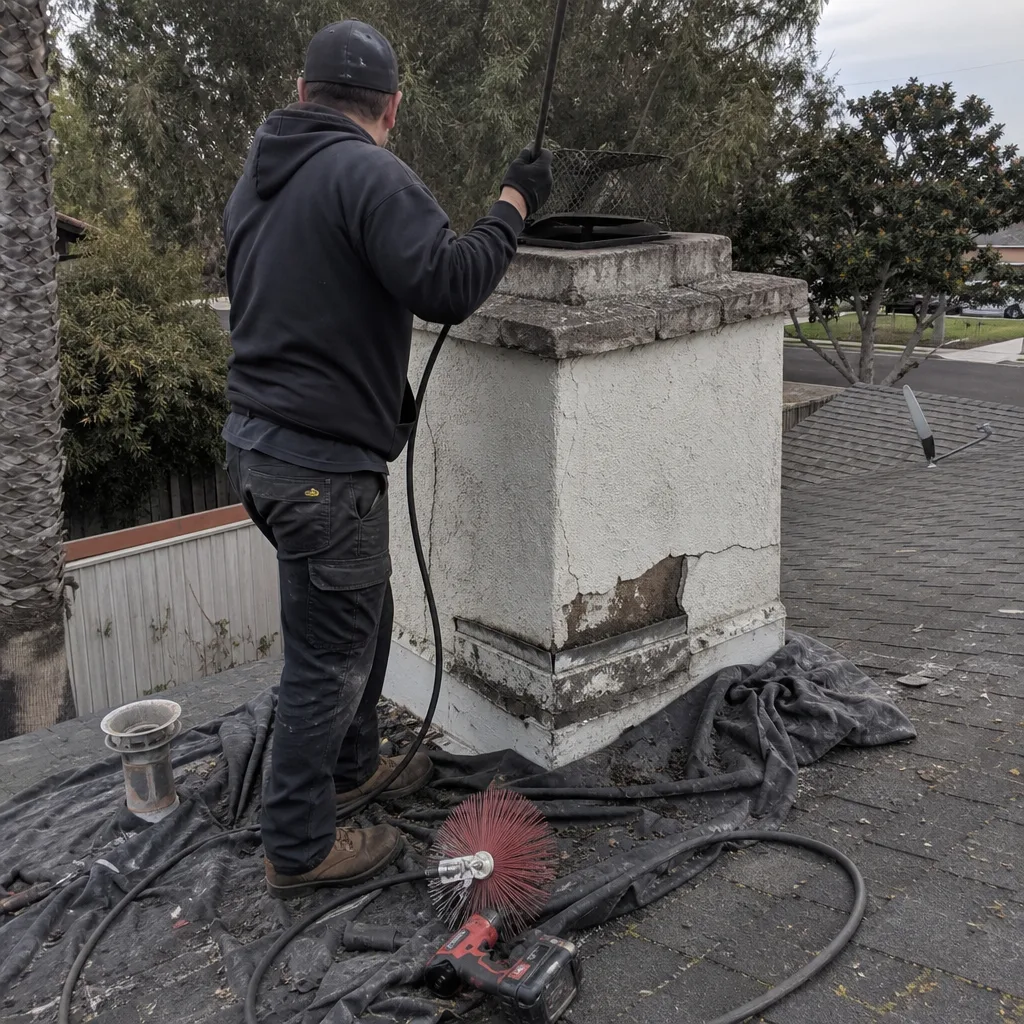 Before
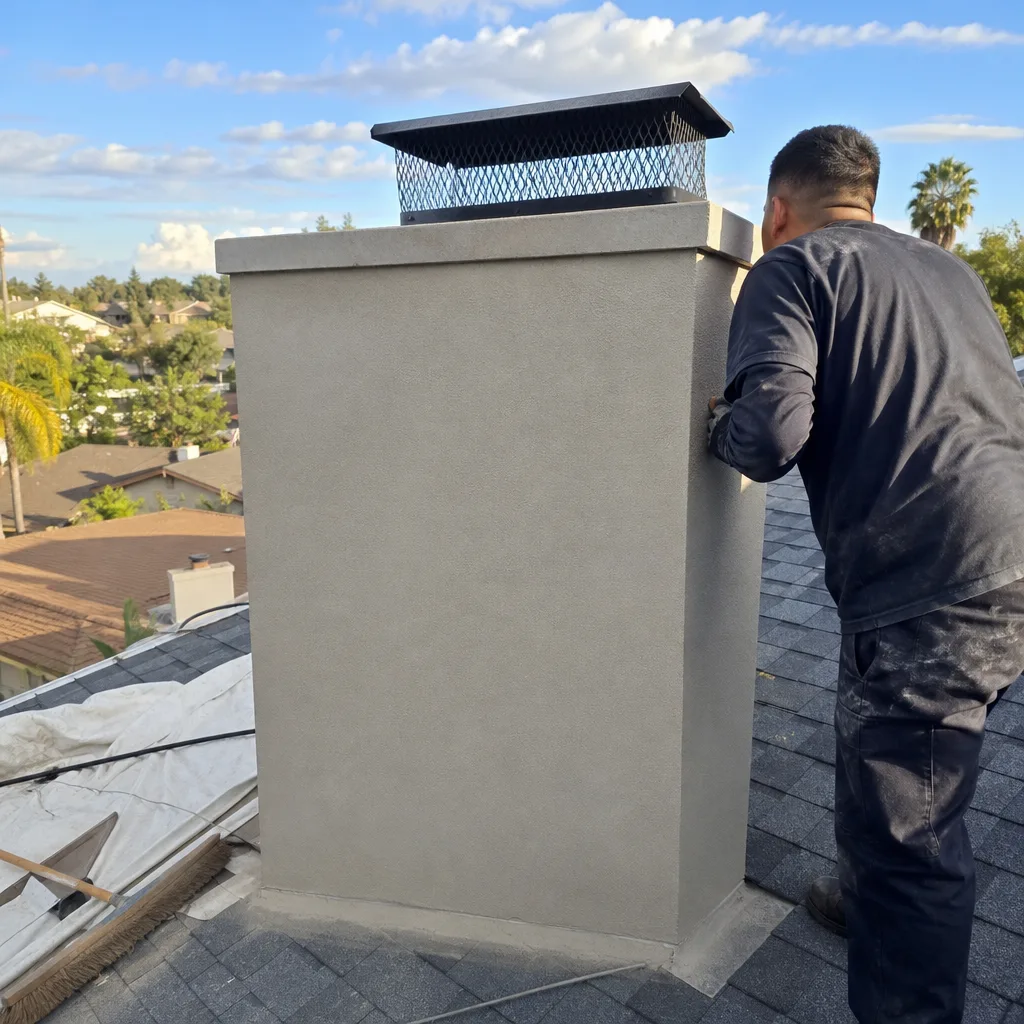 After
After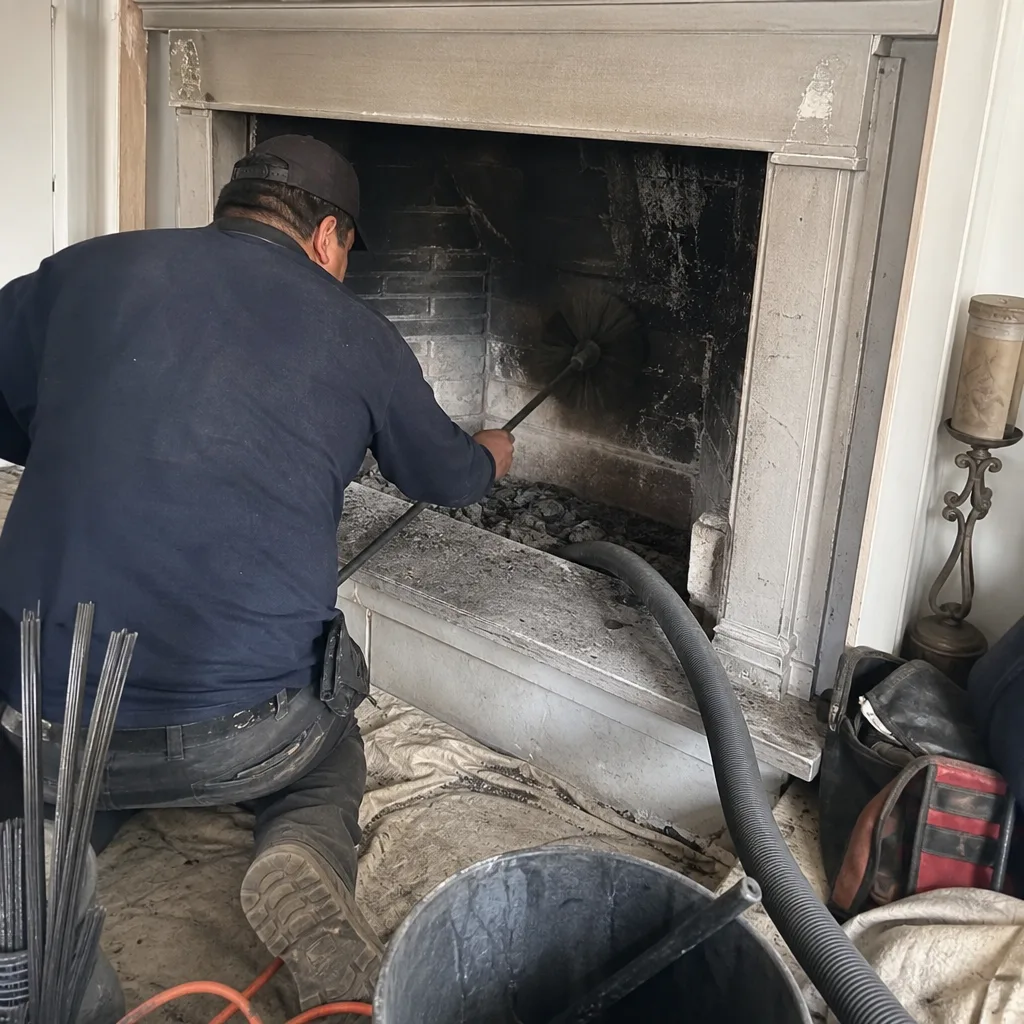 Before
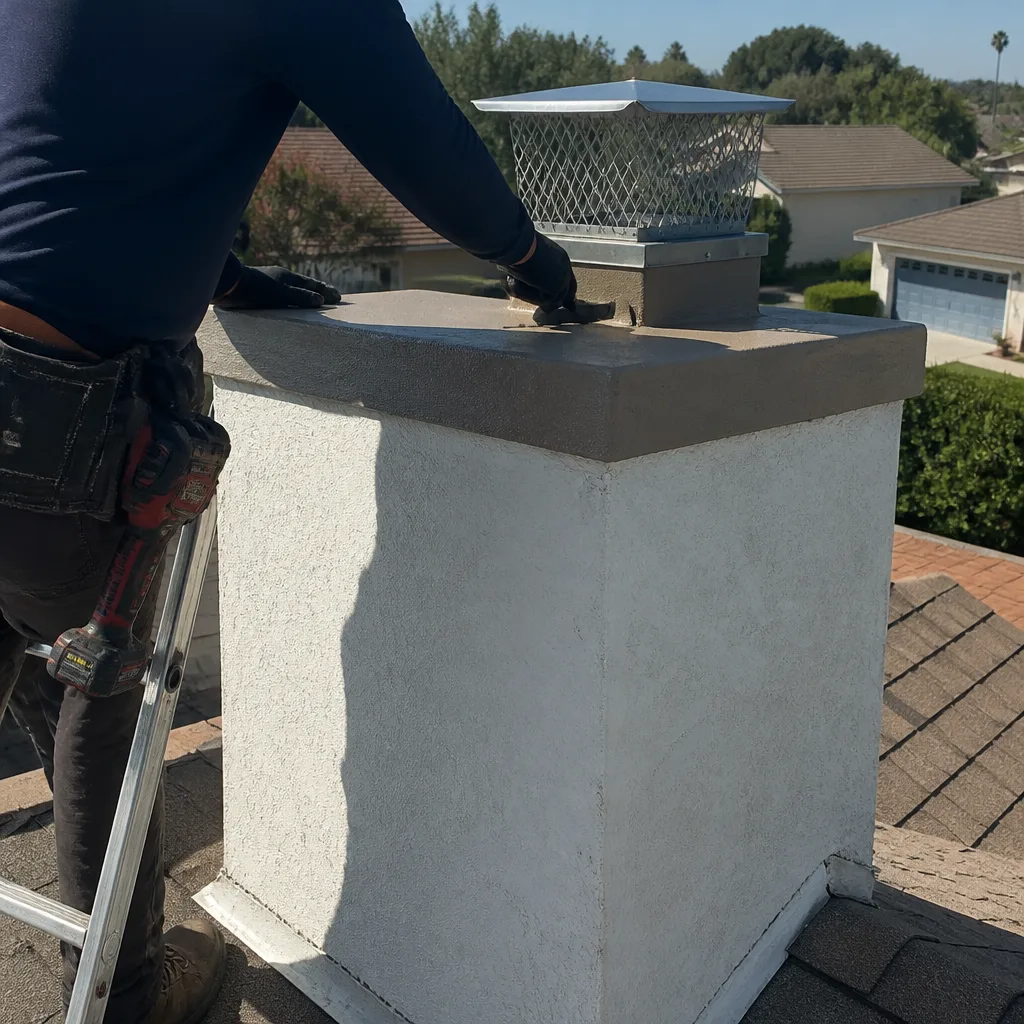 After
After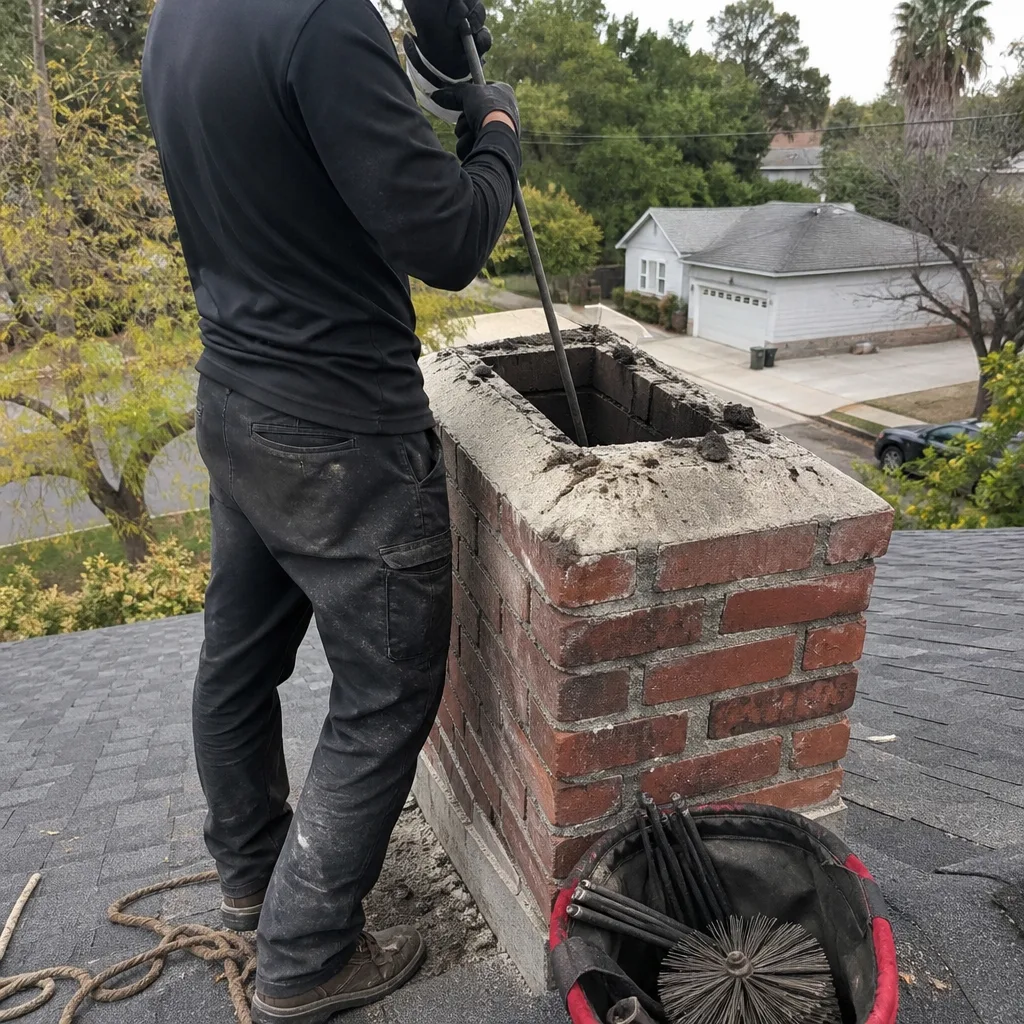 Before
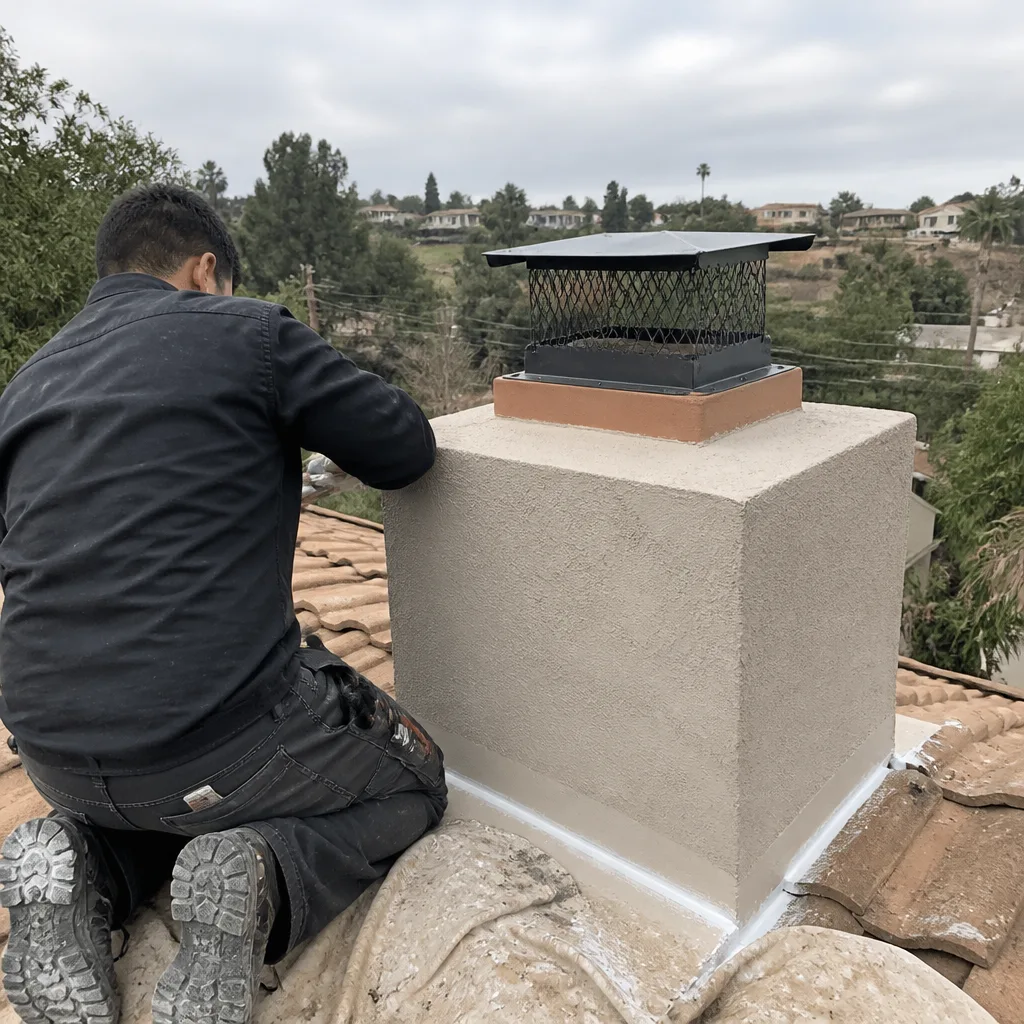 After
After