
Last updated October 15, 2026
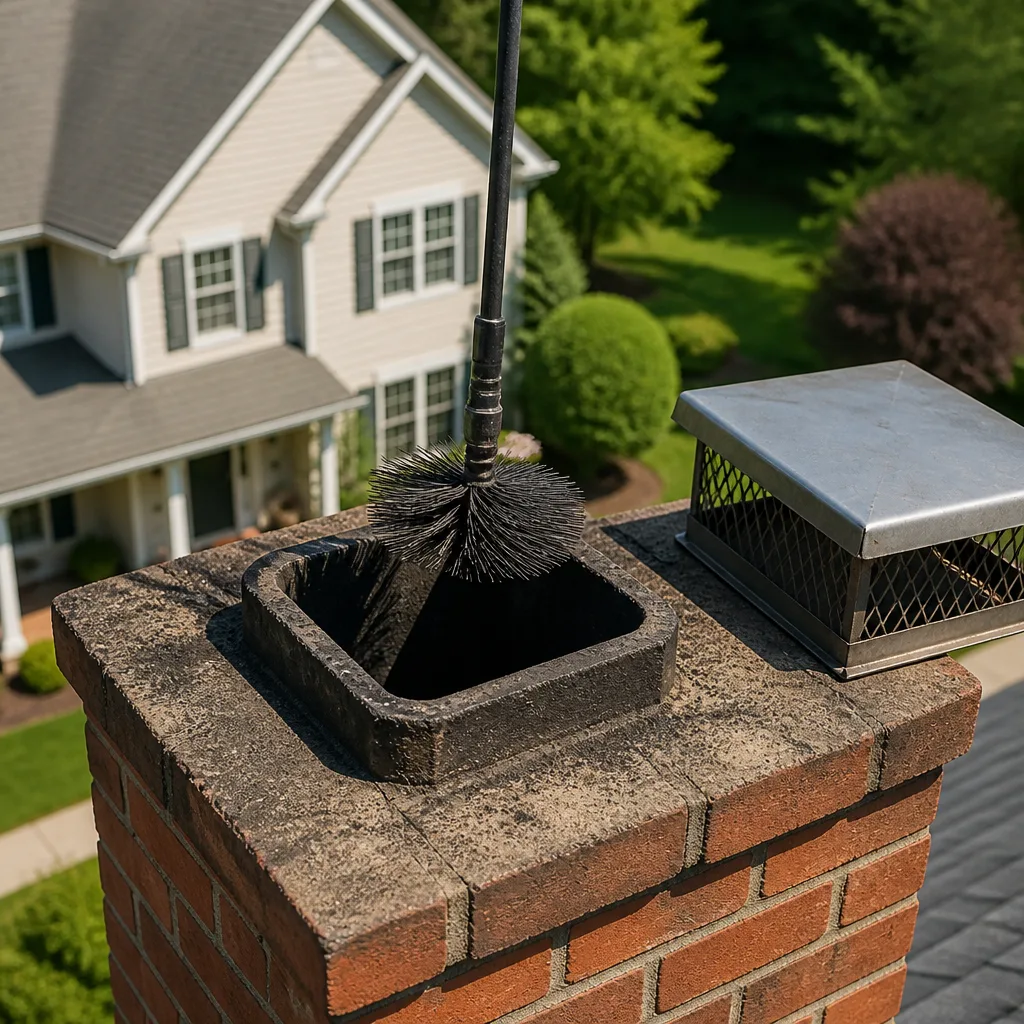 Sweep & inspection
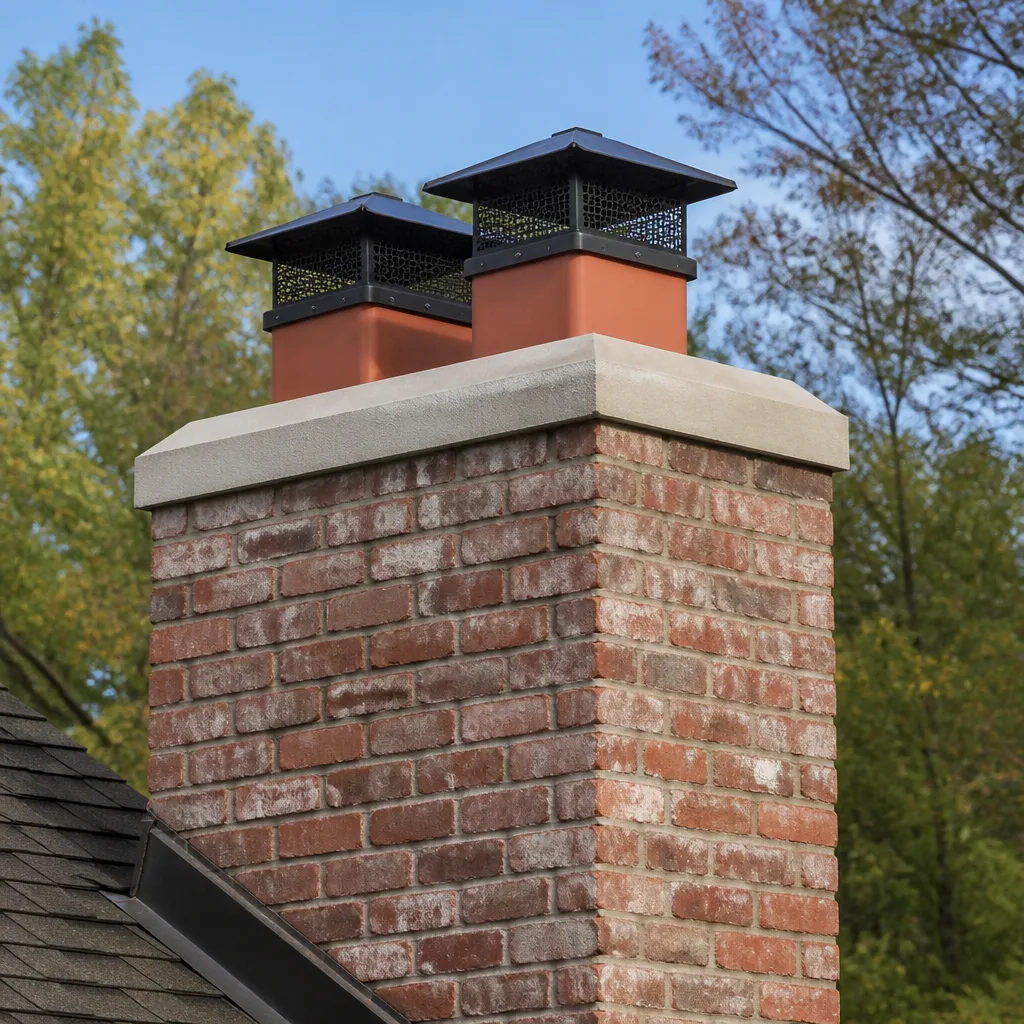 Caps & crowns
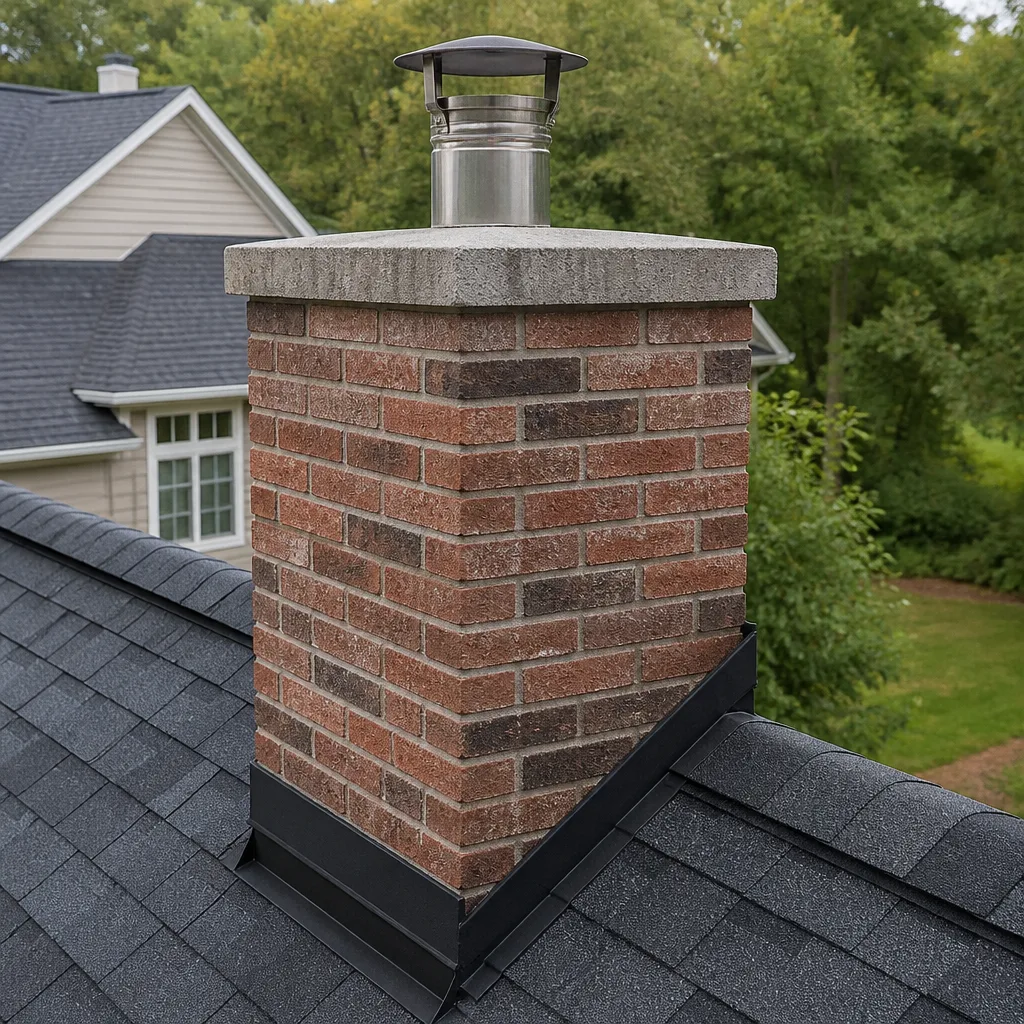 Flue relining
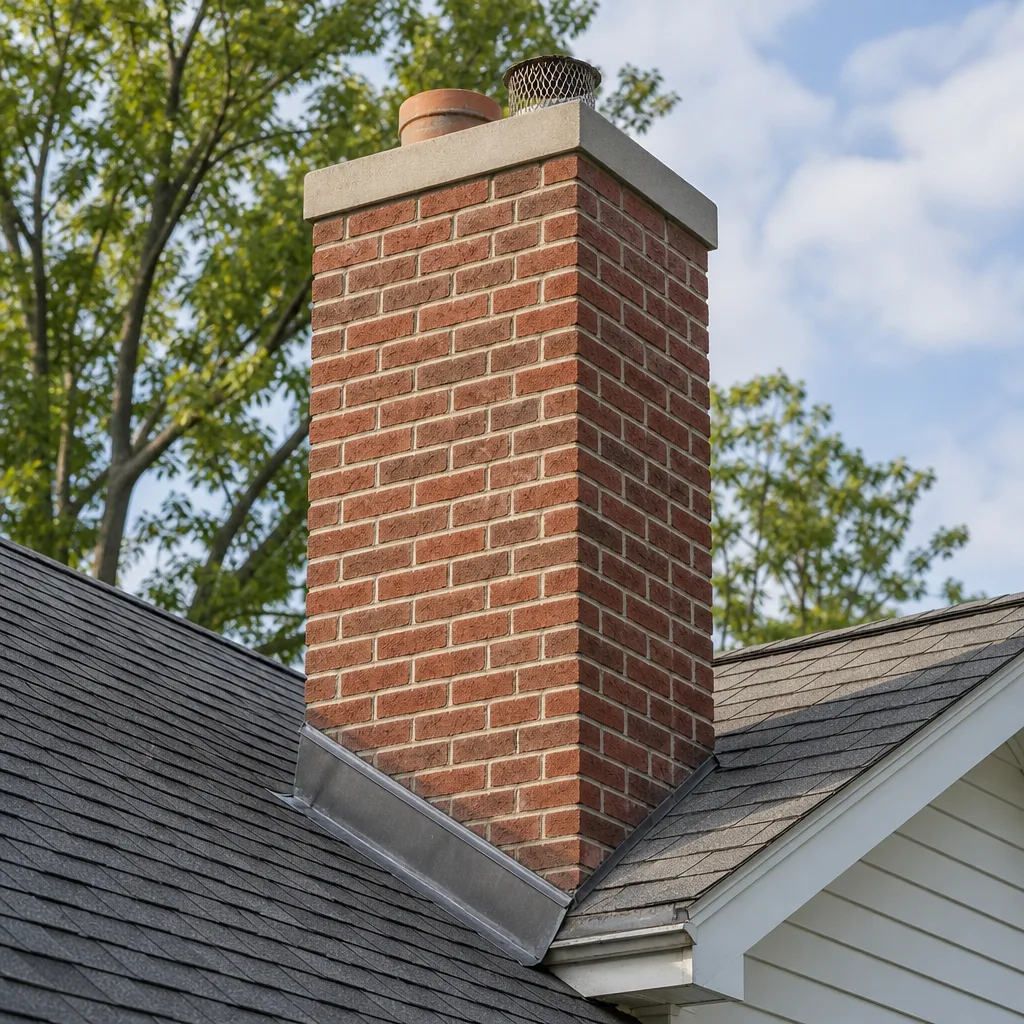 Masonry repair
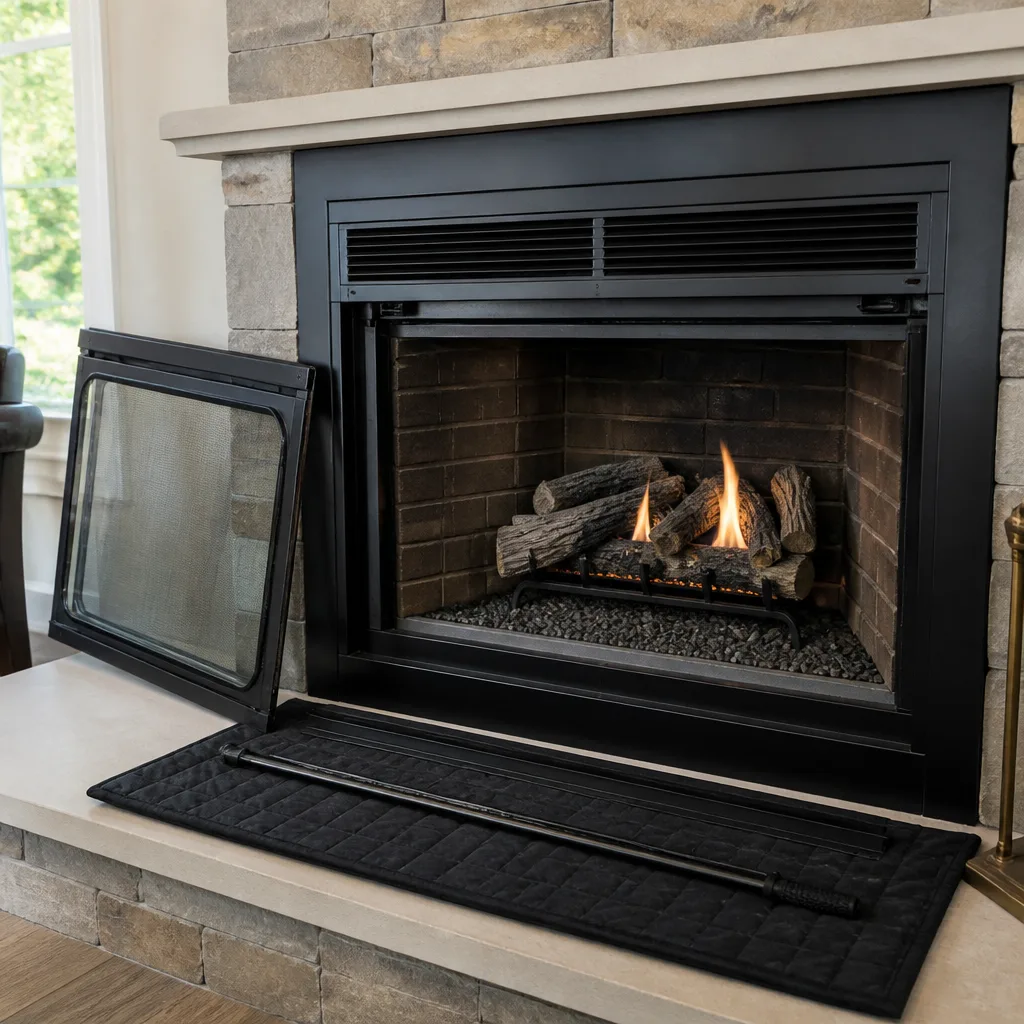 Gas fireplace service
Level 1 sweep and inspection to the NFPA 211 annual standard - flue, crown, cap, and flashing checked and photographed
Chimney sweep logs do not sweep chimneys. They loosen some creosote - which then falls where a brush and vacuum still have to collect it.
Chimney Cleaning Warning Signs: A Orange County Homeowner’s Reference Guide
Most Orange County homeowners have never seen the inside of their chimney, and that’s exactly the problem. A chimney isn’t a set-it-and-forget-it fireplace component; it’s an exhaust system that moves smoke, heat, water vapor, and creosote past the wood framing of your house every time you light a fire. The warning signs that matter aren’t the dramatic ones you’d see in a movie. They’re quiet, observable changes in how your fireplace smells, draws, and drains, and the only way to catch them early is to know what to look for from inside your living room, not from a ladder. This guide will walk you through the signs that Orange County homes actually show, what each one means, and what to do next. For more guides & resources, visit our blog.
Styles & brands we work with
Quick Answer
The most common chimney cleaning warning signs in Orange County are a persistent fireplace odor when the unit is cold, white staining (efflorescence) on the exterior chimney face, smoke that rolls back into the room instead of drawing up, and a visible layer of soot or creosote on the firebox walls. For a full breakdown, see our Complete Guide to Chimney Cleaning in Orange County. If you see any of these, stop using the fireplace and schedule a chimney inspection; most of these signs are caused by either excessive creosote buildup, water intrusion, or a draft blockage, all of which a professional can assess from a single visit. You don’t need to know how to fix it; you just need to catch it early enough that the repair remains small.
Table of Contents
- Fireplace Odors: What You Smell When It’s Cold
- Exterior Signs You Can See From Your Yard
- Smoke Behavior: Is Your Draft Healthy?
- Gas Log Fireplaces: Different Fuel, Different Warnings
- Three-Tier Urgency: Watch, Schedule, or Stop
- What Happens During a Chimney Inspection
- Water Intrusion: The Orange County Climate Factor
- Common Mistakes to Avoid
- When to Call a Professional
- Frequently Asked Questions
- The Bottom Line
Fireplace Odors: What You Smell When It’s Cold
A fireplace should smell neutral when it’s not in use. If you can identify a scent from your firebox without lighting a fire, something has changed inside the chimney system. Different odors point to different problems, and knowing the distinction tells you whether you’re dealing with a cleaning issue, a water leak, or a draft reversal. Orange County’s mild winters mean many fireplaces sit unused for months, so an odor that lingers through spring and summer is often the first sign a homeowner notices.
The smell of a cold fireplace is not normal. Fireplaces are designed to vent upward; when odor travels downward into the living room, your chimney is working in reverse, even if no smoke is visible. Here’s how to read the smell:
- Musty or damp smell: Water is getting into the chimney. This is usually a cracked chimney crown, a failed mortar joint at the top of the chimney, or a rusted-out chase cover. The odor is mold or mildew growing on the creosote that water has soaked. It will be worst in the morning and after rain.
- Asphalt or tar smell: This is creosote in its most volatile form, called third-degree creosote. It’s glazed, shiny, and smells like fresh pavement. It forms when fires burn at low temperatures for long periods, which happens often in Orange County when people use manufactured logs or burn unseasoned wood. Third-degree creosote is the hardest to remove and the most fuel-dense if a chimney fire ever starts.
- Sulfur or rotten egg smell: This is almost always a gas appliance issue, not a wood-burning one. If you have a gas log set, the odor may signal an incomplete burn. If you don’t have gas logs but smell sulfur, check whether a neighboring unit or an attached garage has a gas connection running near the flue chase.
- Smoky or burning smell with no fire lit: The strongest possible indicator of creosote buildup. Fresh creosote releases the smell of last season’s fires, and on a warm day or a windy afternoon, the odor seeps down through the flue and into the room. In Orange County’s coastal and canyon communities, marine layer dampness amplifies this effect.
In our experience, a smoky or musty fireplace smell in a cold fireplace is the top reason Orange County families call Chimney Sweep in Orange County service out to take a look. It’s not a problem you solve by lighting a fire and “burning it off.” That’s how you accelerate the buildup and increase the fire risk.
Exterior Signs You Can See From Your Yard
You don’t need to climb onto your roof to inspect your chimney. Most Orange County homes let you stand in the front or side yard and see the chimney face clearly, and what you’re looking for is visible from the ground. The trick is knowing what’s normal and what’s not. A chimney that’s been rained on for five years will show it.
Walk outside. Stand where you can see the full chimney from the crown down to the roofline, and check for the following:
- White staining running down the brick or stucco (efflorescence): This is not “just mineral deposits.” It’s water that has soaked into the masonry, dissolved the salts inside the brick, and carried them to the surface. Efflorescence means water is moving through your chimney right now, even if it hasn’t rained this week. The water is destroying the mortar from the inside, and you’ll eventually see flaking or spalling brick faces.
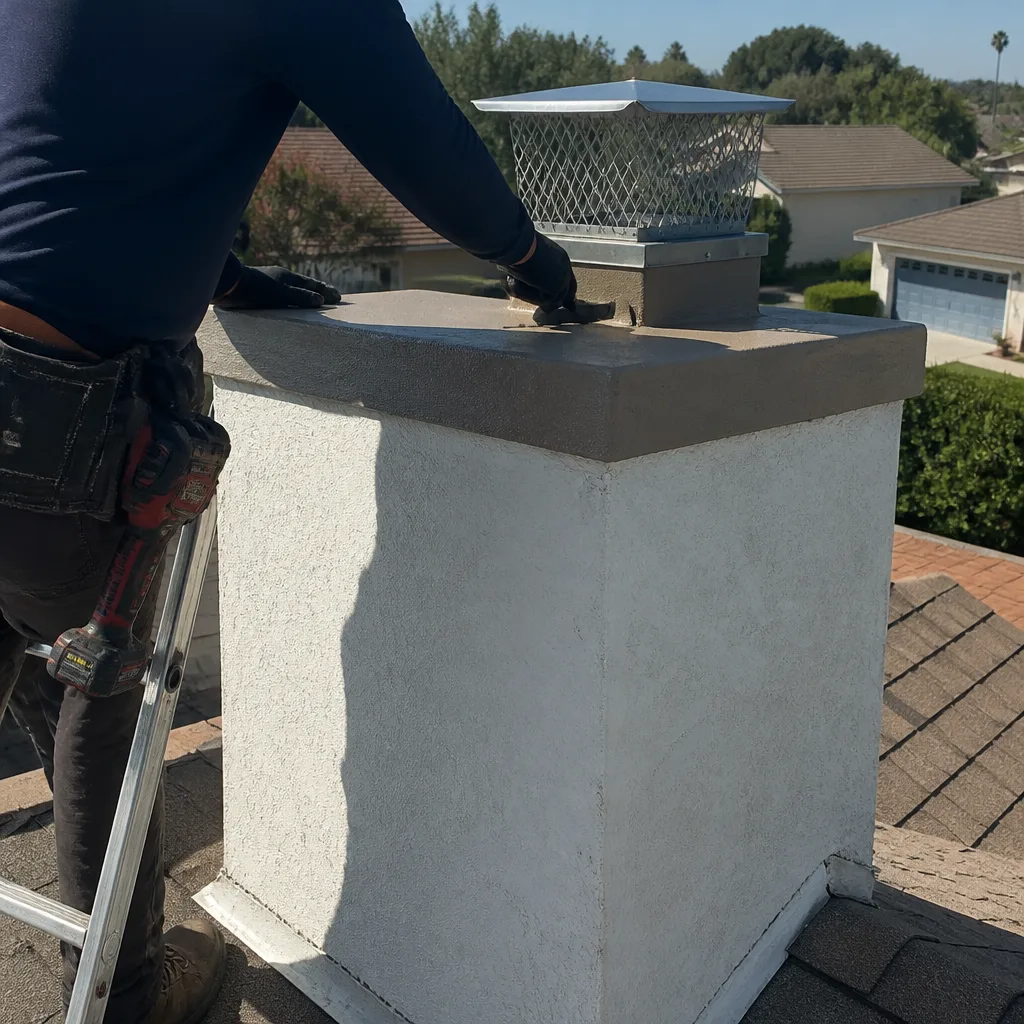
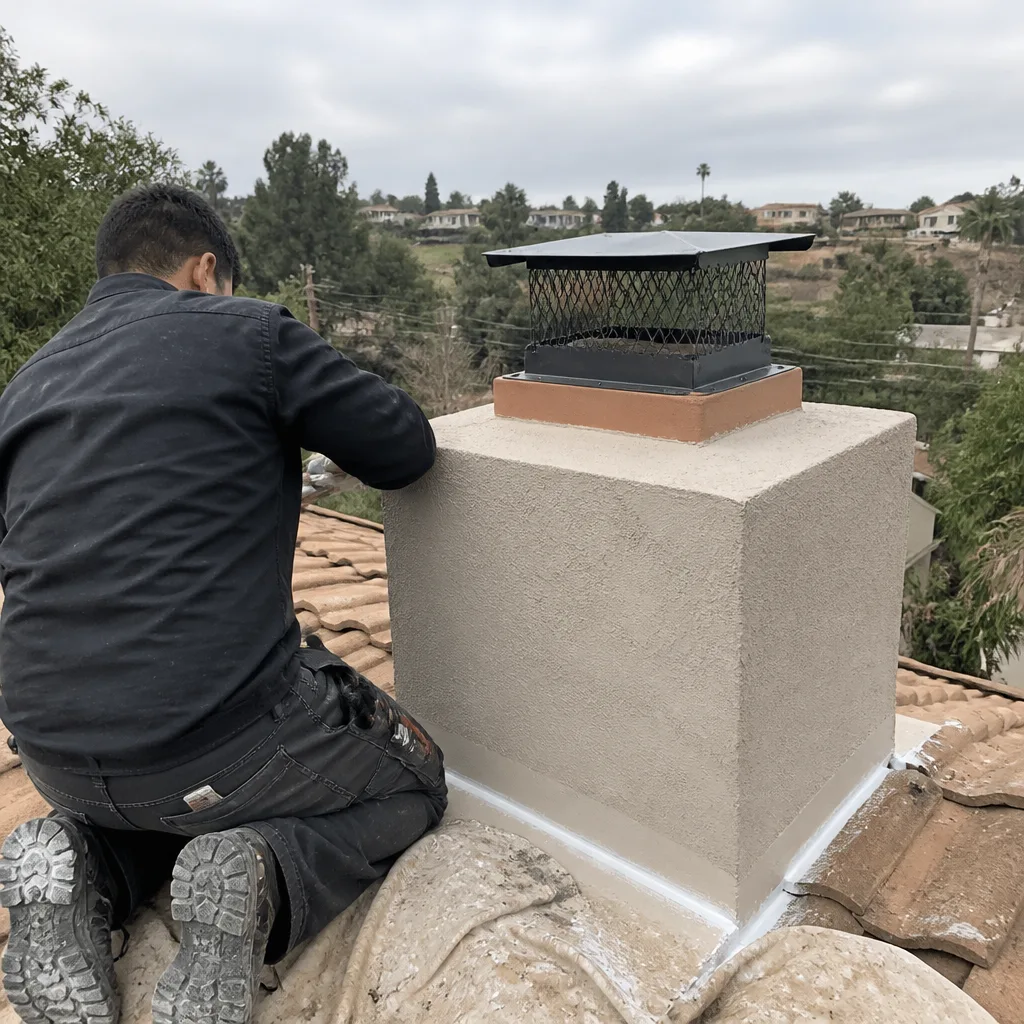
- Cracked or missing chimney crown: The crown is the concrete slab that covers the top of the chimney. It should overhang the brick by at least two inches and have no cracks wider than a pencil line. In Orange County, the sun’s UV plus winter rain cycles open small cracks quickly. Once water finds a crack, it freezes and thaws (yes, even here) and pries the crown apart.
- Rust streaks below the chimney cap: The cap is the metal hood over the flue opening. If water is getting under it or the cap is corroding, rust will run down the masonry with every rain. Rust is a sign that the cap is no longer sealing, and that means rain is falling straight down your flue.
- Missing mortar at the crown joint: The joint where the crown meets the top of the brick is the most common place for mortar to fail. Run your eye along that seam. If you see gaps, vegetation, or dark staining, water is entering there.
- Shaling (pieces of chimney liner in the firebox): If you open your damper and see thin, flaky clay crumbs in the firebox, your clay tile liner is deteriorating. This is an urgent sign. Liner pieces fall inward when the flue walls crack, and a cracked liner can expose combustible framing to fire temperatures.
Orange County homes built before 1990 often have original clay tile liners and unsealed crowns. We see this pattern constantly in older Irvine, Tustin, and Fullerton neighborhoods, where the chimneys are original and never removed during renovations. If your home is older and the chimney has never been camera-inspected, the exterior signs above are your early detection system.
Smoke Behavior: Is Your Draft Healthy?
When a fire burns with a healthy draft, the smoke moves up and out quickly, the flames lean toward the back of the firebox, and the room stays clear. When the draft fails, you’ll see smoke behavior change long before the room fills with haze. Here’s how to read what the smoke is telling you from the moment you light a fire:
- Smoke rollout at the top of the firebox opening when you light the fire: A short, small puff that clears within 30 seconds is normal on a cold chimney. If smoke keeps rolling out and doesn’t pull back, the flue is cold and the warm air from the room is fighting the exhaust, or there’s a partial blockage at the top of the chimney. This is common in Orange County’s newer, tightly sealed homes, where kitchen and bathroom exhaust fans pull air out of the house faster than the chimney can draw.
- Slow draw even after the fire is hot: This points to a structural problem. It could be a partially collapsed flue, an animal nest, a closed damper that isn’t opening fully, or a flue that’s too large for the firebox, so the smoke cools before it exits and falls back down. Orange County homes with original open-hearth fireplaces and a modern insert or gas log set often have mismatched flue sizing.
- Backdraft (smoke comes down the chimney when the fire is off): When the house is colder than the outdoor air, the chimney becomes a cold-air intake. Air sinks down the flue, bringing fireplace smell and sometimes visible soot with it. This is worse in summer in Orange County, when air conditioning runs and outdoor air is hot. A top-sealing damper solves most of these cases.
If you want to test your draft, light a small piece of newspaper and hold it at the firebox opening. If the smoke pulls up cleanly, drafts are working. If it wavers, pushes out, or falls into the room, you’ve identified a draft issue that a Chimney Inspection in Orange County can isolate quickly. The fix might be a cleaning, a damper adjustment, or a liner repair, but the first step is confirming where the smoke is actually going.
Gas Log Fireplaces: Different Fuel, Different Warnings
Gas log sets don’t produce creosote, so the warning signs for a gas fireplace look nothing like the ones for a wood-burning unit. Homeowners who make the switch assume the chimney no longer needs maintenance, and that’s where Orange County fireplace issues often hide. A gas fireplace still vents combustion byproducts through a flue, and that flue still needs to be sound. Here’s what gas log owners should watch for:
- Soot building up on the logs: Gas logs burn clean when the air-to-fuel ratio is correct. If you see black soot accumulating on the ceramic logs or the burner, the fuel pressure is wrong, the burner ports are partially clogged, or the log set is positioned incorrectly and the flame is impinging on the surface. This creates carbon monoxide (CO) risk, not just a dirty look.
- Yellow flames instead of blue flames: A healthy gas log flame burns blue at the base with lighter tips. A mostly yellow or orange flame means incomplete combustion. If the flames are tall, lazy, and yellow, call a technician before the next use.
- Corrosion on the gas valve or burner pan: Orange County’s coastal humidity and salt air (in beach-adjacent communities like Huntington Beach, Newport Beach, and Laguna) accelerates rust on gas fireplace components. If you see white or green crust on the gas valve, shut off the unit and don’t operate it until it’s inspected.
- Condensation on the glass or walls near the fireplace: Gas combustion produces water vapor. If that vapor is condensing inside the house instead of venting out the chimney, the flue is not moving enough air. On cooler Orange County mornings, this shows up as a fogged fireplace glass or moisture beading on the mantel.
A gas log set that has never been serviced in a decade is a common Orange County condition we encounter. The logs look fine, the flame looks fine, but the venting system has quietly degraded. If you have a gas log fireplace and haven’t had the flue inspected in the last two years, this is the section that applies to you. A gas fireplace is a combustion appliance; the same care logic applies as for a furnace or water heater.
Three-Tier Urgency: Watch, Schedule, or Stop
Not every chimney warning sign requires an emergency call. Some signs mean “make a note and check again next month.” Others mean “stop using this fireplace tomorrow.” Knowing the difference keeps you safe without overreacting, and it also keeps you from ignoring a real problem because you’re not sure how serious it is.
Tier 1: Monitor It Yourself
- Faint smoke smell on a windy day, no visible staining anywhere.
- Small hairline crack in the chimney crown that stays dry in the rain.
- Minor rust on the outside of the chimney cap, with no rust inside the flue.
- Slow draft on a cold start that resolves once the fire is hot and established.
If a sign is in this tier, take a photo, write down the date, and re-check it in four to six weeks. If it’s stable and hasn’t worsened, you can wait until your next scheduled cleaning. If it changes, move it up a tier.
Tier 2: Schedule a Cleaning Soon
- Musty smell from the fireplace that returns every time the weather is damp.
- White efflorescence staining on less than 25% of the chimney face.
- Visible soot layer on the firebox walls thicker than a millimeter.
- Smoke rollout that lasts more than a minute on cold starts.
- Gas log soot that started recently and has not existed before.
These signs don’t require you to stop using the fireplace tonight, but they won’t resolve on their own, and every fire you light while the condition exists makes the eventual repair slightly larger. Book a Fireplace Repair in Orange County visit when you’re ready; nothing in Tier 2 is a five-alarm situation.
Tier 3: Stop Using the Fireplace and Call Today
- Shaling: pieces of flue liner falling into the firebox.
- Sulfur or rotten egg odor coming from the fireplace area.
- Rust streaks running down the interior chimney face, not just the outside cap.
- Visible cracks through the firebrick that let daylight or ash settle through.
- A chimney fire that occurred in the past and was never professionally inspected afterward.
- Smoke backdrafting into the house while the fire is burning hot.
If anything in Tier 3 applies to you, do not light another fire. The risk isn’t hypothetical at that point; it’s a clear structural or combustion safety issue. Kindling Chimney Orange County offers free estimates in Orange County, and our team will take a Tier 3 call seriously. Call (831) 217-7981 and describe what you saw; we’ll advise you over the phone before we even book the visit.
What Happens During a Chimney Inspection
The reason we recommend a camera inspection for any warning sign above is simple: you cannot see the throat of the flue, the smoke shelf, the damper seat, or the interior liner from the firebox. You can look up, see maybe four feet of black flue, and make assumptions. Those assumptions are where expensive surprises come from. A camera inspection removes the guesswork, and it gives you a visual record of the chimney’s condition that you can compare year-over-year.
Here’s the step-by-step process our team follows on a typical warning-sign inspection in Orange County:
- We put down shoe covers and drop cloths before any equipment comes into the house. Nothing gets moved without asking; that’s part of the Cedarwell Care Promise, and it’s non-negotiable on every visit.
- We run a chimney camera up the flue from the firebox or the top, checking the liner, mortar joints, damper, and smoke chamber for cracks, gaps, blockages, and creosote stage. You see the screen same time we do, and we point out what’s normal and what’s not.
- We assess the exterior crown, cap, and flashing from the roof access point or ladder, photographing anything that explains what you saw from the ground.
- We write down the findings clearly, including a plain-English assessment: what’s safe, what can wait, and what needs repair now. The written price for any recommended work comes before anything is scheduled, with no on-the-spot pressure.
- We clean up fully before leaving. You get a photo of the cleaned area before we go.
Every inspection we do is backed by the 365-Day Done Right Promise: if the work isn’t right, we make it right. That includes the inspection itself. If we miss something that a follow-up inspection catches within a year, we own it and fix it. No fine print, no runaround.
Water Intrusion: The Orange County Climate Factor
Orange County has a specific climate pattern that makes water intrusion into chimneys more aggressive than homeowners expect. It’s not just the winter rain. It’s the combination of rain, wind-driven coastal moisture, and the daily temperature swings between inland valleys and the ocean. A chimney in Orange County endures expansion and contraction cycles every single day, even when it hasn’t rained in months.
Here’s what we see most often in Orange County specifically:
- Santa Ana wind driven rain: When Santa Anas gust from the east, they push rain horizontally against chimney faces that were built for vertical rain. The windward side of the chimney takes the brunt, and water finds entry through cracked mortar faster than on a calm-rain chimney.
- Coastal salt air: In areas along the coast from Seal Beach down to San Clemente, salt in the air accelerates corrosion of chimney caps, chase covers, and damper hardware. Metal components that would last 20 years inland fail in 8 to 10 years here.
- UV exposure on crown sealant: The same sun that keeps Orange County fireplaces unused for months also bakes chimney crown sealant until it cracks. We see crown failures on every style of home from stucco ranch to Spanish revival, and they all fail the same way: small crack, water enters, crack expands, freeze-thaw works the gap, repeat.
Water intrusion is the single most common repair we perform in Orange County homes. It is almost always fixable with a crown repair, a new cap, or a flashing repair. The cost to fix it early is a few hundred dollars; the cost to wait until the liner has degraded or the firebox has soaked through is several times that. If you see any of the water signs in this guide, don’t wait; a chimney is not something that heals itself.
Common Mistakes to Avoid
- Assuming “we just had it cleaned” means the chimney is safe: A sweep removes creosote. It doesn’t inspect liner integrity, crown condition, or cap sealing. Those are separate service items, and if the sweep was done by a general handyman rather than a chimney-specific technician, it may not have included any structural observation at all.
- Following DIY YouTube chimney cleaning videos: Creosote removal with a wire brush from inside the firebox without proper containment releases soot and creosote dust directly into your living space, where children and pets breathe it. It also doesn’t remove the glazed third-degree creosote that matters most.
- Lighting a “hot fire” to burn off creosote: This is the equivalent of cleaning your oven by setting it to self-clean and hoping for the best. A hot fire can ignite the creosote and cause a chimney fire, and Orange County fire departments respond to these calls every winter.
- Paying for a liner replacement without seeing the camera footage: You should never be asked to approve a multi-thousand dollar liner replacement on the say-so of a technician who “looked up and saw damage.” Camera evidence should be shown to you before any quote. If a company won’t show you, find a different company. Our team at Kindling Chimney Orange County will never recommend liner work without camera images you can see and keep.
- Ignoring a faint smell because the fireplace “works fine”: A working fireplace and a safe fireplace are not the same condition. Many Orange County homes with structural chimney damage burn fine for years, right up until they don’t.
- Caulking cracks in the chimney crown with homeowner caulk: Standard silicone caulk expands and contracts at a different rate than concrete crown material. It will fail within one season and leave the crack worse than before. Crown repair uses specific crown sealant or a rebuilt concrete crown, not a tube from the hardware store.
When to Call a Professional
Any Tier 2 or Tier 3 sign on the urgency list above justifies a professional inspection. You should also call if you’ve never had a camera inspection done on a chimney that was built before 2000, if you just bought a home with an existing fireplace, or if the fireplace was converted from wood to gas without a documented flue inspection. If you smell sulfur, see shaling, or experience smoke backdraft into the house, stop using the fireplace today and call before you light another fire.
Kindling Chimney Orange County offers free estimates throughout Orange County. A live person answers when you call (831) 217-7981, twenty-four hours a day, seven days a week. Tell us what you’re seeing or smelling, and we’ll help you figure out the right next step over the phone before any appointment is booked.
Frequently Asked Questions
A standard chimney sweep in Orange County typically runs between $180 and $350 for a single-flue open fireplace, and $250 to $450 if the chimney has not been serviced in years and requires heavy creosote removal or a camera inspection add-on. If you have a gas log set, expect to pay $150 to $300 for the sweep plus the gas log inspection. The exact cost depends on creosote stage, flue height, and whether a damper repair or cap replacement is recommended. Call (831) 217-7981 for a written quote before any work is booked; our estimates are free and the price you’re quoted is the price you pay.
Cleaning addresses creosote buildup; relining addresses the structural integrity of the flue itself. If the camera inspection shows creosote accumulation but the clay tiles are intact and the mortar joints are sound, you need a cleaning. If the camera shows cracked or missing flue tiles, gaps in the mortar joints, or liner material that has separated from the chimney walls, you need a liner repair or replacement. We always show you the camera footage before recommending liner work, and we’ll tell you plainly if the chimney can wait or if the repair should happen now.
Gas log fireplaces don’t produce creosote, but they do produce soot when the burner is misadjusted or the logs are positioned wrong, and that soot can clog the flue just like creosote does. The flue still needs to vent combustion gases safely, and the gas valves and connectors should be inspected for corrosion. In Orange County’s coastal air, gas fireplace components rust faster than they do inland, and a gas log set that has never been serviced is a genuine carbon monoxide concern.
Skipped cleanings allow creosote to build up until it becomes a chimney fire fuel source, and a chimney fire can reach 2,000°F inside the flue, enough to crack clay liner tiles and spread into the home’s framing. Even without a chimney fire, thick creosote restricts your draft, pushes smoke into the house, and accelerates water damage because creosote absorbs and holds moisture against the liner. The cost of cleaning is a fraction of the cost of repairing fire or water damage.
The National Fire Protection Association standard says to inspect chimneys annually and sweep when creosote is 1/8 inch thick or more. In Orange County, where many fireplaces are used seasonally and lightly, most single-family homes need a sweep every one to three years. If you burn unseasoned wood, use the fireplace as primary heating in an inland canyon community, or burn a lot of manufactured logs, you may need more frequent cleanings. Our team can tell you your specific interval after one camera inspection.
Not always. A musty chimney smell typically means water is entering the flue and saturating the creosote. A smoky smell means creosote buildup or a draft reversal. But a leak is the most common cause of a persistent damp odor, especially after rain, and it should not be ignored. In Orange County, the combination of winter rains, Santa Ana wind-driven moisture, and coastal salt air makes water intrusion the leading cause of chimney odor complaints we receive. A call to (831) 217-7981 will get you a straight answer.
The Bottom Line
Chimney warning signs in Orange County are observable from inside and outside the home, and none of them require you to be a chimney expert to understand. The four big ones are cold-fireplace odors, water staining on the chimney face, smoke that doesn’t draw cleanly, and gas log soot or flame issues. Each sign has a tier of urgency: watch it, schedule a cleaning, or stop using the fireplace today. The homeowners who avoid expensive chimney repairs aren’t the ones with the newest homes; they’re the ones who noticed a small sign early and made a phone call. If you’re seeing or smelling something that didn’t used to be there, you’ve already done the hard part. Now it’s our turn to figure out what it means.
Written by Danny Cortes, Owner at Kindling Chimney Orange County, serving Orange County since 2003.
See the difference
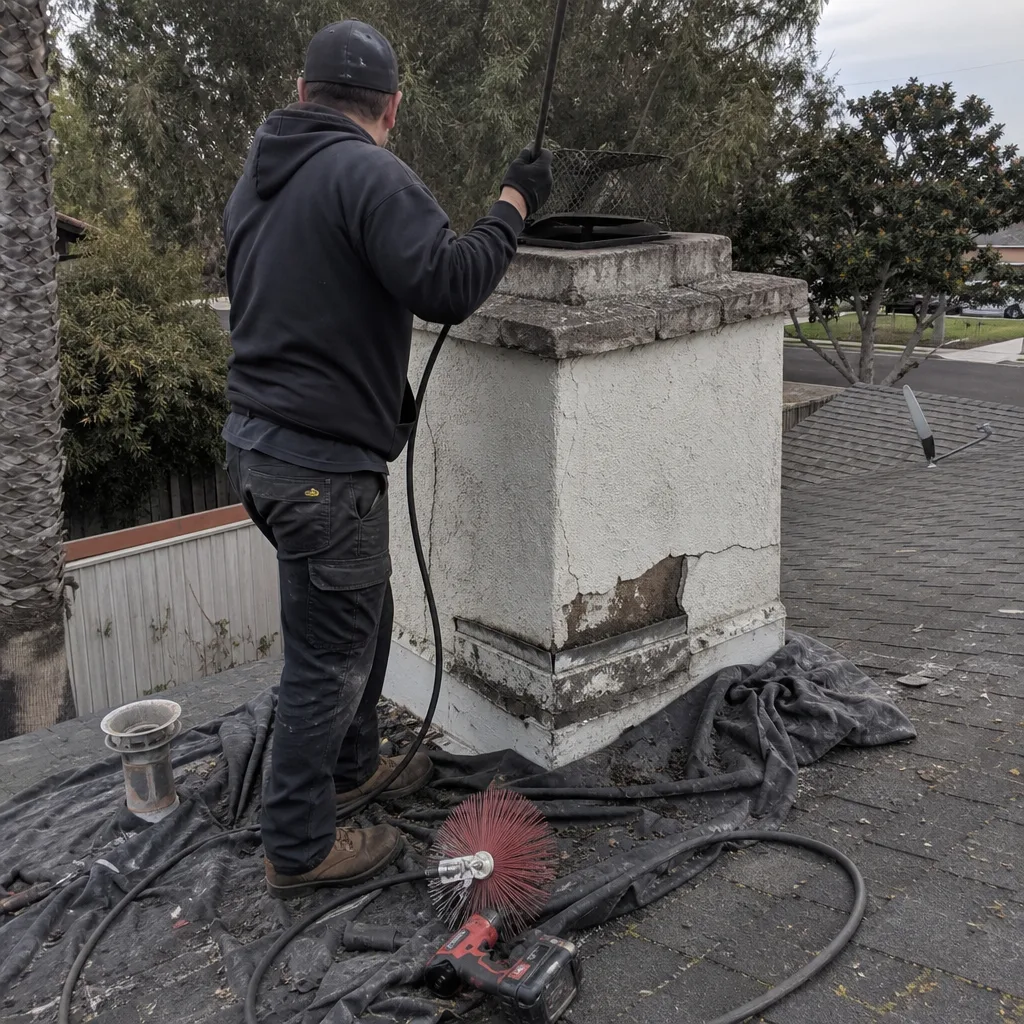 Before
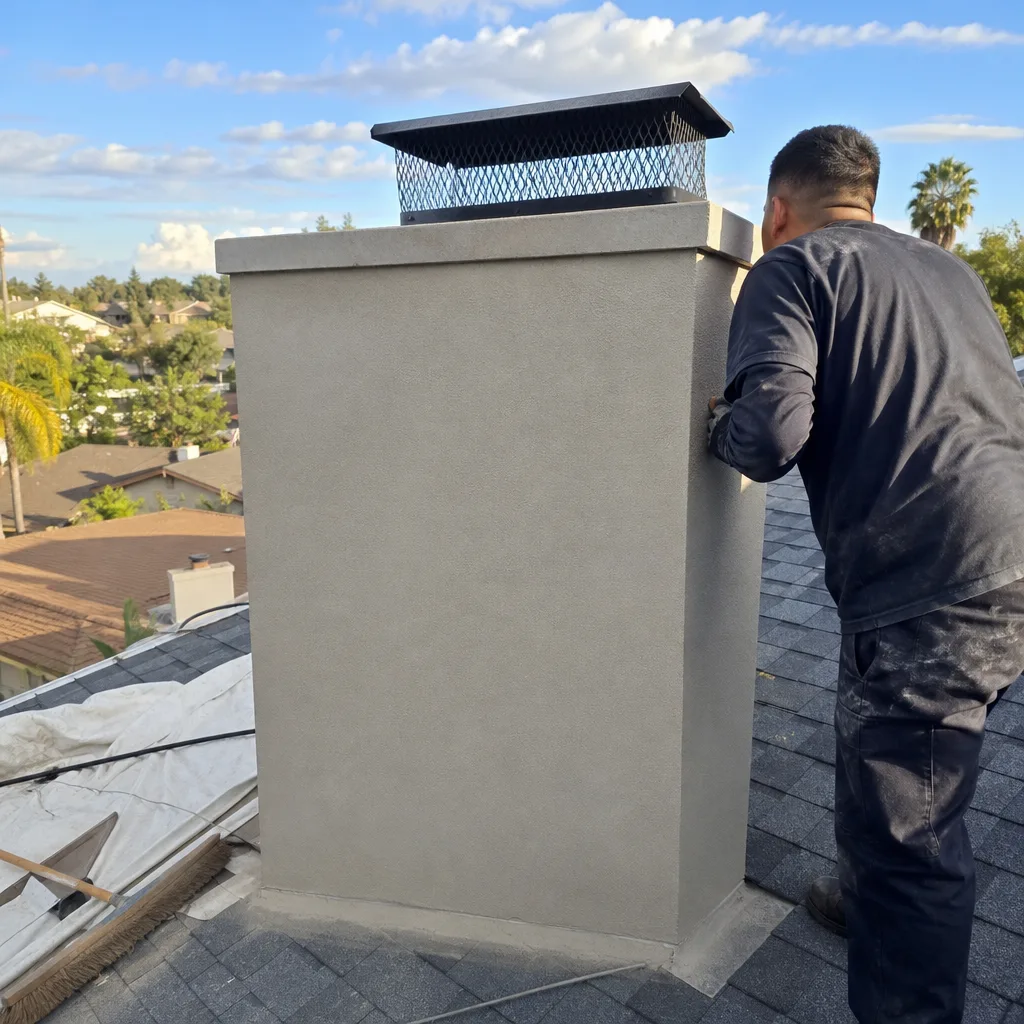 After
After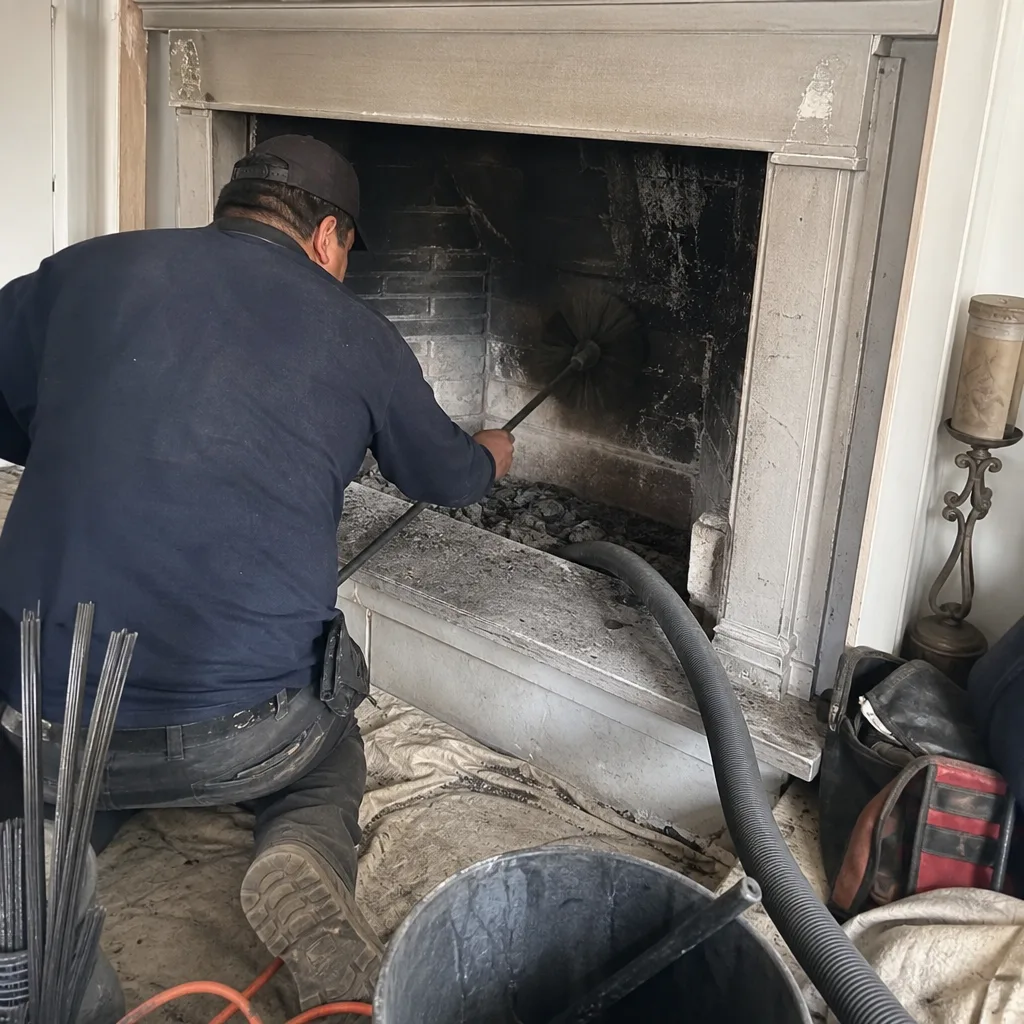 Before
 After
After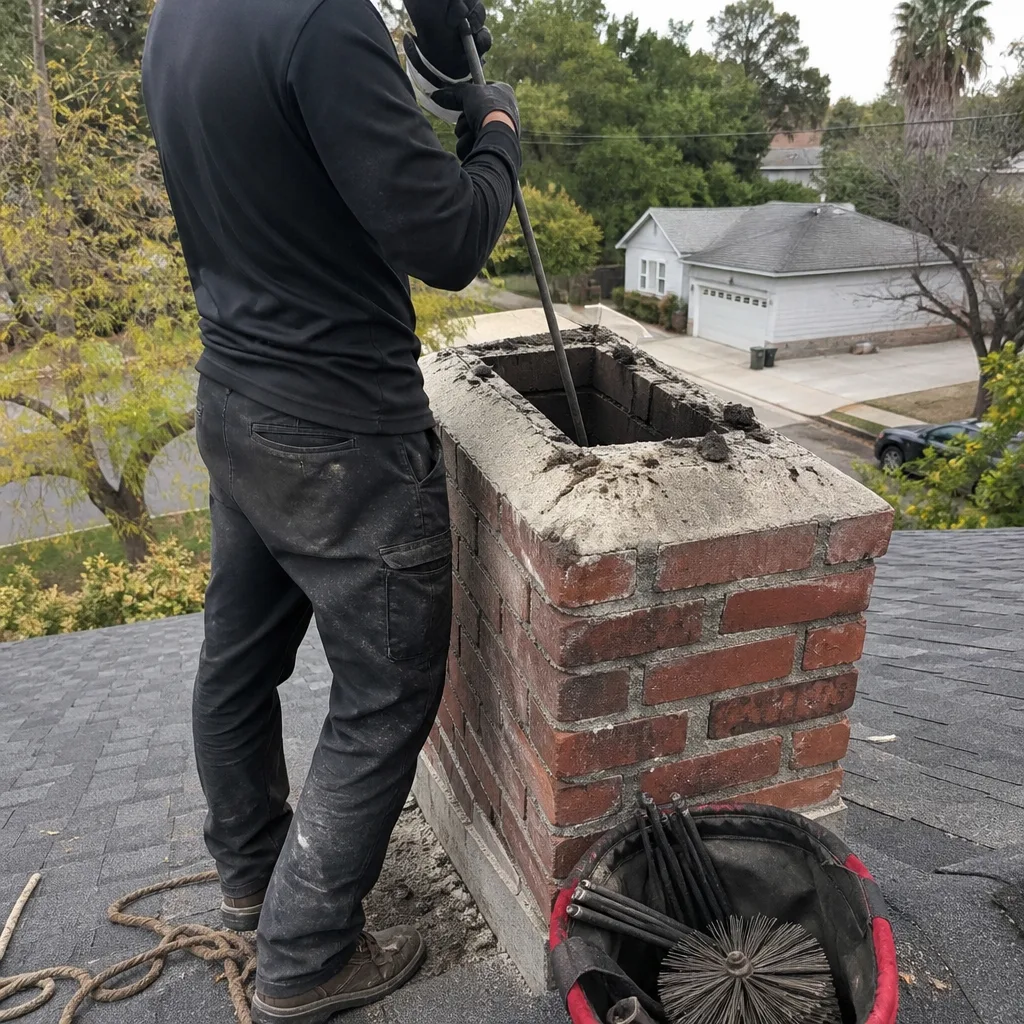 Before
 After
After